


Skincare tips for beginners are the single most valuable starting point for anyone overwhelmed by the thousands of products, routines, and conflicting advice flooding social media feeds. The global skincare market reached an estimated $159.86 billion in 2025 and is projected to grow to $231.31 billion by 2032, according to MMR Statistics. That explosive growth means more choices than ever, but it also means more confusion.
A 2025 survey found that 89% of U.S. adults purchase skincare products, yet only 46% actually follow a daily routine, according to Tricoci University. That gap tells a clear story: people want better skin, but most do not know where to start. This guide strips away the noise and gives you a practical, evidence-based framework for building your first effective routine.
Table of Contents

Why a Basic Routine Matters More Than a Complex One
Dermatologists across the industry are now actively warning against “skincare overload,” a problem fueled by viral TikTok routines and the excessive layering of active ingredients. A Northwestern University study found that the top-viewed teen skincare videos on TikTok contained an average of 11 potentially irritating active ingredients per routine. Researchers warned that overuse can lead to barrier disruption, increased sun sensitivity, and even lifelong allergic contact dermatitis.
The trend of “skinimalism” reflects what board-certified dermatologists have long recommended: a focused, minimal routine built around three essentials a gentle cleanser, a moisturizer, and a broad-spectrum sunscreen. Keeping things simple protects your skin barrier, saves money, and reduces the risk of irritation from unnecessary product interactions.
Know Your Skin Type Before Buying a Single Product
Every effective routine begins with understanding your skin type. Using products designed for oily skin on a dry complexion, or vice versa, can trigger breakouts, flaking, or sensitivity. Before spending money on any product, take a few days to observe how your skin behaves naturally.
How to Identify Your Skin Type at Home
Wash your face with a gentle cleanser, pat it dry, and wait 60 minutes without applying any products. After the hour, examine your T-zone (forehead, nose, and chin) and your cheeks. If your entire face feels tight and flaky, you likely have dry skin. If your T-zone is shiny but your cheeks feel normal, you have combination skin.
An oily skin type will show visible shine across the entire face, while sensitive skin may appear red, itchy, or reactive even after using mild products. Knowing this single piece of information will save you from wasting money on products that work against your natural biology.
The Three Non-Negotiable Steps Every Beginner Needs
A beginner routine does not need seven steps. It needs three done consistently. The American Academy of Dermatology emphasizes cleansing, moisturizing, and sun protection as the foundational pillars of any regimen. A study published in PubMed Central found statistically significant gaps in how people follow these basic AAD recommendations, particularly among men, suggesting that even these core steps are often neglected.
Cleansing The Foundation of Healthy Skin
Cleansing twice daily morning and evening removes dirt, oil, pollution residue, and makeup that accumulate on your skin throughout the day. Choose a non-foaming or low-foam cleanser if you have dry or sensitive skin, or a gel-based formula if your skin tends to be oily.
Avoid cleansers with sulfates like sodium lauryl sulfate, which strip natural oils and damage the moisture barrier. A practical example: CeraVe Hydrating Cleanser and La Roche-Posay Toleriane are two dermatologist-recommended options that clean effectively without over-drying.
Moisturizing Lock in Hydration Every Day
Facial moisturizers are the most commonly used product in daily routines, with roughly 70% of consumers incorporating them, according to Market.us research. This popularity is well-earned. Moisturizers replenish your skin’s hydration, strengthen the protective barrier, and prevent transepidermal water loss.
Look for formulas containing hyaluronic acid, ceramides, or glycerin. If your skin is oily, choose a lightweight gel moisturizer rather than a heavy cream. Apply immediately after cleansing while your skin is still slightly damp to maximize absorption.
Sunscreen Your Best Anti-Aging Investment
Ultraviolet radiation is responsible for up to 80% of visible facial aging, including wrinkles, dark spots, and loss of elasticity. Despite this, only 59% of consumers use sunscreen regularly. Daily application of a broad-spectrum SPF 30 or higher is the single most effective step you can take to prevent premature aging and reduce skin cancer risk.
Apply sunscreen as the last step in your morning routine, even on cloudy days or when staying indoors near windows. Reapply every two hours if you are outdoors. Mineral sunscreens with zinc oxide are ideal for sensitive skin, while chemical sunscreens offer a lighter, more cosmetically elegant finish.
When and How to Add Exfoliation Safely
Exfoliation accelerates the removal of dead skin cells, revealing brighter and smoother skin underneath. However, beginners frequently make the mistake of exfoliating too aggressively or too often, which damages the skin barrier and causes inflammation.
Start with a mild chemical exfoliant rather than a physical scrub. Alpha-hydroxy acids like glycolic acid or lactic acid work on the skin’s surface, while beta-hydroxy acids like salicylic acid penetrate deeper into pores, making them ideal for oily or acne-prone skin. Limit exfoliation to once or twice per week and always follow with moisturizer and sunscreen.
Optional Products Worth Adding Over Time
Serums and Active Ingredients
Serums deliver concentrated active ingredients directly into the skin. About 45% of consumers now incorporate face serums into their routines, and this number is growing steadily. Vitamin C serums provide antioxidant protection and brighten the complexion. Niacinamide reduces redness and minimizes pore appearance. Retinol stimulates collagen production but should be introduced gradually to avoid irritation.
Eye Creams and Weekly Masks
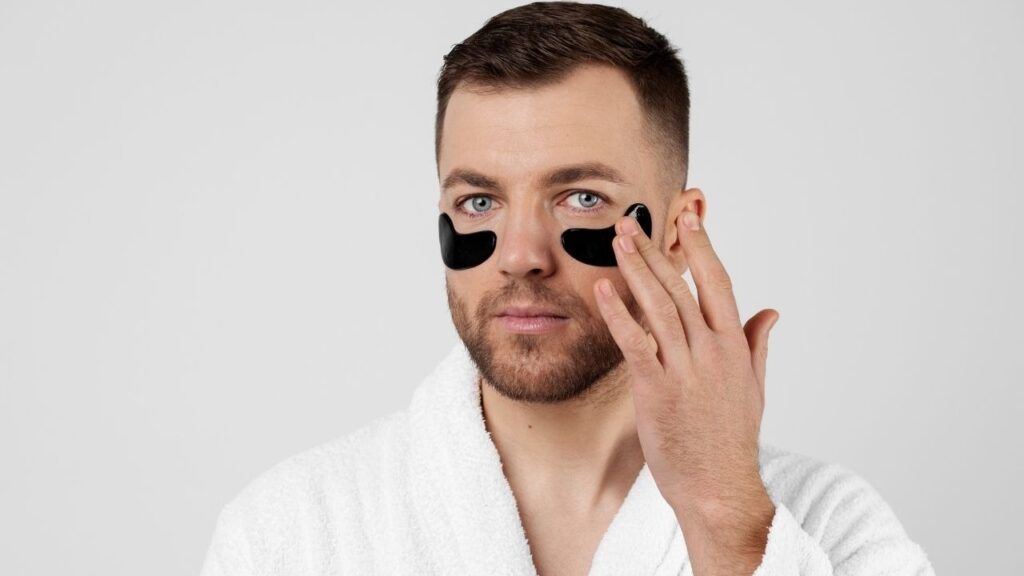
The under-eye area has thinner skin than the rest of your face, making it more prone to fine lines, puffiness, and dark circles. Eye creams with caffeine, peptides, or niacinamide can address these concerns effectively. According to Optima Dermatology, demand for dermatologist-approved under-eye formulas continues to rise in 2026.
Hydrating sheet masks or overnight sleeping masks used once a week can provide an extra moisture boost without complicating your daily regimen. Treat them as supplementary care, not core steps.
Common Mistakes That Sabotage Beginner Routines
The most damaging mistake beginners make is introducing too many new products simultaneously. When your skin reacts negatively, you have no way of identifying which product caused the problem. Always introduce one new product at a time and wait at least two weeks before adding another.
Another frequent error is expecting overnight results. Skin cell turnover takes approximately 28 days, and most products require six to eight weeks of consistent use before showing visible improvements. Patience is not optional; it is essential.
Skipping sunscreen remains the most widespread and consequential oversight. Even a diligent cleansing and moisturizing routine cannot offset the cumulative damage from unprotected UV exposure. Additionally, neglecting lifestyle factors such as sleep quality, hydration, and stress management undermines even the best product lineup.
What Dermatologists Actually Recommend for New Users
Board-certified dermatologists consistently advise beginners to follow a streamlined, evidence-based approach. According to guidance from MDForLives and current dermatology trends, these are the core principles professionals emphasize:
- Start with three core products only: a gentle cleanser, a hydrating moisturizer, and a broad-spectrum SPF 30+ sunscreen.
- Introduce active ingredients like retinol or vitamin C one at a time, waiting at least two weeks between each new addition.
- Choose products validated by clinical research rather than viral social media trends.
- Adjust your routine seasonally, using richer moisturizers in winter and lighter formulas in summer.
- Consult a dermatologist if you experience persistent acne, redness, or irritation that does not resolve within 8 weeks.
Your Morning and Evening Routine at a Glance
Structuring your routine into a simple morning and evening sequence makes consistency effortless. The table below outlines exactly what to do and when.
| Step | Morning | Evening |
| Cleanse | Gentle cleanser with lukewarm water | Double cleanse if wearing makeup or sunscreen |
| Treat (Optional) | Vitamin C serum for antioxidant protection | Retinol or niacinamide serum (alternate nights) |
| Moisturize | Lightweight hydrating formula | Richer cream with ceramides |
| Protect | Broad-spectrum SPF 30+ sunscreen | Not needed at night |
| Weekly Extra | None | Gentle chemical exfoliant (1–2 times per week) |
Products and Ingredients Beginners Should Prioritize
With thousands of options available, knowing which ingredients deliver real results helps you shop smarter. Hyaluronic acid attracts and holds moisture in the skin, making it a staple for all skin types. Ceramides restore the skin’s natural barrier, which is particularly valuable if you have eczema-prone or sensitive skin.
Niacinamide (vitamin B3) reduces inflammation, minimizes pores, and evens out skin tone. Salicylic acid clears clogged pores from within, making it the go-to for acne management. Zinc oxide in mineral sunscreens provides broad-spectrum UV protection with minimal irritation risk.
Lifestyle Habits That Support Healthy Skin
No product can fully compensate for poor lifestyle habits. Drinking adequate water, typically 2–3 liters daily, supports skin hydration from the inside. Sleep deprivation increases cortisol levels, which triggers inflammation and accelerates collagen breakdown.
A balanced diet rich in omega-3 fatty acids, antioxidants, and vitamins A and E directly supports skin repair and resilience. Chronic stress worsens conditions like acne, eczema, and rosacea, so incorporating stress management practices such as exercise, meditation, or even brief daily walks can produce visible improvements in your complexion over time.
Final Thoughts: Start Simple, Stay Consistent
Building an effective routine does not require a cabinet full of products or a complicated multi-step process. The evidence is clear: a consistent three-step approach cleanse, moisturize, protect delivers more lasting results than any viral 10-step regimen. Focus on understanding your skin type, introduce new products gradually, and give each addition enough time to prove its worth before making changes.
The best skincare tips for beginners all share one common thread: simplicity backed by science. Trust the process, protect your skin from the sun every day, and treat your routine as a long-term investment in your health rather than a quick fix. Your future self will thank you.
How many products should a beginner use in their daily routine?
Three products are sufficient for most beginners: a gentle cleanser, a moisturizer suited to your skin type, and a broad-spectrum sunscreen with SPF 30 or higher. Once these are established and your skin has adapted over four to six weeks, you can consider adding one active treatment such as a vitamin C serum or a mild retinol.
How long does it take to see results from a new routine?
Skin cell turnover cycles take roughly 28 days, so most products need at least four to eight weeks of consistent daily use to show noticeable results. Anti-aging ingredients like retinol often require three to six months for full visible improvements. The key is patience and consistency rather than switching products too frequently.
Do I need sunscreen if I stay indoors all day?
Yes. UVA rays penetrate glass windows, and cumulative indoor exposure contributes to premature aging and pigmentation over time. If you sit near a window during the day or spend even a few minutes outside during commutes, sunscreen remains essential. Choose a lightweight formula that works comfortably under makeup or on its own.
Can I use the same products in summer and winter?
Seasonal adjustments improve results. In winter, increased humidity loss and cold air call for richer, cream-based moisturizers. In summer, lighter gel-based formulas prevent excess oiliness. Sunscreen remains non-negotiable year-round, regardless of season or weather conditions.
Is expensive skincare always better than drugstore options?
Price does not determine effectiveness. Many affordable brands like CeraVe, Cetaphil, and The Ordinary contain the same clinically proven active ingredients found in luxury products. What matters is the formulation, the concentration of active ingredients, and whether the product suits your skin type. Dermatologists frequently recommend drugstore products to patients with excellent results.