
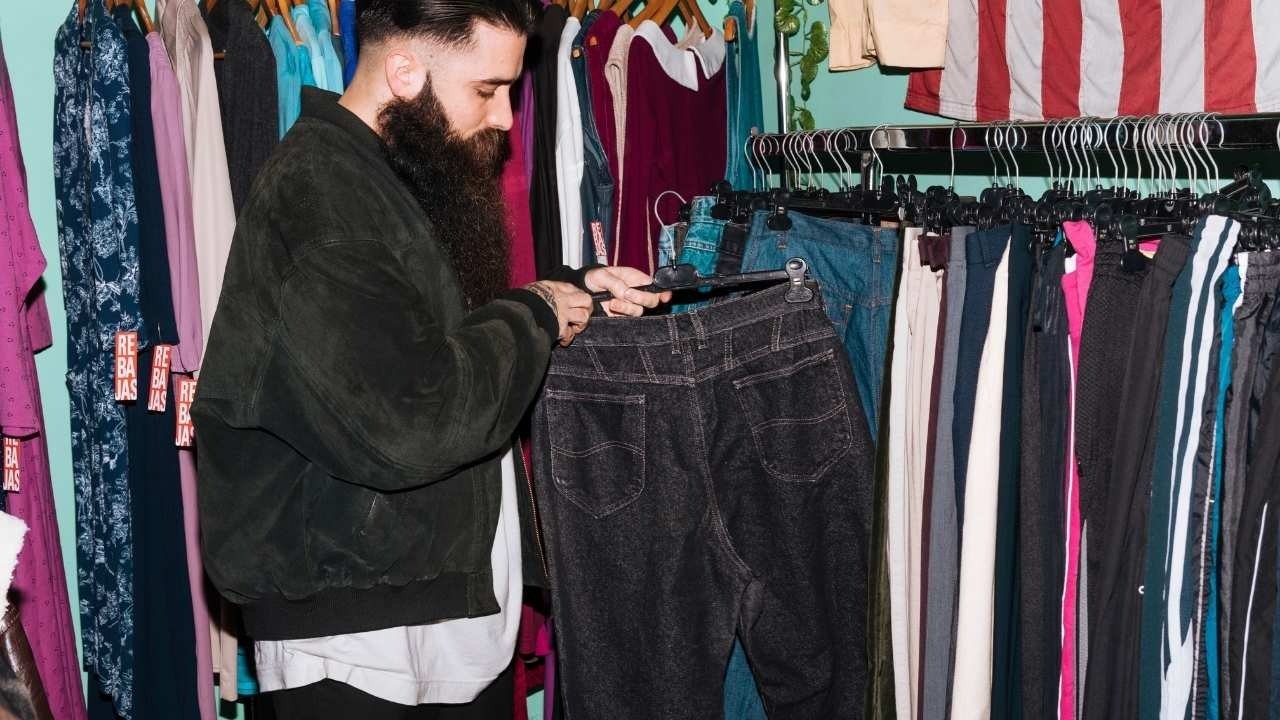

Thrifting for beginners starts with one realization: the best-dressed guys in the room rarely paid full price. Secondhand shopping has grown from a quiet money-saving habit into a full-blown fashion movement, and the numbers back it up. According to ThredUp’s 2025 Resale Report, the U.S. secondhand apparel market grew 14% in 2024, outpacing traditional retail clothing growth by five times. A record 58% of American consumers reported shopping secondhand that same year.
So why are millions of people trading retail racks for thrift store bins? Simple. You get better clothes, spend less money, and stop feeding a fashion system that dumps 92 million tonnes of textile waste into landfills every year. This guide covers exactly how to do it right from spotting quality fabrics to finding the stores worth visiting.
Table of Contents
Why Secondhand Shopping Makes Sense Right Now
The secondhand apparel market is projected to hit $393 billion globally by 2030, growing twice as fast as traditional retail. This shift is not some niche trend. It reflects how people actually want to shop.
Economic pressure plays a big role. With inflation still affecting household budgets, secondhand clothing offers the same brands at 70–90% off retail prices. A wool blazer that costs $250 new might sit on a thrift store rack for $18.
The Environmental Argument Is Hard to Ignore
The fashion industry accounts for roughly 10% of global carbon emissions more than international flights and maritime shipping combined. In the United States alone, approximately 11.3 million tons of textile waste reach landfills annually, and only about 15% of discarded textiles get recycled.
Every pre-owned shirt or jacket you buy is one fewer garment in that waste stream. Choosing secondhand is one of the most direct actions you can take to lower your personal fashion footprint without sacrificing how you look.
Access to Brands You Could Not Normally Afford
Thrift stores and consignment shops regularly stock labels like Ralph Lauren, Brooks Brothers, and J.Crew at a fraction of original prices. Items from discontinued lines or vintage collections show up too pieces you literally cannot buy new anymore. That kind of wardrobe depth is nearly impossible to achieve shopping exclusively at retail.
What to Look for on Your First Thrift Store Visit
Walking into a secondhand shop without a plan usually ends in wasted time and impulse buys. A focused approach makes the difference between a frustrating browse and a genuinely useful haul.
Check Your Wardrobe Gaps Before You Leave the House
Spend five minutes looking through your closet before heading out. Notice what is missing. Maybe you own plenty of casual tees but no quality button-downs. Perhaps you lack a proper pair of dark-wash jeans or a neutral blazer that works for both office and weekend wear.
Write those gaps down on your phone. This simple list keeps you targeted and prevents you from grabbing random items just because they are cheap.
Learn to Read Garment Labels
Fabric content tells you more about a garment’s value than the brand name does. Natural fibers cotton, wool, linen, silk, and cashmere generally outlast synthetics, drape better on the body, and age more gracefully.
Feel the weight of the fabric in your hands. A thick, tightly woven cotton oxford shirt signals quality construction. A thin, loosely knit polyester blend will pill after a few washes, no matter how good it looks on the hanger.
Inspect Before You Buy
Pre-owned clothing requires a closer look than retail purchases. Run your fingers along seams to check for loose stitching. Open and close every zipper. Look at collars and cuffs for fraying, and hold the garment up to the light to spot thinning fabric or small holes.
Most thrift stores operate on a final-sale basis, so catching defects at the rack saves you from throwing money away on something unwearable.
Building a Complete Wardrobe Through Secondhand Finds
A strong wardrobe is not about owning dozens of trendy pieces. It is about having a core set of versatile items that mix and match across different settings work, weekends, dinners, casual outings.
Start With the Foundations
Prioritize neutral, high-use pieces first. These are the items you will reach for three or four times a week:
- White and light blue button-down shirts that transition from office to casual settings
- Dark-wash denim jeans in a straight or slim fit that pair with almost anything
- Chinos in navy, khaki, or grey for a step above jeans without going full formal
- A navy or charcoal blazer that instantly sharpens a t-shirt-and-jeans outfit
- Leather belts and dress shoes, which often improve with age when properly cared for
Once these basics are covered, you can branch into statement pieces a vintage leather jacket, a patterned sport coat, or a unique pair of boots that reflect your personal style.
Focus on Fit Over Brand
A $12 thrifted shirt that fits your shoulders and torso perfectly will always look better than a $200 designer piece that hangs wrong. Fit is the single most important factor in whether secondhand clothing looks intentional or sloppy.
If something fits well in the shoulders and chest but runs slightly long, basic tailoring costs $10–20 and transforms a thrift find into something that looks custom. Many experienced secondhand shoppers budget for minor alterations as part of the process.
Best Places to Find Quality Secondhand Clothing
Not every thrift store delivers the same experience. Where you shop matters as much as how you shop, and thrifting for beginners gets significantly easier once you know which locations consistently stock better inventory.
| Shopping Channel | Price Range | Curation Level | Best For |
| Thrift Stores (Goodwill, Salvation Army) | $2 – $15 | Low (unfiltered) | Budget shoppers, treasure hunters |
| Consignment Shops | $10 – $60 | High (brand-curated) | Trendy, current-season styles |
| Online Resale (ThredUp, Poshmark) | $5 – $80 | Medium to High | Convenience, filter by size/brand |
| Estate Sales | $5 – $50 | Low (full wardrobes) | Suits, coats, quality classics |
| Church Thrift Shops | $1 – $10 | Low | Rock-bottom prices, low competition |
Neighborhood-Based Thrift Stores
Goodwill and Salvation Army locations in wealthier neighborhoods consistently receive higher-quality donations. Residents in these areas tend to cycle through expensive clothing faster, donating items that are barely worn. A Goodwill in an affluent suburb stocks a fundamentally different selection than one in a lower-income area this is not elitism, it is logistics.
Consignment Shops
Consignment stores curate their inventory more carefully, accepting only items in good condition from desirable brands. Prices run higher than traditional thrift stores but remain far below retail. Shops like Buffalo Exchange and Crossroads Trading specialize in current-season styles, making them great for younger shoppers who want trendier pieces.
Online Resale Platforms
Digital platforms have reshaped how people buy secondhand. ThredUp, Poshmark, Depop, and The RealReal each cater to different price points and style preferences. Online resale grew 23% in 2024, according to ThredUp’s report, making it the fastest-growing segment of the secondhand market.
Online shopping lets you filter by size, brand, price, and condition conveniences that physical thrift stores cannot offer. For men who dislike the treasure-hunt aspect of in-store browsing, digital resale is a practical alternative.
Estate Sales and Church Shops
Estate sales offer entire wardrobes from a single owner, often including high-quality suits, coats, and accessories that have been well maintained. Church-run thrift shops tend to price items lower than commercial thrift chains and see less foot traffic, meaning less competition for good finds.
Common Secondhand Shopping Mistakes and How to Avoid Them
Even experienced thrift shoppers fall into patterns that waste time and money. Knowing these pitfalls upfront saves you from repeating them.
Buying Solely Because the Price Is Low
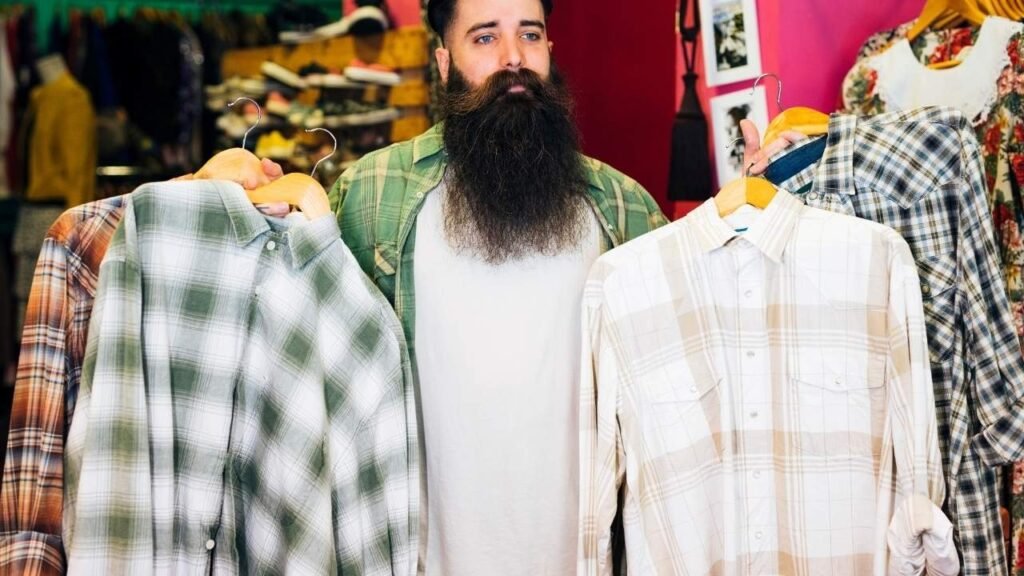
A $3 shirt is not a deal if it does not fit, does not match anything you own, or sits unworn in your closet for months. Thrifting for beginners often means fighting the urge to grab everything that seems like a bargain. Ask yourself before every purchase: would I buy this at full price? If the answer is no, the discounted price does not change the equation.
Skipping the Fitting Room
Sizing varies wildly across brands and decades. A medium from a 1990s label fits nothing like a medium from a brand made last year. Always try items on. If the store lacks a fitting room, hold shirts against your torso and check trouser waists against your own. Guessing leads to a pile of unworn clothes at home.
Rushing Through the Racks
Quality secondhand pieces hide between less desirable items. The person who flips through a rack in two minutes misses the cashmere sweater sandwiched between polyester blouses. Slow down. Touch fabrics as you go. The tactile difference between cheap and quality material is obvious once you train yourself to notice it.
Thrift Shopping and Sustainable Fashion: A Bigger Picture
Choosing secondhand is one of the simplest entries into sustainable fashion, but it connects to a larger set of practices worth adopting.
The U.S. Government Accountability Office released its first federal report on textile waste in December 2024, highlighting that 85% of discarded textiles in America end up in landfills or incinerators. The report recommended federal agencies collaborate on reducing textile waste and advancing recycling efforts.
Thrifting for beginners is a stepping stone. Once you start buying secondhand, you naturally become more mindful about what you purchase and how long you keep it. Many thrift shoppers also begin selling their own unused clothing, creating a personal cycle of reuse that keeps garments in circulation longer.
The Rise of Circular Fashion
Major brands are starting to participate in the resale economy. Companies like Patagonia, Levi’s, and Eileen Fisher now run their own take-back and resale programs. According to ThredUp’s 14th Annual Resale Report released in March 2026, Gen Z and Millennials are expected to drive over 70% of secondhand market growth through 2030.
This is not a passing fad. Circular fashion where garments are designed, sold, worn, resold, and eventually recycled is becoming the structural direction of the industry.
Practical Tips That Experienced Thrifters Swear By
Visit on Restock Days
Most thrift stores receive new inventory on specific days of the week. Ask staff when they restock and plan your visits accordingly. Shopping the day after a major restock gives you first pick before other shoppers filter through the best items.
Check the Miscellaneous and Accessories Sections
Belts, ties, scarves, and bags are often overlooked in thrift stores, yet they can anchor an outfit. Leather goods in particular hold up well over time and develop character with wear. A quality leather belt that costs $2 at a thrift store might retail for $60 or more.
Wash Everything Before Wearing
This is non-negotiable. Every secondhand garment should go through a wash cycle before it touches your skin. For delicate fabrics, hand washing or dry cleaning is worth the small extra cost. Proper laundering also removes any lingering odors and refreshes the garment’s appearance.
Build a Relationship With Your Local Shops
Regular visits and friendly conversations with staff can work in your favor. Some employees will set aside items they think match your style or alert you when particularly good donations come in. This kind of insider access is one of the underrated advantages of shopping local over online.
Start Small, Stay Consistent
You do not need to overhaul your entire wardrobe in one afternoon. Pick one or two items from your gap list, visit a well-stocked thrift store, and see what you find. The skills you build reading fabrics, spotting quality construction, and knowing your measurements compound over time.
Secondhand shopping rewards patience. The guy who visits regularly, inspects carefully, and buys intentionally ends up with a wardrobe that looks expensive without the price tag to match. That is the real advantage of learning to thrift well.
Is thrifting actually cheaper than buying new clothes?
Yes, significantly. Most thrift store items cost between $2 and $20, compared to $30–$200+ at retail. You can build an entire seasonal wardrobe for under $100 if you shop strategically and focus on versatile basics.
How do I find my size at a thrift store when sizing varies so much?
Bring a soft measuring tape with you. Know your chest, waist, and inseam measurements. Compare those numbers to the garment’s label or measure the item directly. This approach works far better than relying on generic size tags.
What are the best online platforms for secondhand men’s clothing?
ThredUp offers the widest selection at affordable prices. Poshmark and Grailed cater well to men looking for streetwear and designer labels. The RealReal specializes in authenticated luxury resale. Each platform has a different strength, so choosing depends on your budget and style preferences.
How often should I visit thrift stores to find good items?
Once or twice a week yields the best results. Thrift store inventory rotates constantly, and the best items tend to sell within a day or two. Timing your visits around restock days increases your chances of finding quality pieces.
Can I find designer or luxury brands at thrift stores?
Brands like Ralph Lauren, Calvin Klein, and even Burberry or Gucci surface at thrift stores and consignment shops, especially in affluent areas. Patience is key luxury finds are not guaranteed on every visit, but they appear more often than most people expect.
Is thrifting for beginners worth the time investment?
The first few trips take longer as you learn to navigate stores and identify quality items. After that, most experienced thrifters spend 30–45 minutes per visit and walk out with one to three solid pieces. The savings and style payoff make the time investment worthwhile for most people.