
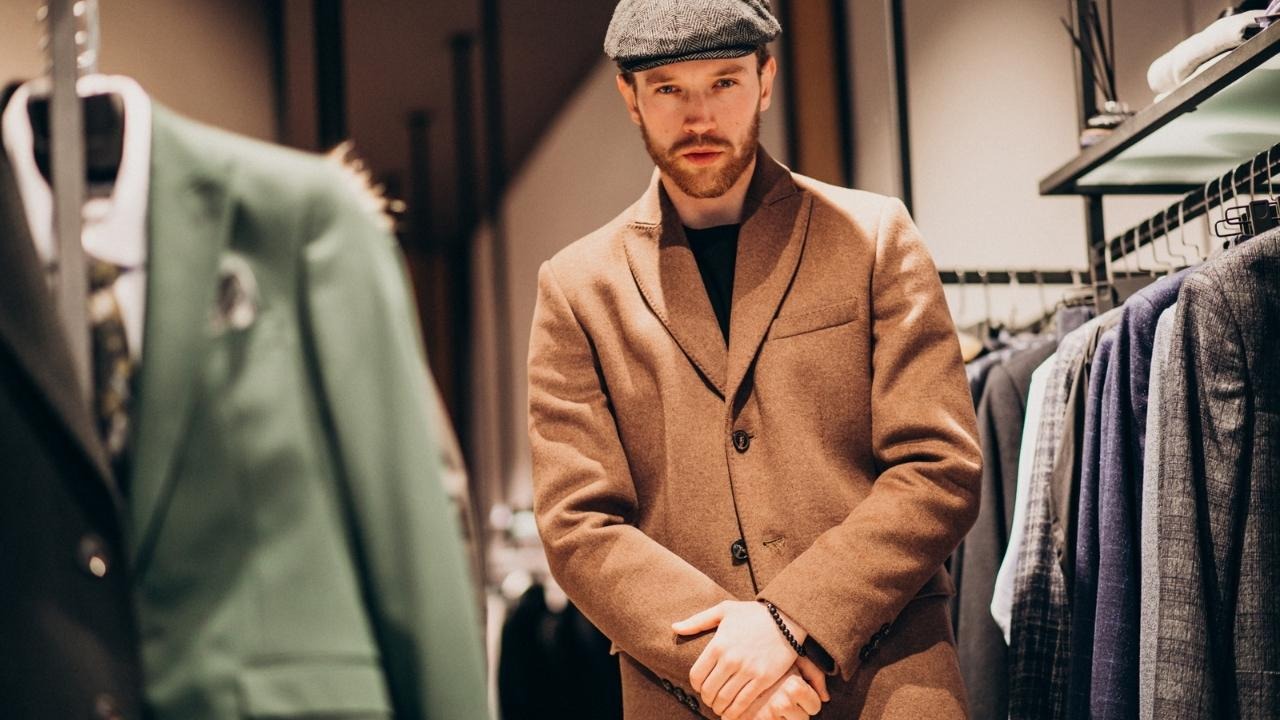

Your fall work capsule wardrobe decides how colleagues, clients, and bosses perceive you during the most high-stakes quarter of the year. Autumn is when performance reviews land, budgets get locked, and networking events pack the calendar week after week. Yet most professionals waste hundreds of dollars on random seasonal buys that never work together.
According to a survey by OfficeTeam, 80 percent of executives believe that clothing choices directly affect an employee’s chances of being promoted. That number alone should make you rethink the grab-and-go approach to fall dressing.
This guide gives you a complete 25-piece checklist, a research-backed autumn color framework, layering formulas for unpredictable office temperatures, and budget-friendly strategies that keep your professional image sharp without draining your bank account. Whether your workplace is corporate, creative, or hybrid, everything here is built to work for your specific environment.
Table of Contents
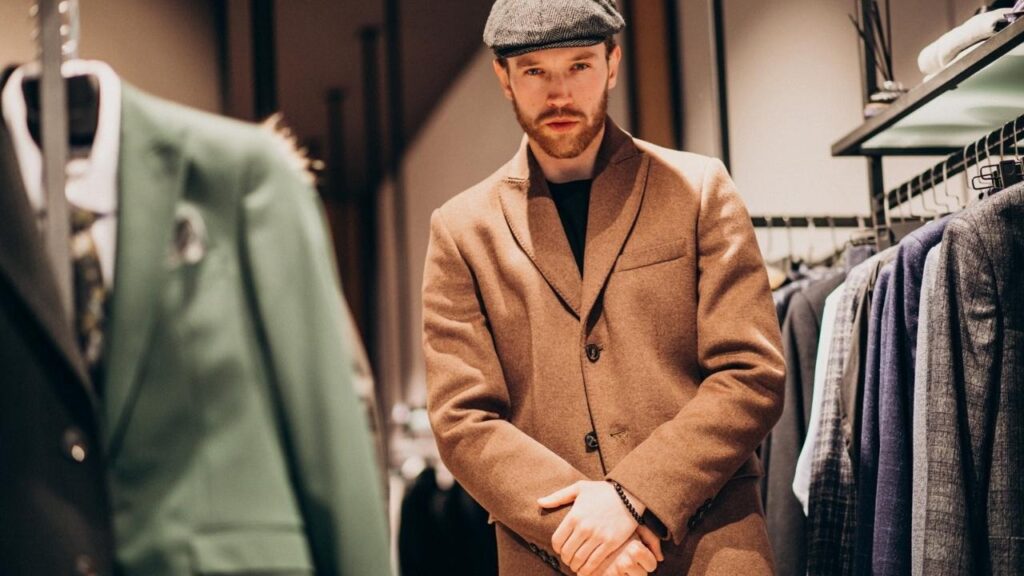
Why Autumn Demands a Strategic Approach to Work Clothing
Fall creates a wardrobe problem that no other season does. Summer clothes are too thin. Winter layers are too heavy. And your office thermostat has a personality disorder that swings 20 degrees between the lobby and the conference room.
A Gallup poll found that only 3 percent of American workers still wear traditional business formal attire, while 41 percent dress business casual most days. The bar for standing out is low. A handful of intentional autumn pieces will set you apart from coworkers who cycle through the same wrinkled options every week.
The impact goes deeper than first impressions. Research published in the Academy of Management Journal showed that daily clothing aesthetics directly affect employees’ self-esteem, goal progress, and workplace behavior. When your outfit feels sharp, your output follows. And autumn’s packed professional calendar client presentations, annual reviews, end-of-year galas puts those impressions under a spotlight.
If you have been following outdated fashion rules about what counts as “professional,” this is the season to reset.
The Autumn Color Palette That Signals Competence and Authority
Color is the fastest shortcut to projecting credibility at work. A 2021 behavioral experiment found that darker clothing tones triggered significantly higher trust ratings from observers than lighter versions of the identical style. The researchers noted that the specific hue mattered less than the depth of the color.
That finding hands autumn an enormous advantage. The palette that naturally shows up in fall burgundy, forest green, camel, navy, charcoal carries a visual weight that summer pastels and bright whites cannot match.
How to Build a Personal Autumn Color Framework
Before spending a dollar, define a four-color system that guarantees every item you own coordinates automatically.
Pick two anchor neutrals suited to your skin tone and industry. Navy and charcoal dominate in finance, law, and consulting. Camel and deep olive work well in creative, tech, and media settings. Then choose two accent tones burgundy and forest green, rust and deep teal, or similar pairings that complement both neutrals without clashing.
This tight palette turns 25 items into 50-plus outfits. When coordination is built into the system, you stop wasting morning brainpower on color matching. To understand more about how this works psychologically, read our deep dive on the psychology behind fashion choices.
Why Deep Tones Outperform Bright Colors in Professional Settings
Research from the National Library of Medicine (PMC) confirms that professionals wearing formal, seasonally appropriate attire receive higher competence ratings from peers and supervisors alike. Bright tones still have a role a rust scarf, a deep teal blouse, a warm mustard accessory but your anchor pieces should stay rooted in those deeper shades.
Here is a practical example. A charcoal blazer paired with a burgundy crewneck and navy trousers reads as confident and authoritative. Swap the blazer for camel and you have a completely different look with identical authority. That versatility is exactly what makes capsule thinking powerful.
The Complete 25-Piece Autumn Office Capsule Checklist
A well-built fall work capsule wardrobe typically ranges from 20 to 30 items that combine into 50 or more distinct outfits. Below is a concrete 25-piece checklist organized by category, with suggested colors and approximate price ranges at mid-range quality.
Tops (7 Pieces)
| Piece | Suggested Color | Est. Price Range |
| Fitted white button-down shirt | White | $40 – $80 |
| Silk or satin blouse | Burgundy or deep teal | $50 – $100 |
| Fine-gauge merino crewneck sweater | Navy | $60 – $120 |
| Cashmere-blend V-neck sweater | Camel | $70 – $150 |
| Lightweight turtleneck | Charcoal | $35 – $70 |
| Ponte knit top | Forest green | $30 – $60 |
| Striped Breton-style top | Navy and white | $25 – $50 |
Bottoms (4 Pieces)
| Piece | Suggested Color | Est. Price Range |
| Tailored wool-blend trousers | Charcoal | $60 – $130 |
| Straight-leg trousers | Navy | $60 – $120 |
| Midi pencil skirt (or chinos for men) | Camel | $45 – $90 |
| Dark slim-fit denim (if office allows) | Dark indigo | $50 – $100 |
Outerwear and Layers (5 Pieces)
| Piece | Suggested Color | Est. Price Range |
| Structured single-breasted blazer | Navy | $90 – $200 |
| Relaxed-fit blazer | Camel or charcoal | $80 – $180 |
| Lightweight wool cardigan | Burgundy | $55 – $110 |
| Cotton trench coat | Tan or olive | $100 – $250 |
| Structured vest or gilet | Charcoal | $50 – $100 |
Shoes (3 Pieces)
| Piece | Suggested Color | Est. Price Range |
| Leather ankle boots | Black or dark brown | $80 – $200 |
| Classic loafers or Oxfords | Cognac or black | $70 – $180 |
| Clean leather sneakers (smart-casual) | White or off-white | $60 – $120 |
Accessories (6 Pieces)
| Piece | Suggested Color | Est. Price Range |
| Structured leather tote or briefcase | Black or tan | $80 – $200 |
| Wool or cashmere scarf | Burgundy or camel | $30 – $80 |
| Leather belt | Black and brown (reversible) | $25 – $60 |
| Simple gold or silver watch | Matching metals | $50 – $200 |
| Stud earrings or minimal cufflinks | Gold or silver | $15 – $50 |
| Laptop-friendly crossbody or portfolio | Navy or black | $40 – $100 |
Total estimated cost at mid-range quality: $1,400 – $3,200. You do not need to buy everything at once. Start with foundation pieces blazer, trousers, two sweaters and fill gaps across two or three paychecks. For guidance on paring down before rebuilding, check our practical wardrobe declutter tips.
Layering Formulas for Unpredictable Office Temperatures
The biggest practical headache of autumn work dressing is the temperature swing. You commute in 50°F weather, sit in a 74°F office, then walk to a lunch meeting in a chilly breeze. Your outfit needs to handle all three without falling apart visually.
The Three-Layer System That Always Works
Professional layering follows a straightforward framework. Your base layer sits close to the body a fitted knit top or a tailored blouse. The mid-layer adds warmth a cardigan, a structured vest, or a thin wool sweater. The outer layer finishes the look a blazer, tailored coat, or cotton trench.
The key test: every layer should look complete on its own. If you remove the blazer in an overheated conference room, the sweater-and-blouse combination underneath should still read as polished. That is the difference between good layering and just wearing more clothes.
Two Ready-to-Use Outfit Formulas
- Cool-to-warm days: White button-down + fine merino crewneck + navy blazer + charcoal wool trousers. Remove the blazer indoors. Add the wool scarf for outdoor commutes.
- Mild-to-cold days: Charcoal turtleneck + burgundy cardigan + tan trench coat + dark denim. The turtleneck alone works when the office runs warm. The full stack handles genuine cold.
These two formulas alone cover roughly 80 percent of autumn work scenarios. For a broader approach to streamlining daily outfit decisions, our guide on how to simplify your wardrobe walks through the full process.
Texture Mixing: The Detail That Separates Good From Great
Color gets most of the attention, but texture is what makes an outfit memorable. Combining different materials within the same color family creates depth and dimension that pattern mixing rarely achieves.
Practical Texture Combinations for the Office
Pair a smooth silk blouse with a nubby wool blazer. Layer a fine-gauge merino under a structured cotton trench. Match matte leather boots with soft suede accessories. Each combo creates contrast that reads as intentional without being distracting.
Limit yourself to three texture families per outfit. Smooth plus textured plus matte gives you ample visual interest. Adding a fourth say, a shiny patent belt on top of everything else pushes the look into busy territory.
Best Fabrics for Autumn Business Casual and Beyond
Wool crepe, cashmere, brushed cotton, fine-gauge knits, and smooth leather are the fall workhorses. They hold their shape through long days, look expensive even at mid-range prices, and age gracefully with proper care.
Avoid distressed denim, chunky cable knit, and any fabric that wrinkles the moment you sit down. If your workplace follows a business casual dress code, your fabrics should signal intention. Stylist Cassandra Sethi, founder of Next Level Wardrobe and former retail business owner with over 25 years of fashion industry experience, emphasizes that fit and fabric quality matter far more than brand names when building a professional capsule.
Five Mistakes That Quietly Sabotage Autumn Work Wardrobes
Even smart shoppers fall into predictable traps. These five errors cost more money and deliver worse results than almost any other wardrobe decision.
- Chasing trends over classics. That oversized silhouette might look sharp on a runway, but it dates within a single season. Classic, well-fitted cuts stay relevant for three to five years. Save trend experiments for low-cost accessories.
- Ignoring fit for the sake of brand names. A $100 blazer tailored to your body creates a better impression than a $500 one that pulls across the shoulders. Tailoring costs $15 to $40 for most adjustments and delivers an outsized return on appearance.
- Buying pieces in isolation. That striking emerald blouse is worthless if it clashes with every trouser you own. Always test new purchases against your color framework before checkout. Our guide to building a minimalist wardrobe breaks this system down step by step.
- Skipping mid-layer pieces. Professionals buy tops and bottoms but forget the cardigans, vests, and scarves that make autumn dressing actually functional. Without removable mid-layers, you are stuck choosing between too hot and too cold all day.
- Choosing quantity over fabric quality. Three well-made wool sweaters that last five years outperform ten cheap synthetics that pill after two washes. The cost-per-wear math always favors quality. Plus, buying fewer but better items is a genuine step toward sustainable fashion the global fashion industry generates 92 million tonnes of textile waste annually, and capsule thinking directly fights that cycle.
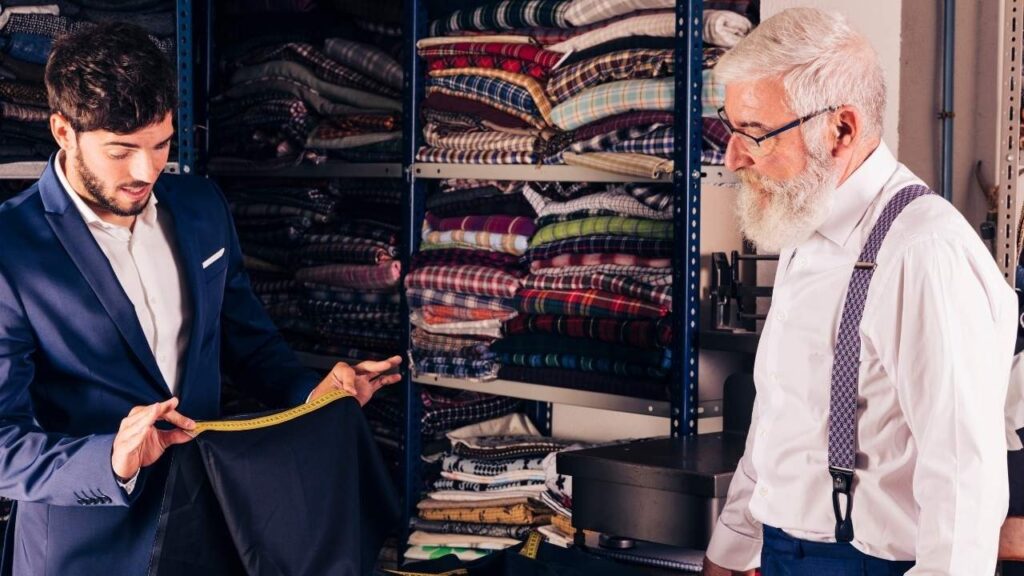
How a Capsule Wardrobe Saves Time, Money, and Mental Energy
People spend roughly 15 to 20 minutes each morning deciding what to wear. That adds up to nearly 80 hours a year two full work weeks wasted staring into a closet. A well-designed fall work capsule wardrobe reduces that to two minutes flat.
The financial gains are just as real. Instead of $200 here and $150 there on pieces that never coordinate, capsule thinking focuses your budget on fewer, better items that multiply into more outfits. Twenty-five coordinated pieces generate more variety than a disorganized closet of sixty random items.
The psychological payoff is the part most people underestimate. A survey of 150 capsule wardrobe users found that 94 percent reported loving or liking the approach. Less clutter, less decision fatigue, and more daily confidence. Research on the link between clothing and self-esteem confirms that what you wear directly shapes how you feel about yourself throughout the day.
Stylist Aimee Lane put it simply in an interview with E! News: investing in quality pieces you reach for daily ensures strong cost per wear, and a capsule helps you save both time and money in the long run.
Building Your Autumn Work Capsule on a Budget
You do not need a large upfront investment to dress well for autumn. Strategic shopping makes a fall work capsule wardrobe accessible at nearly any income level.
Start With What You Already Own
Before buying anything new, audit your closet. Pull out every piece that fits your four-color framework and still fits your body properly. Most people discover they already own 8 to 12 usable capsule pieces hiding behind items they never wear.
Fill Gaps Strategically
Prioritize your highest-wear items first. A good blazer and two pairs of quality trousers will carry you through 60 percent of fall work outfits. Buy these at the best quality you can afford, even if it means waiting on accessories.
End-of-season sales (late November for fall items), consignment shops, and secondhand platforms like ThredUp and Poshmark offer quality pieces at 40 to 70 percent off retail. A $200 blazer from a consignment store often has years of life left and costs less than a fast-fashion alternative that falls apart in three months.
The Cost-Per-Wear Rule
Divide the price by the number of times you will realistically wear the piece. A $150 blazer worn twice a week for three years costs roughly $0.50 per wear. A $40 trendy top worn four times before it looks dated costs $10 per wear. The “expensive” piece is actually twenty times cheaper.
Understanding how fast fashion works makes this math even more clear. The fashion industry produces 100 billion garments per year globally, and the average American creates 82 pounds of textile waste annually. Buying fewer, better pieces is not just a style choice it is an environmental one.
Adapting Your Capsule to Different Professional Environments
A fall work capsule wardrobe is not one-size-fits-all. Your specific workplace culture should shape which pieces get priority.
Corporate and Finance Settings
Structured blazers, tailored wool trousers, and closed-toe shoes are non-negotiable. Stick to navy, charcoal, and black. Keep accessories minimal a quality leather bag, simple metal jewelry, a classic watch. Texture mixing works beautifully here because it adds visual interest without breaking formality rules.
Creative and Tech Industries
You have room to push color and silhouette. Swap the structured blazer for a draped cardigan or fitted bomber. Introduce bolder accent tones burnt orange, deep teal, warm mustard. Dark denim can replace wool trousers when the culture supports it.
Hybrid and Remote-First Roles
Video calls still demand intentional dressing from the waist up. Three to four polished tops and one good blazer cover your on-camera rotation. When you head into the office, pair those tops with coordinated trousers and proper shoes for a finished look.
For anyone feeling overwhelmed by the options, our minimalist style guide offers a stripped-back framework that applies across all three environments.
How Clothes Shape Confidence and Career Outcomes
The connection between what you wear and how you perform is not anecdotal. It is backed by hard data.
Research from the Journal of Fashion Marketing and Management found that people in business formal attire were perceived as more knowledgeable and competent than those in casual clothing. A separate study published in Social Psychological and Personality Science demonstrated that wearing formal clothing increases abstract thinking the big-picture cognition associated with leadership and strategic decision-making.
These findings explain why an autumn professional capsule is not just about looking good. It is a tool for performing at your highest level during the quarter that often determines promotions, bonuses, and next-year positioning.
When you dress in clothes that make you feel confident, the effects cascade. You speak up more in meetings, negotiate more assertively, and project the kind of presence that senior leaders notice. The wardrobe is the catalyst, not the outcome.
How many pieces should a professional autumn capsule include?
Most wardrobe consultants recommend 20 to 30 items including shoes and outerwear. Our 25-piece checklist above generates over 50 unique outfit combinations when built on a shared four-color framework. Start smaller and expand only when genuine gaps appear.
What are the best autumn colors for projecting authority at work?
Deep neutrals navy, charcoal, camel, and black form the strongest professional foundation. Accent colors like burgundy, forest green, rust, and deep teal add seasonal warmth. A 2021 behavioral study confirmed that darker tones consistently trigger higher trust and competence ratings from observers.
How do I handle temperature swings between my commute and the office?
Use the three-layer system: a fitted base, a removable mid-layer such as a cardigan or vest, and a structured outer layer. Each piece should look polished independently so you can add or remove layers throughout the day without compromising your professional appearance.
Can I build a fall office capsule on a tight budget?
Yes. Audit what you already own, prioritize high-wear foundation pieces like blazers and trousers, and shop end-of-season sales or secondhand platforms for the rest. Apply the cost-per-wear rule: a $150 blazer worn 300 times costs $0.50 per wear, making it far cheaper than a $40 trendy top worn four times.
What fabrics work best for autumn office clothing?
Wool crepe, cashmere blends, brushed cotton, fine-gauge merino, and smooth leather are the top performers. They hold their shape, resist wrinkles, and look polished from morning through evening. Avoid synthetics that pill quickly and fabrics that wrinkle the moment you sit down.
Is a capsule wardrobe sustainable?
Very much so. The fashion industry generates 92 million tonnes of textile waste each year, and the average American discards 82 pounds of clothing annually. A capsule approach reduces consumption by focusing on fewer, higher-quality pieces that last multiple seasons instead of disposable trend cycles.
How often should I refresh my autumn work capsule?
Well-chosen pieces last three to five seasons with proper care. Replace items only as they wear out, and add one or two fresh pieces each fall to keep the rotation current. A full rebuild is rarely necessary when the foundation is solid.