
Learning how to make casual clothes look dressy saves you from the stress of maintaining two completely separate wardrobes for different occasions. You already own the right pieces. You just need a proven approach to style them with purpose, intention, and polish.
The global casual wear market hit $645 billion in 2025 and is projected to reach $906 billion by 2034, according to Fortune Business Insights. That growth tells a clear story: people are buying more relaxed clothing than ever before. The real challenge is making those everyday staples work for dinner reservations, office events, and social gatherings without shopping for entirely new outfits each time.
This guide breaks down the exact techniques professional stylists use to transform ordinary jeans-and-tee combinations into refined, event-ready ensembles. Every strategy here requires zero additional spending on designer labels. Whether you are a woman looking to elevate casual outfits for date nights or a man trying to upgrade everyday outfits for business meetings, the principles remain the same.
Table of Contents
Why Dressing Up Casual Wear Is a Modern Style Essential
The line between formal and informal dressing has blurred dramatically over the past decade. Red carpet events now feature sneakers alongside tailored suits, and corporate boardrooms welcome well-styled denim paired with silk blouses. This cultural evolution has turned casual-to-dressy styling into a legitimate fashion philosophy rather than a budget workaround.
A McKinsey State of Fashion 2026 report found that value-conscious consumer behavior is rising globally, with shoppers actively redirecting discretionary spending toward versatile wardrobe pieces rather than occasion-specific purchases. The report also noted that consumers across income levels are focusing their spending on categories that deliver lasting value, which makes wardrobe versatility more important than ever.
The Unpredictable Social Calendar Problem
Last-minute dinner invitations arrive through text messages constantly. A casual Friday at work suddenly turns into a client lunch. Weekend brunch becomes a surprise birthday celebration with a dress code you did not expect.
Keeping the ability to elevate your current outfit within minutes provides a practical advantage that cuts stress and builds confidence simultaneously. Instead of panic-shopping before events and accumulating single-use garments that clutter your closet permanently, you work smarter with what you already own.
What Fashion Experts Say About Versatile Dressing
Celebrity stylist Sam Spector, who regularly advises clients featured on TODAY.com, emphasizes the power of mixing unexpected textures and contrasting dressy elements with casual bases. His approach to 2026 fashion trends centers on layering patterns, textures, and colors together to create outfits that feel intentional without looking overdone.
Style consultant Allison Bornstein, known for her three-word method of defining personal style, encourages building a wardrobe around just three descriptive words. Once you know your style identity, every casual piece becomes a candidate for dressy elevation because you are making choices based on intention rather than impulse.
Strategic Layering: The Single Most Powerful Upgrade
One well-chosen layering piece can shift an entire outfit from weekend-relaxed to dinner-appropriate without changing your base garments. This technique is the cornerstone of understanding how to make casual clothes look dressy with minimal effort and maximum visual impact.
A structured blazer thrown over a white tee and jeans instantly creates a polished silhouette that reads intentional. A longline coat draped over a basic knit dress moves the look from coffee-run casual to restaurant-worthy in seconds. These are additions to your outfit, not replacements of your comfortable foundation.
According to a capsule wardrobe guide from JudyP Apparel, style cohesion through consistent silhouettes and a controlled color palette creates a signature look that people remember. The key is to keep your base layers comfortable and let the outer layer do the formality work.
Five Layering Pieces Stylists Reach for First
Certain layering items consistently outperform others when paired with casual foundations. Professional image consultants rely on these smart casual outfit ideas more than anything else in their styling toolkit:
- A single-breasted blazer in black or navy that sharpens any combination and adds structure to relaxed silhouettes immediately
- A lightweight trench coat in beige or camel that drapes well over casual dresses and denim-based outfits across transitional seasons
- A fitted leather or faux-leather jacket that introduces sophistication to basic tee-and-trouser pairings without extra effort or expense
- A fine-knit cardigan in cashmere or merino wool that adds textural richness without overwhelming simple foundations underneath
- A structured vest or waistcoat that creates visual dimension while maintaining a streamlined, dressy appearance overall
Each of these works because it introduces formality through silhouette and structure rather than requiring you to abandon the casual pieces you already love wearing.
Accessory-Driven Elevation That Redefines Your Entire Look
Accessories communicate intentionality faster than any other styling element. A plain crew-neck tee reads thrown together on its own. Add gold layered necklaces, and it suddenly appears deliberately styled and curated.
Accessory-driven outfit elevation is the fastest path to dressing up casual wear because it requires zero changes to your actual clothing. You simply add finishing touches that shift perception entirely.
Jewelry Selection for Maximum Impact
Prioritize quality over quantity every time. One elegant watch paired with a single delicate bracelet creates a more elevated impression than five stacked bangles competing for attention.
A Who What Wear capsule wardrobe analysis emphasized that building outfits around fewer, higher-quality accessories produces looks that feel current yet timeless. Choose pieces that contrast against relaxed fabrics rather than blending into them. A silk scarf tied around a handbag handle or a structured belt worn over a loose sweater dress achieves this contrast with minimal investment.
Handbag Choices That Signal Sophistication
Swap your everyday canvas tote for a structured leather handbag with clean architectural lines and minimal hardware. The contrast between a relaxed outfit and a polished bag creates visual tension that reads as intentional high-low dressing, a technique that fashion editors use regularly.
Crossbody bags with refined finishes work particularly well for this purpose. They keep the silhouette streamlined while adding a finishing touch that shifts the entire perception of your outfit from casual to curated.
Footwear Swaps: The Fastest Casual-to-Dressy Technique
Shoes anchor the visual impression of every outfit from the ground up. The same jeans-and-blouse combination reads completely differently when paired with white sneakers versus pointed-toe heeled mules. One swap. Completely different message. This is why footwear swap styling is considered the highest-return technique for upgrading everyday outfits without any wardrobe overhaul.
Three Versatile Shoe Investments Worth Making
Pointed-toe flats in nude or black pair seamlessly with virtually every casual combination. They read polished without sacrificing comfort, making them ideal for days that shift unexpectedly from office hours to evening plans.
Strappy heeled sandals in metallic tones add instant glamour to simple dresses and trouser outfits. And a pair of well-crafted loafers bridges the gap between relaxed and refined better than almost any other shoe on the market. These three options cover roughly 90 percent of casual-to-dressy footwear needs across all seasons and occasions.
The One-Third Formality Rule
The most common mistake when dressing up casual outfits is overdoing it. Piling too many dressy elements onto a casual base creates a look that feels confused rather than intentionally blended. This is one of the biggest style mistakes to avoid when transitioning between dress codes.
Professional image consultants recommend the one-third rule: keep approximately two-thirds of your outfit casual and elevate the remaining one-third through a strategic layer, accessory, or footwear change. This ratio maintains visual harmony while clearly signaling that your elevated appearance is deliberate rather than accidental.
Practical Application of the Rule
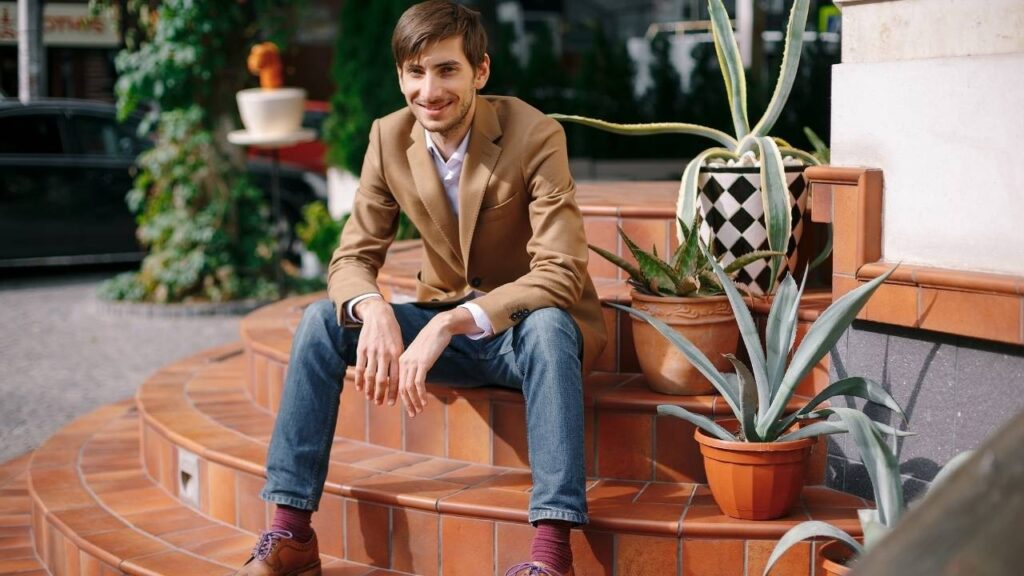
Wearing jeans (casual) with a basic tee (casual) and a structured blazer (dressy) follows the formula perfectly. The blazer does the heavy lifting while the base stays comfortable and grounded.
Wearing a casual knit dress (casual base) with heeled mules (dressy) and a structured bag (dressy) tips the balance slightly toward formal territory. That also works because the dress still grounds the look in ease and approachability.
A common error is wearing heels, statement jewelry, a silk blouse, and a structured coat all together over jeans. That four-dressy-to-one-casual ratio overwhelms the outfit and eliminates the relaxed polish you were aiming for in the first place.
Fabric Contrast and Color Coordination
Your brain processes clothing cues fast and assigns formality levels based on fabric texture, color coordination, and fit precision. Mixing fabric weights is one of the quickest ways to upgrade an outfit without changing a single garment. This technique of fabric contrast styling is what separates outfits that look thrown on from those that look deliberately composed.
How Texture Mixing Works
Pair a cotton tee (matte, relaxed) with a silk or satin skirt (sheen, refined). The contrast between the two fabrics tells the eye this outfit was curated, not assembled randomly.
Denim paired with cashmere creates a similar effect. So does a linen top layered under a leather jacket. These combinations use the visual tension between casual and polished textures to create something that feels elevated on its own without requiring any additional accessories.
The table below breaks down common casual fabrics and their dressy counterparts to help you build contrast-based outfits quickly.
| Casual Fabric | Dressy Counterpart | Outfit Example |
| Cotton jersey | Silk or satin | Cotton tee paired with a satin midi skirt |
| Denim | Cashmere or wool blend | Dark jeans paired with a cashmere crewneck |
| Linen | Leather or suede | Linen trousers paired with a suede blazer |
| French terry | Structured tweed | Relaxed joggers paired with a tweed jacket |
| Canvas | Patent or polished leather | Canvas sneakers swapped for patent loafers |
When you pair a matte casual fabric with a fabric that has sheen, structure, or weight, the visual contrast alone does most of the dressy work for you.
Monochromatic Dressing for Instant Polish
Wearing one color family head to toe naturally reads more polished than a multi-colored combination. A navy tee tucked into navy trousers with navy flats looks significantly dressier than the same pieces would in mismatched tones.
Neutral palettes consisting of black, white, beige, camel, and grey carry an inherent sophistication. Building your casual wardrobe around these shades makes every piece easier to dress up on short notice and simplifies the process of capsule wardrobe dressing significantly.
Fit, Tailoring, and Quick Styling Tricks
An ill-fitting blazer looks cheaper than a perfectly fitted one from a budget brand. Fit trumps price tag every single time, and this principle is the foundation of budget-friendly outfit upgrading that actually works.
Simple tailoring adjustments like hemming trousers to the right length, taking in a blazer at the waist, or shortening sleeves by half an inch can transform a $40 jacket into something that looks four times its price. A Harper’s Bazaar guide to wardrobe basics consistently ranks tailoring and fit as the number one factor that separates expensive-looking outfits from cheap-looking ones, regardless of the actual price paid.
The French Tuck and Other Instant Upgrades
Tucking the front of your shirt into your waistband while leaving the back loose (the French tuck) instantly adds shape and intention to an otherwise shapeless outfit. It takes three seconds and costs nothing.
Cuffing sleeves to the elbow, rolling jeans just above the ankle, and adding a belt at the waist are similarly effortless moves that signal awareness and care. These small gestures are among the simplest women’s fashion styling tips that professionals use daily, and they work equally well for men.
Occasion-Specific Styling: Date Night, Workplace, and Events
Knowing **how to make casual clothes look dressy** is only half the equation. The other half is adapting the technique to the specific occasion, because what works for a Saturday dinner reservation differs from what works for a Monday client meeting. Mastering day to night fashion transitions means understanding the formality signals each setting demands.
Date Night Outfit Formulas
For a dinner date, the formula is simple: dark wash jeans plus a silk or satin camisole plus a blazer plus pointed-toe heels. This combination balances comfort with visual sophistication and works at virtually any restaurant that does not require a formal dress code.
If you prefer dresses, a basic jersey midi dress with metallic strappy sandals and a structured clutch achieves the same effect. The key is keeping the base relaxed while letting two dressy elements (shoes and bag, or shoes and jewelry) lift the overall look.
Smart Casual for the Workplace
Office environments that follow a smart casual dress code respond best to structured layers. A well-tailored blazer over a crewneck sweater and tailored trousers reads professional without feeling stiff. Loafers or pointed-toe flats complete this look cleanly.
The mistake most people make in workplace settings is dressing too casually on the bottom half. Pairing a polished blouse with distressed jeans or athletic sneakers sends a mixed signal. Keep the proportions balanced: if the top is casual, the bottom should compensate, and vice versa.
Semi-Formal Events and Wedding Guest Looks
Wedding invitations and cocktail events sit at the top of the casual-to-dressy spectrum. For these occasions, the one-third rule tilts in the opposite direction: two-thirds dressy, one-third casual. A silk blouse tucked into tailored wide-leg trousers with statement earrings and heeled sandals achieves this beautifully.
Avoid going fully formal unless the invitation explicitly says black tie. The goal at semi-formal events is to look polished and intentional, not overdressed. A structured jumpsuit with a clutch and delicate gold jewelry works just as well as a cocktail dress and feels far more modern.
Seasonal Strategies for Elevating Casual Outfits
The principles behind how to make casual clothes look dressy stay constant across seasons, but the specific pieces and techniques shift depending on the weather and the fabrics available to you.
Summer Styling Strategies
Warm-weather dressing limits your layering options, so accessories and footwear carry the full dressy burden. A basic linen dress paired with wedge espadrilles, a woven structured bag, and gold hoop earrings reads elevated without adding heat.
In summer, fabric choice becomes even more important. Swap cotton jersey tees for linen or Tencel alternatives that drape better and carry a more refined visual weight. Light-colored monochromatic outfits in white, beige, or soft pastels look inherently polished during warmer months.
Winter and Fall Layering for Dressy Looks
Colder seasons are where layering for a dressy look truly shines. A cashmere turtleneck under a structured wool coat with tailored trousers and leather boots creates an outfit that moves seamlessly from weekend brunch to evening dinner without any changes required.
Scarves, gloves, and hats become additional tools for elevation during fall and winter. A silk scarf wrapped around a camel coat or a pair of leather gloves tucked into a blazer pocket introduces a level of intention that most people overlook entirely.
How Men Can Dress Up Casual Wear
Everything covered so far applies to men’s wardrobes just as effectively. The principles of silhouette, fabric contrast, and the one-third formality rule are universal. However, men’s casual-to-dressy styling has a few unique considerations worth addressing separately.
Key Pieces for Men’s Casual-to-Dressy Transitions
A navy or charcoal unstructured blazer is the single most impactful item in a man’s wardrobe for dressing up casual outfits. Worn over a plain white tee with dark jeans and clean leather sneakers or loafers, it creates a look that works for dinner, drinks, or any smart casual occasion.
Chinos in navy, olive, or khaki offer a middle ground between jeans and dress trousers. They pair well with both casual tees and button-down shirts, making them one of the most versatile pieces a man can own. Oxford shirts in white or light blue (sleeves rolled to the forearm) bridge the gap between casual and formal effortlessly.
For footwear, men should invest in a pair of clean white leather sneakers for dressed-up casual settings and a pair of suede loafers or Chelsea boots for occasions that lean slightly more formal. These two pairs cover the full spectrum of men’s casual-to-dressy footwear needs.
Building a Capsule Wardrobe That Transitions Easily
The capsule wardrobe concept, which centers on owning fewer but higher-quality pieces that mix and match effortlessly, is the foundation for mastering how to make casual clothes look dressy permanently. With the right 25 to 35 core pieces, you can create over 200 outfit combinations that cover everything from weekend errands to evening events.
The casual wear segment now accounts for roughly 54.59 percent of the fast fashion market, per Fortune Business Insights. Women drive the majority of these purchases. The smartest investment strategy is choosing casual pieces that already have dressy potential built in. Think well-cut dark denim instead of distressed jeans, or a structured cotton tee instead of an oversized graphic shirt.
A Who What Wear editorial on capsule wardrobes for 2025 confirmed that the beauty of a capsule wardrobe lies in its simplicity: by investing in a few carefully chosen pieces, you can unlock countless outfit possibilities, making it easier to get dressed each morning while feeling confident and put together.
Choosing Casual Pieces With Built-In Dressy Potential
Not all casual pieces are created equal. A slim-cut crewneck sweater in merino wool looks naturally polished in a way that a boxy fleece pullover never will, even though both are technically casual. When shopping for your capsule wardrobe, ask one question before buying: Can I wear this to dinner with one accessory change? If the answer is no, skip it.
- Dark wash straight-leg jeans that pair equally well with heels or sneakers
- A white button-down shirt in crisp cotton or linen
- A black blazer with clean tailoring
- Pointed-toe flats in a neutral shade
- A structured leather crossbody bag
- A silk or satin camisole for layering under jackets
- Gold or silver minimal jewelry (a thin chain necklace, small hoop earrings)
These seven items turn any casual outfit into something appropriate for dinner, networking events, or semi-formal gatherings.
The ability to how to make casual clothes look dressy is not about spending more money or overhauling your entire wardrobe. It is about applying the right techniques (layering, accessorizing, footwear swaps, fabric contrast, and the one-third rule) with consistency and intention. Start with one change today, whether that is swapping sneakers for loafers or adding a blazer over your favorite tee, and build from there. The confidence that comes from knowing you can elevate any outfit in minutes is worth far more than any single garment you could buy.
Can you make jeans look dressy enough for a dinner date?
Yes. Dark wash jeans in a straight or slim cut paired with pointed-toe heels, a silk camisole, and a structured blazer create a polished dinner-ready outfit. Avoid distressed or light-wash denim for dressier settings, and always ensure the fit is clean through the hips and thighs.
What is the fastest way to elevate a basic t-shirt outfit?
Swap your sneakers for pointed-toe flats or heeled mules, add layered gold necklaces, and carry a structured leather bag instead of a canvas tote. These three changes take under two minutes and dramatically shift how the outfit is perceived by others.
Does the one-third formality rule work for men too?
Absolutely. A man wearing dark jeans (casual), a plain tee (casual), and a tailored blazer with leather shoes (dressy) follows the same principle. The rule is about visual balance and proportion, not gender-specific styling.
How much should I spend on key layering pieces?
You do not need to spend heavily. A well-fitted blazer from a mid-range brand like Zara or H&M works just as well as a luxury option if the tailoring fits your body correctly. Focus your budget on fit and fabric quality rather than brand names, and consider basic alterations to perfect the silhouette.
Is it possible to overdress when upgrading a casual outfit?
Yes, and it is the most common mistake people make. If every element of your outfit screams formal (heels, statement jewelry, a silk blouse, and a structured coat all at once), the look loses the relaxed-yet-polished balance entirely. Stick to the one-third rule and let your casual base stay visible.
What role does color play in making casual clothes look more refined?
Monochromatic outfits (one color family head to toe) naturally appear more polished than multi-colored combinations. Neutral palettes including black, navy, beige, white, and grey carry inherent sophistication and make every casual piece easier to dress up on demand.
What fabrics look the most expensive on a budget?
Silk, cashmere, merino wool, and Tencel consistently look more expensive than their actual price tag suggests. Even blended versions of these fabrics drape better and catch light in ways that standard cotton jersey or polyester cannot replicate. Pairing one premium-feeling fabric with a casual piece creates immediate visual elevation.