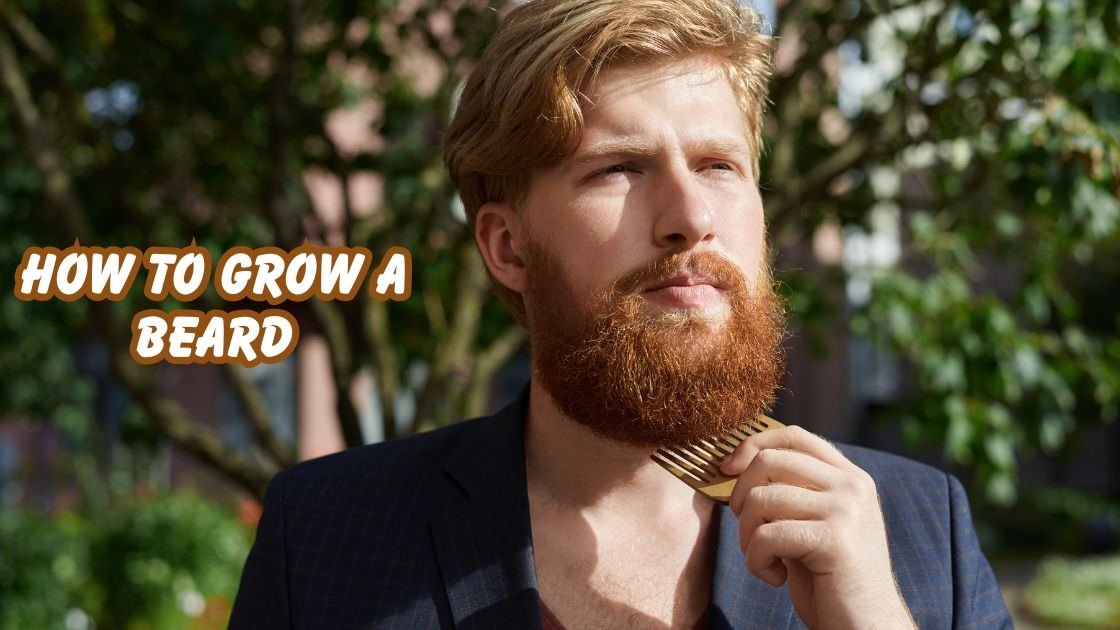

If you’ve been searching for how to grow a beard that looks full and healthy, you’re not alone. Whether you’re in your twenties struggling with patchy facial hair or in your forties trying to achieve that distinguished look, age doesn’t have to be a barrier.
This comprehensive guide covers everything you need to know about beard growth at any stage of life. We’ll explore proven techniques for stimulating facial hair, the role of testosterone and genetics, effective beard care routines, and lifestyle changes that support healthy hair follicles. You’ll also discover how proper nutrition for beard growth and the right grooming products can make a real difference. By the end, you’ll have a clear roadmap to finally achieve the beard you’ve always wanted.
How to Grow a Beard: Understanding What Really Happens Under Your Skin
Before diving into methods, it’s essential to understand how facial hair actually develops. How to grow a beard successfully starts with knowing the science behind it. Hair follicles on your face are influenced by hormones, particularly testosterone and dihydrotestosterone (DHT). These hormones signal your follicles to produce thicker, coarser hair during and after puberty.
Genetics play a significant role in determining your beard’s density, pattern, and growth rate. If your father or grandfather had impressive facial hair, chances are you have similar potential. However, genetics isn’t the only factor. Your overall health, nutrition, and lifestyle habits directly impact beard development and thickness.
The average beard grows about half an inch per month, though this varies between individuals. Understanding this timeline helps set realistic expectations as you begin your facial hair growth journey.
The Three Phases of Hair Growth
Every hair on your face goes through three distinct phases. The anagen phase represents the active growth period, typically lasting between two to six years. Following this, the catagen phase serves as a transitional stage during which hair growth gradually slows down. Finally, the telogen phase involves shedding before new growth begins. Knowing these cycles explains why patience is crucial when learning how to grow a beard properly.
Proven Methods to Stimulate Beard Growth
Optimize Your Diet for Facial Hair
What you eat significantly impacts your ability to grow facial hair. Your body needs specific nutrients to produce healthy, strong hair follicles. Protein is particularly important since hair is made primarily of keratin, a protein structure.
Foods rich in biotin, zinc, and vitamins A, C, and E support healthy beard growth. Include eggs, nuts, leafy greens, and lean meats in your daily meals. Omega fatty acids found in fish and avocados promote hair health and add natural shine to your beard.
Exercise and Testosterone Levels
Regular physical activity naturally boosts testosterone production, which directly affects how to grow a beard thicker and faster. Resistance training and high intensity interval workouts are particularly effective for increasing hormone levels.
Exercise also improves blood circulation throughout your body, including your face. Better blood flow delivers more nutrients and oxygen to hair follicles, supporting stronger beard growth over time.
Prioritize Quality Sleep
During deep sleep, your body repairs cells and produces growth hormones essential for hair development. Adults should target seven to nine hours of restful sleep every night for optimal beard development. Poor sleep disrupts hormone balance and can slow down your facial hair growth significantly.
How to Grow a Beard at Any Age: Essential Care Routine for Success
Maintaining proper hygiene and care is just as important as stimulating growth. A consistent routine keeps your beard healthy and encourages continued development.
- Wash your beard two to three times weekly with a gentle beard shampoo to remove dirt and excess oil
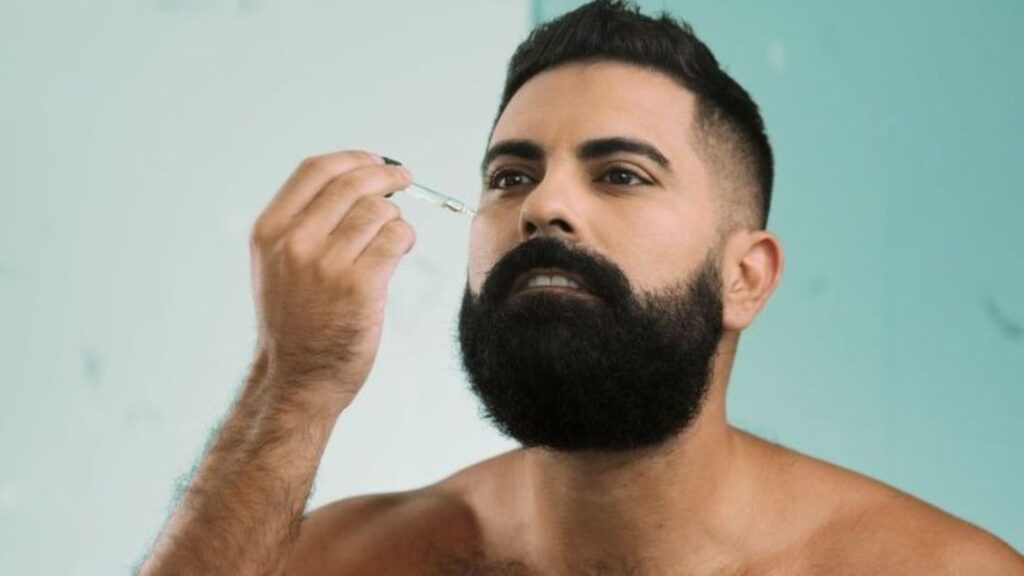
- Apply beard oil daily to moisturize both the hair and underlying skin
- Use a boar bristle brush to distribute natural oils and train hair direction
- Trim regularly to remove split ends and maintain a neat appearance
- Gently exfoliate the skin underneath your beard once a week to avoid ingrown hairs and promote healthier growth.
Choosing the Right Beard Products
Quality products make a noticeable difference in your beard care results. Choose products containing natural ingredients such as jojoba oil, argan oil, and shea butter for best results. Avoid products containing harsh chemicals or artificial fragrances that can irritate skin and damage hair follicles.
Beard balms provide hold and moisture for styling, while beard oils focus on conditioning and softening. Many men benefit from using both products as part of their daily grooming routine.
Addressing Common Beard Growth Challenges
Dealing with Patchy Beards
Patchiness frustrates many men trying to grow a beard. Often, patience solves this problem as hair fills in over several months. Allowing your beard to grow longer can help cover sparse areas naturally.
Consider these solutions for uneven growth:
- Let your beard grow for at least three months before judging its fullness
- Use minoxidil after consulting with a dermatologist for stubborn patches
- Style your beard to complement your natural growth pattern
- Consider derma rolling to stimulate dormant follicles
- Maintain a healthy lifestyle to maximize your genetic potential
When to Seek Professional Advice
If you’ve tried multiple methods without success, consulting a dermatologist is wise. They can check for underlying conditions affecting hair growth and recommend medical treatments if appropriate. Hormonal imbalances or skin conditions sometimes require professional intervention for how to grow a beard effectively.
Conclusion
Learning how to grow a beard requires patience, consistency, and the right approach. Throughout this guide, we’ve explored how genetics, hormones, and lifestyle choices all influence your facial hair development. From optimizing your diet and exercise routine to establishing proper beard care habits, each step brings you closer to achieving fuller, healthier growth.
Remember that how to grow a beard successfully isn’t about quick fixes. It’s about committing to long term habits that support your hair follicles and overall health. Whether you’re dealing with patchy areas or simply want thicker coverage, the proven methods discussed here work for men at any age. Stay patient, remain consistent with your grooming routine, and your beard will reward your efforts.