
Understanding the distinction between hygiene vs grooming transforms how you approach personal care fundamentally. While most people use these terms interchangeably, they represent entirely different dimensions of your wellness routine. One focuses on preventing disease and maintaining body cleanliness, while the other enhances your appearance and self-presentation. This confusion often leads to imbalanced routines that neglect critical health practices or overlook confidence-building rituals.
This comprehensive guide breaks down the scientific and practical differences between these essential concepts. You will discover evidence-based protocols, learn how each category affects your skin health and overall wellbeing, and develop systematic approaches to integrate both seamlessly. Whether you seek to optimize your daily self-care habits or understand the biochemical reasoning behind each practice, this article delivers actionable insights backed by dermatological expertise. Your journey toward holistic personal wellness begins here.
Understanding the Core Definitions and Fundamental Differences
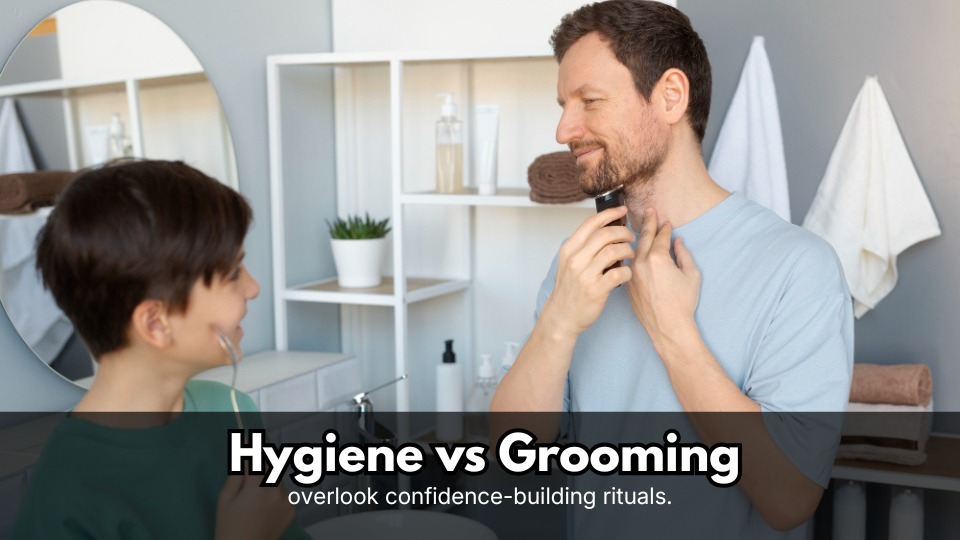
The concept of hygiene vs grooming represents two pillars of personal care that serve distinct purposes in your daily routine. Hygiene refers to practices that maintain cleanliness and prevent the spread of disease-causing pathogens. This includes handwashing, bathing, oral care, and sanitization protocols that protect your body from harmful microorganisms. These actions directly impact your physical health and reduce infection risks.
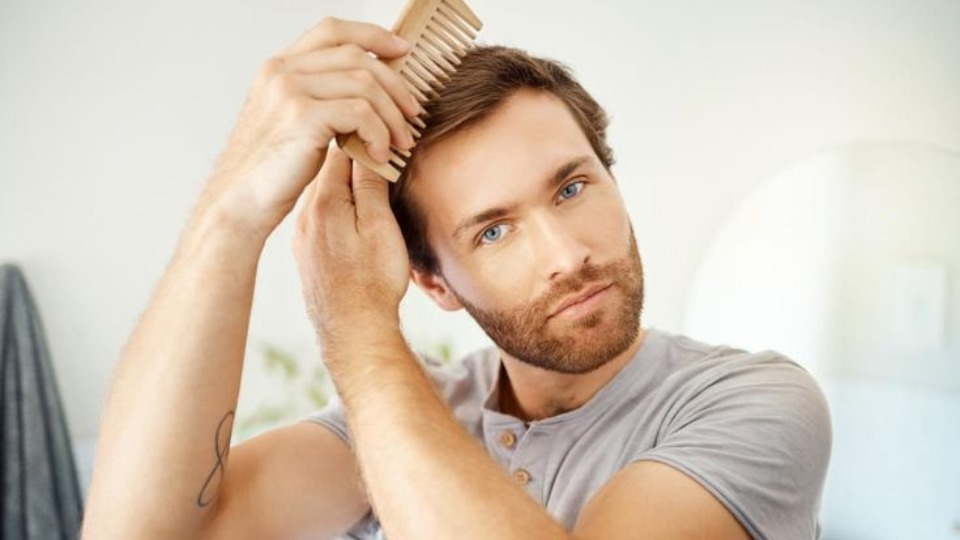
Grooming encompasses aesthetic enhancement activities designed to improve your outward appearance. Haircuts, styling, skincare routines focused on beauty, nail shaping, and facial hair maintenance fall under this category. While grooming contributes to psychological wellbeing and social confidence, it does not directly prevent illness. Understanding hygiene vs grooming helps you allocate time and resources appropriately across both domains.
The intersection between these concepts creates confusion because many activities appear to overlap. Showering serves hygienic purposes by removing bacteria, yet the products you choose and post-shower rituals often lean toward grooming territory. Recognizing where one ends and the other begins empowers you to build comprehensive self care practices.
Historical Evolution of Personal Care Practices
Ancient Civilizations and Early Rituals
Personal cleanliness standards have evolved dramatically across millennia. Ancient Egyptians prioritized both domains, using natron for cleansing while applying kohl and oils for aesthetic purposes. Roman bathhouses served dual functions, providing sanitation alongside social grooming activities. These civilizations understood that body maintenance required attention to health and appearance simultaneously.
Medieval Europe experienced a regression in hygienic practices due to misconceptions about water transmitting disease. Grooming, however, persisted among nobility through perfumes and elaborate hairstyles. This historical divergence demonstrates how hygiene vs grooming followed separate trajectories based on cultural beliefs and scientific understanding.
Modern Developments and Scientific Advancements
The nineteenth century brought germ theory, revolutionizing cleanliness protocols forever. Louis Pasteur and Joseph Lister established connections between microorganisms and infection. This scientific foundation transformed daily washing from optional preference to health necessity. Simultaneously, the cosmetics industry expanded grooming options exponentially.
Today, dermatological research continues refining our understanding of skin barrier function and microbiome health. Modern approaches to hygiene vs grooming incorporate biochemical knowledge that previous generations lacked entirely.
Why Distinguishing Between These Concepts Matters
Failing to differentiate hygiene vs grooming leads to problematic routines that compromise either health or confidence. Some individuals over-groom while neglecting fundamental sanitization steps. Others maintain excellent cleanliness but ignore appearance-related practices that support mental wellness.
Your skin microbiome requires balanced care that neither strips protective bacteria through excessive washing nor allows pathogenic overgrowth through insufficient cleansing. Grooming products containing harsh chemicals can disrupt this delicate ecosystem when applied without understanding their biological effects.
Professional environments increasingly recognize that personal presentation influences career advancement. However, arriving impeccably styled while harboring poor dental hygiene or body odor creates contradictory impressions. Balanced attention to both domains projects competence and self-respect authentically.
Comprehensive Benefits of Mastering Both Domains
Physical Health Advantages
Proper sanitation practices deliver measurable health outcomes that protect you daily.
- Regular handwashing reduces respiratory infection transmission by approximately forty percent according to public health research
- Oral hygiene maintenance prevents periodontal disease linked to cardiovascular complications
- Appropriate bathing frequency supports skin barrier integrity while controlling bacterial populations
- Clean clothing and bedding reduce allergen exposure and dermatological irritation
- Nail cleanliness prevents pathogen transfer during food preparation and face touching
Psychological and Social Benefits
Grooming rituals contribute significantly to mental health and interpersonal success. Looking presentable elevates mood through dopamine release associated with positive self-perception. Social interactions improve when you feel confident about your appearance. Professional relationships benefit from polished presentation that signals attention to detail.
The hygiene vs grooming balance also affects intimate relationships where partners notice both cleanliness and aesthetic effort. Neglecting either dimension creates barriers to connection that extend beyond surface impressions.
Common Challenges and Practical Solutions
Time Management Obstacles
Many individuals cite insufficient time for comprehensive personal care regimens. Streamlining routines requires identifying which practices deliver maximum impact. Morning protocols should prioritize essential sanitation while evening routines can emphasize restorative grooming treatments.
Combining activities where possible increases efficiency without sacrificing thoroughness. Shower time can incorporate both cleansing and exfoliation seamlessly when products are organized strategically.
Product Selection Confusion
The overwhelming marketplace of personal care products creates decision paralysis for consumers. Understanding hygiene vs grooming purposes helps categorize purchases appropriately. Antibacterial soaps serve different functions than moisturizing body washes despite similar packaging.
Ingredient literacy becomes essential for selecting formulations that support your specific needs. Dermatologist recommendations provide guidance when navigating complex product landscapes.
Budget Constraints
Quality personal care need not require excessive spending. Prioritizing fundamental cleanliness products ensures health protection regardless of grooming budget limitations. Generic alternatives often contain identical active ingredients to premium brands at fraction costs.
Investing selectively in grooming items that deliver visible results maximizes limited resources. Understanding hygiene vs grooming priorities helps allocate funds toward products that genuinely matter for your individual circumstances and wellness goals.
Conclusion
Mastering the distinction between hygiene vs grooming empowers you to build comprehensive personal care routines that protect health while enhancing confidence. Throughout this guide, you discovered how sanitation practices prevent disease transmission while aesthetic rituals support psychological wellbeing and social success. Both domains require intentional attention for optimal wellness outcomes.
Your daily self care habits should balance fundamental cleanliness protocols with appearance-focused rituals that reflect your personal standards. Understanding hygiene vs grooming prevents neglecting either critical dimension of body maintenance. Implement these systematic approaches consistently, and you will experience improved skin health, elevated confide