

Designing an effective weekly exfoliating routine demands understanding the delicate balance between removing dead cells and protecting your skin’s beneficial bacterial ecosystem. Aggressive exfoliation practices often compromise barrier integrity causing more harm than visible improvement.Modern dermatological science reveals that sustainable exfoliation requires microbiome preserving approaches maintaining healthy bacterial populations. Your weekly exfoliating routine should enhance cellular turnover without disrupting the protective organisms essential for skin immunity and resilience.
This comprehensive guide explores advanced exfoliation systems that balance efficacy with barrier health maintenance for lasting results. You will discover how enzymatic treatments, gentle acid protocols, and strategic timing influence outcomes dramatically. We examine cellular turnover optimization techniques and stratum corneum remodeling methods backed by clinical evidence. Prepare to transform your approach from potentially damaging practices into scientifically sound protocols supporting long term complexion vitality and sustainable skin health.
The Science Behind Effective Exfoliation Methods
Exfoliation involves removing dead skin cells from the stratum corneum allowing fresher cells beneath to surface visibly. This natural process called desquamation occurs continuously but slows significantly as we age creating dull complexions. Understanding cellular turnover mechanics helps you design protocols maximizing benefits while minimizing potential damage.
Related Article: Are You Exfoliating Skin Too Much? Signs You Need to Know
Your skin sheds approximately forty thousand dead cells every minute under normal healthy conditions. However, factors including aging, dehydration, and environmental exposure impair this natural shedding process considerably. A thoughtfully designed exfoliating routine accelerates removal when natural mechanisms prove insufficient.
Historical exfoliation practices date back thousands of years to ancient Egyptian and Greek civilizations. These cultures utilized abrasive materials including sand, pumice, and crushed shells for skin smoothing purposes. Modern science has refined these concepts dramatically offering gentler yet more effective approaches for contemporary skincare needs.
Understanding Your Skin Microbiome and Exfoliation Impact
The Bacterial Balance Factor
Your skin surface hosts trillions of beneficial microorganisms forming a protective ecosystem essential for health. These bacteria produce antimicrobial compounds, regulate inflammation, and support barrier function continuously. Aggressive exfoliation practices disrupt this delicate community causing cascading negative consequences.
Research demonstrates that harsh weekly exfoliating routine practices significantly reduce bacterial diversity temporarily. This disruption compromises your skin’s natural defense mechanisms leaving complexion vulnerable to pathogens. Microbiome preserving approaches maintain ecosystem integrity while still delivering desired cellular turnover benefits.
How Different Exfoliants Affect Bacterial Populations
Physical scrubs create micro abrasions that damage both skin cells and resident bacterial colonies indiscriminately. Chemical exfoliants generally prove gentler on microbiome populations when formulated and applied appropriately. Enzymatic options demonstrate the least disruptive impact making them ideal for sensitive individuals.
Selecting exfoliation methods respecting your bacterial ecosystem supports long term skin health beyond immediate cosmetic improvements. Your weekly exfoliating routine should prioritize microbiome preservation alongside visible texture enhancement goals. This balanced approach delivers sustainable results without compromising essential protective functions.
Enzymatic Exfoliation for Gentle Cellular Turnover
Plant Derived Enzyme Options
Papain from papaya and bromelain from pineapple dissolve dead cell bonds without mechanical friction or harsh acidity. These proteolytic enzymes work at skin temperature providing controlled exfoliation suitable for sensitive complexions. Incorporating enzymatic treatments into your weekly exfoliating routine minimizes irritation risk significantly.
Pumpkin enzymes offer additional benefits including vitamin content supporting overall skin health during treatment. These botanical options provide effective dead cell removal while nourishing underlying healthy tissue simultaneously. The dual action makes enzymatic exfoliation increasingly popular among skincare professionals.
Application Techniques for Maximum Benefit
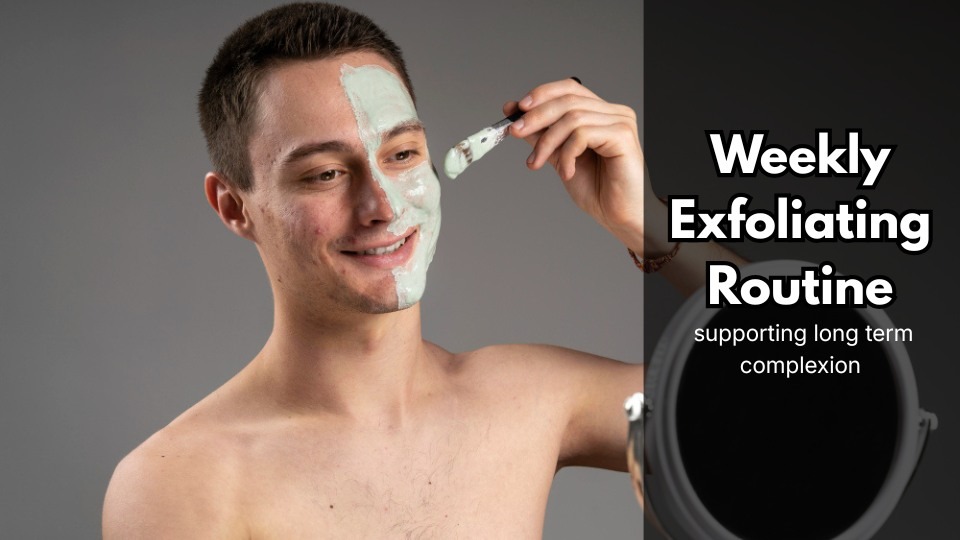
Enzyme masks require adequate contact time allowing proteins to break down cellular adhesions completely. Apply products to clean dry skin leaving in place for recommended duration before gentle removal. Rushing this process reduces effectiveness significantly regardless of product quality.
- Cleanse thoroughly removing all makeup, sunscreen, and surface debris before enzyme application
- Apply thin even layer avoiding delicate eye area and any active breakouts or wounds
- Allow ten to fifteen minutes contact time for optimal enzyme activity on skin surface
- Remove with lukewarm water using soft circular motions without aggressive rubbing
- Follow immediately with hydrating serum and moisturizer supporting barrier recovery
Strategic Acid Exfoliation Protocols
Selecting Appropriate Acid Types
Alpha hydroxy acids including glycolic and lactic acid dissolve bonds between dead cells chemically. These water soluble compounds work on skin surface improving texture, tone, and brightness effectively. Your weekly exfoliating routine might incorporate AHA treatments one to two times depending on tolerance.
Beta hydroxy acid specifically salicylic acid penetrates oil filled pores addressing congestion beneath surface level. This oil soluble compound suits acne prone individuals requiring deeper pore cleansing capabilities. Combining AHA and BHA strategically addresses multiple concerns within comprehensive protocols.

Concentration and pH Considerations
Acid efficacy depends significantly on both concentration percentage and formulation pH levels together. Lower pH increases acid availability for skin penetration potentially causing irritation in sensitive individuals. Your weekly exfoliating routine should begin conservatively increasing intensity gradually as tolerance develops.
Professional treatments utilize higher concentrations than home use products for intensified results. However, improper application of strong acids causes chemical burns and lasting damage potentially. Respecting concentration guidelines protects your barrier health while still achieving meaningful improvements.
Building Your Personalized Exfoliation Schedule
Creating effective protocols requires assessing your individual skin type, concerns, and sensitivity levels accurately. Oily resilient complexions tolerate more frequent exfoliation than dry sensitive alternatives typically. Your weekly exfoliating routine should reflect these personal characteristics rather than following generic recommendations blindly.
Seasonal adjustments prove necessary as environmental conditions affect skin behavior throughout the year. Winter months often require reduced exfoliation frequency due to compromised barrier function from cold exposure. Adapting your weekly exfoliating routine to changing conditions maintains optimal results continuously.
Common Mistakes Compromising Barrier Health
Over exfoliation represents the most frequent error damaging skin barrier integrity significantly. Signs including persistent redness, increased sensitivity, and unusual breakouts indicate excessive treatment frequency. Reducing your weekly exfoliating routine intensity allows barrier recovery restoring healthy function.
Combining multiple exfoliating products simultaneously overwhelms skin causing inflammation and lasting damage potentially. Using physical scrub followed immediately by acid treatment creates compounded irritation unnecessarily. Strategic separation of different exfoliation methods protects barrier health while maximizing individual treatment benefits.
Neglecting post exfoliation hydration leaves newly exposed cells vulnerable to environmental damage significantly. Your weekly exfoliating routine must include robust moisturization supporting barrier reconstruction following treatment. This essential step determines whether exfoliation improves or ultimately harms your complexion.
Conclusion:
Developing a microbiome preserving weekly exfoliating routine transforms your approach from potentially damaging practices into sustainable skin health protocols. Understanding enzymatic treatments, strategic acid application, and proper timing ensures effective cellular turnover without compromising barrier integrity.
Your commitment to balanced exfoliation respecting bacterial ecosystems delivers lasting improvements beyond temporary surface enhancements. Selecting appropriate methods based on individual skin type and seasonal conditions maximizes results while minimizing irritation risks.Remember that effective weekly exfoliating routine practices prioritize long term barrier health over aggressive immediate results. Embrace gentle consistent approaches supporting your microbiome and stratum corneum function. Invest in sustainable exfoliation systems today for resilient, radiant complexion health lasting years ahead.