
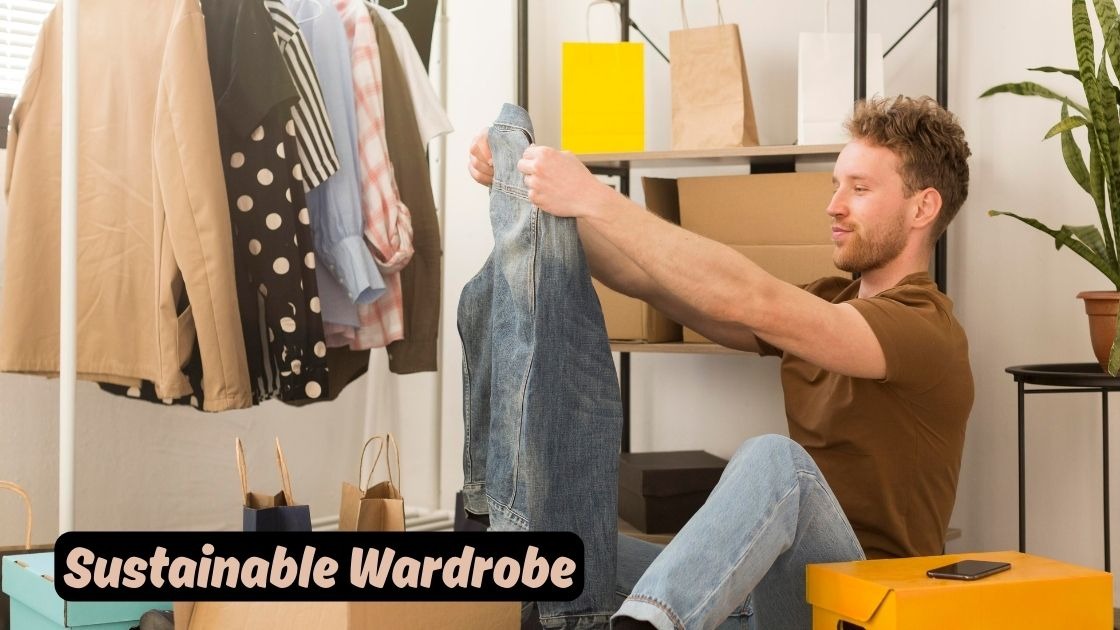

A decade ago, I opened my overstuffed closet and felt genuinely overwhelmed by clothes I barely wore that moment sparked my journey toward building a sustainable wardrobe that would transform how I think about fashion entirely. The fast fashion industry produces staggering amounts of textile waste each year, and many of us unknowingly contribute to this environmental crisis through impulse purchases and trend-chasing habits.
This article shares the practical lessons I’ve gathered over ten years of embracing ethical fashion choices. You’ll discover how to curate a capsule wardrobe, identify eco-friendly fabrics, support slow fashion brands, and make mindful clothing investments that actually last. Whether you’re just starting your conscious fashion journey or looking to refine your approach to secondhand shopping, these insights will help you dress thoughtfully while reducing your environmental footprint without sacrificing personal style.
What Is a Sustainable Wardrobe and Why Does It Matter
A sustainable wardrobe consists of clothing pieces chosen with environmental and ethical considerations at the forefront of every decision. Rather than chasing fleeting trends, this approach prioritizes quality over quantity, longevity over disposability, and conscious consumption over mindless shopping sprees.
The fashion industry ranks among the world’s largest polluters, contributing approximately ten percent of global carbon emissions annually. Fast fashion encourages consumers to purchase cheap, poorly made garments that quickly end up in landfills. By contrast, building a sustainable wardrobe directly combats this cycle by reducing demand for disposable clothing and supporting brands that prioritize environmental responsibility.
The Environmental Impact of Fashion Choices
Every garment carries an environmental footprint from production to disposal. Cotton farming consumes enormous water resources, synthetic fabrics shed microplastics during washing, and textile dyeing pollutes waterways across manufacturing regions. When you commit to a sustainable wardrobe, you actively participate in reducing these harmful impacts through intentional purchasing decisions.
Key Principles of Building a Sustainable Wardrobe
Creating an ethical closet requires understanding several foundational concepts that guide mindful fashion choices. These principles have shaped my approach over the past decade and continue informing every clothing decision I make.
Quality Over Quantity
Investing in well made garments from reputable brands ensures your clothes withstand years of regular wear. A single high quality wool coat can outlast dozens of cheaply constructed alternatives, ultimately saving money while reducing waste. This mindset shift forms the cornerstone of any successful sustainable wardrobe journey.
Versatility and Timeless Design
Selecting pieces that work across multiple outfits and occasions maximizes the value of each purchase. Classic silhouettes and neutral colors create endless mixing possibilities, eliminating the perceived need for constant wardrobe refreshes.
Steps to Start Your Sustainable Wardrobe Journey
Transitioning toward ethical fashion does not require discarding everything you currently own. Instead, follow this gradual approach that respects both your budget and existing belongings.
Conduct a Thorough Closet Audit
Before purchasing anything new, examine what already fills your wardrobe. Identify pieces you genuinely love and wear regularly versus items gathering dust. This assessment reveals gaps worth filling and highlights patterns in your style preferences.
Establish Your Personal Style Foundation
Understanding your aesthetic preferences prevents future purchasing mistakes. Consider which colors complement your complexion, which silhouettes flatter your body type, and which fabrics feel comfortable against your skin. This knowledge streamlines shopping decisions considerably.
Research Ethical Brands and Materials
Not all sustainable fashion claims hold equal weight. Learn to identify genuinely eco friendly fabrics like organic cotton, linen, hemp, and recycled materials. Research brand certifications and manufacturing practices before making purchases.
Essential Components of a Capsule Wardrobe
A capsule wardrobe contains carefully curated pieces that combine seamlessly for numerous outfit possibilities. Here are the fundamental items worth prioritizing:
- Well fitted jeans in a classic wash that flatters your shape
- Quality white and black t shirts made from organic cotton
- A versatile blazer suitable for professional and casual settings
- Comfortable yet polished trousers in neutral tones
- A timeless outerwear piece appropriate for your climate
These foundational garments form the backbone of a functional sustainable wardrobe that serves you across seasons and occasions.
Practical Tips for Maintaining Your Ethical Closet
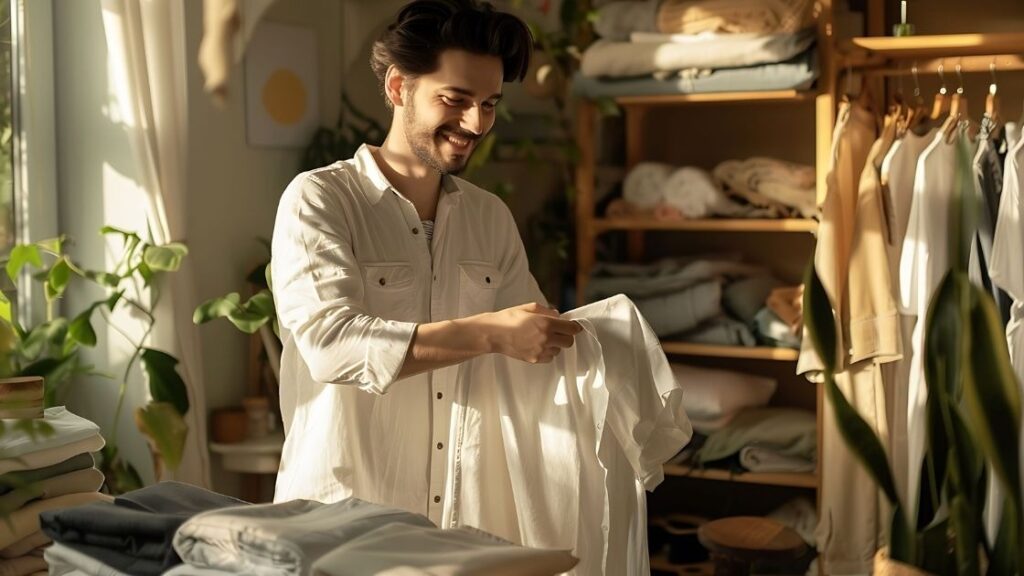
Sustainability extends beyond purchasing decisions into how you care for existing garments. Proper maintenance significantly extends clothing lifespan, maximizing your investment while minimizing waste.
Washing and Storage Best Practices
Overwashing damages fabrics prematurely and wastes water and energy. Spot clean when possible, wash in cold water, and air dry delicate items. Store seasonal pieces properly to prevent deterioration during months of non use.
Repair Rather Than Replace
Learning basic mending skills empowers you to fix minor damage instead of discarding otherwise functional garments. Simple tasks like replacing buttons, patching small holes, and hemming lengths keep clothes in rotation longer.
Overcoming Common Challenges
Building a sustainable wardrobe presents genuine obstacles worth acknowledging. Budget constraints make ethical fashion seem inaccessible, as responsibly made clothing typically costs more than fast fashion alternatives. However, secondhand shopping through thrift stores and online resale platforms offers affordable solutions.
Limited style options previously hindered sustainable fashion adoption, though this landscape has dramatically improved. Today, ethical brands offer diverse aesthetics ranging from minimalist basics to bold statement pieces, ensuring everyone finds options matching their personal taste.
Conclusion
Building a sustainable wardrobe represents more than a passing trend it reflects a meaningful commitment to environmental responsibility and mindful consumption. Throughout this guide, we explored conducting closet audits, investing in quality pieces, embracing capsule wardrobes, and maintaining garments properly to extend their lifespan.
Your journey toward ethical fashion does not require perfection or overnight transformation. Small, consistent choices compound over time, creating significant positive impact. By prioritizing eco friendly fabrics, supporting slow fashion brands, and choosing secondhand options when possible, you contribute to reducing the fashion industry’s environmental footprint while cultivating a wardrobe that genuinely reflects your values and personal style.