
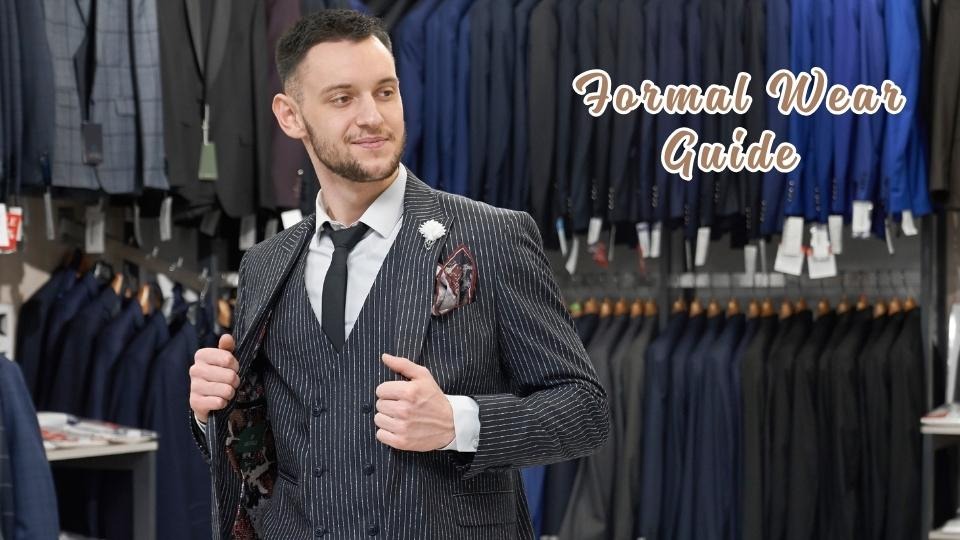
A formal wear guide draws from two decades of professional styling experience to help you navigate every elegant occasion with confidence. Whether you’re attending a corporate gala, wedding reception, or executive dinner, understanding proper dress codes transforms how others perceive you.
Throughout this article, you’ll discover how to select the perfect men’s dress clothes, master suit fitting tips, and decode confusing invitation terminology like “cocktail attire” and “business formal.” We’ll explore essential tuxedo styling techniques, guide you through building a versatile evening wear wardrobe, and share insider secrets for accessorizing like a true gentleman. By the end of this comprehensive guide, you’ll possess the knowledge to dress impeccably for any sophisticated gathering without second-guessing yourself.
Understanding Formal Wear Guide: The Foundation of Elegant Dressing
A formal wear guide serves as your roadmap to navigating sophisticated dress codes with ease. Formal attire encompasses clothing designed for ceremonial events, upscale gatherings, and professional occasions requiring elevated presentation. The distinction between looking appropriate and looking exceptional often comes down to understanding these fundamental principles.
Throughout history, formal dress codes evolved from European aristocratic traditions into the refined standards we recognize today. The modern tuxedo emerged in the 1880s, while business formal attire developed alongside corporate culture in the twentieth century. Understanding this background helps you appreciate why certain rules exist and when bending them works in your favor.
Why Mastering Formal Attire Matters
Your appearance communicates volumes before you speak a single word. Professional settings demand polished presentation, and social events often carry unwritten expectations about appropriate dress. A solid formal wear guide empowers you to make memorable first impressions while feeling comfortable in your own skin.
Beyond personal confidence, dressing appropriately shows respect for hosts and fellow guests. It signals that you understand social nuances and care enough to prepare properly. This attention to detail often translates into professional opportunities and stronger personal connections.
Decoding Dress Code Categories
White Tie: The Pinnacle of Formality
White tie stands as the highest level of formality in dress code standards. This rare category requires a black tailcoat, white piqué vest, wing collar shirt, and white bow tie. Reserve this ensemble for state dinners, royal events, or the most prestigious galas.
Black Tie: Classic Evening Elegance
Black tie remains the most common formal dress code for evening events. Your formal wear guide should emphasize that a well fitted tuxedo with satin lapels, matching trousers with a silk stripe, and a black bow tie creates the quintessential look. Patent leather shoes and minimal accessories complete this timeless presentation.
Black Tie Optional and Creative Black Tie
These flexible categories allow either a tuxedo or a dark formal suit. Creative black tie invites subtle personal expression through colored accessories, textured fabrics, or unique pocket squares while maintaining overall elegance.
Business Formal and Cocktail Attire
Business formal calls for a dark suit, conservative tie, and polished dress shoes. Cocktail attire sits between business formal and black tie, permitting slightly more fashionable choices like patterned ties or lighter suit colors for daytime events.

Essential Components of a Formal Wardrobe
Building a versatile collection requires strategic investment in quality pieces. Your formal wear guide should prioritize these foundational items that serve multiple occasions.
- A navy or charcoal wool suit with modern tailoring that flatters your body type
- A classic black tuxedo with peak or shawl lapels for true formal events
- White and light blue dress shirts in both spread and point collar styles
- Quality leather dress shoes in black and dark brown with proper construction
- Silk ties, bow ties, and pocket squares in versatile colors and patterns
The Importance of Proper Fit
No formal wear guide proves complete without addressing fit. Even expensive garments look mediocre when sized incorrectly. Jacket shoulders should align with your natural shoulders, sleeves should reveal about half an inch of shirt cuff, and trousers should break slightly at the shoe.
Working with a Tailor
Developing a relationship with a skilled tailor transforms off the rack purchases into custom looking pieces. Budget for alterations when purchasing formal clothing, as adjustments to the waist, sleeves, and hem make dramatic differences in your overall appearance.
Accessorizing with Sophistication
Accessories elevate formal attire from ordinary to distinguished. A quality timepiece, understated cufflinks, and properly tied neckwear demonstrate attention to detail. Your formal wear guide recommends keeping jewelry minimal and ensuring metals coordinate throughout your outfit.
Common Mistakes to Avoid
Many gentlemen undermine their formal presentation through easily preventable errors.
- Wearing white athletic socks instead of dark dress socks that match trouser color
- Choosing ties that extend below or significantly above the belt buckle
- Neglecting shoe maintenance including polishing, conditioning, and proper storage
- Over accessorizing with excessive rings, bracelets, or flashy cufflinks
- Ignoring grooming details like wrinkled shirts, scuffed shoes, or unkempt hair
Seasonal Considerations for Formal Dressing
Summer events call for lighter weight fabrics like cotton, linen blends, and tropical weight wool. Your formal wear guide suggests lighter colors for daytime gatherings while maintaining darker tones for evening affairs. Winter occasions permit heavier fabrics, layering with vests, and richer textures like velvet for accessories.
Conclusion
A comprehensive formal wear guide transforms uncertainty into confidence whenever sophisticated occasions arise. Throughout this article, you’ve learned to decode dress codes from white tie to cocktail attire, build a versatile wardrobe with essential pieces, and avoid common styling mistakes that undermine polished presentation.
Remember that proper fit remains paramount regardless of price point, and developing a relationship with a skilled tailor elevates your entire collection. Your investment in understanding formal wear principles pays dividends through stronger first impressions, professional opportunities, and genuine self assurance.
Now you possess the knowledge to dress impeccably for any elegant gathering. Start building your refined wardrobe today and step into every formal event looking exceptional.