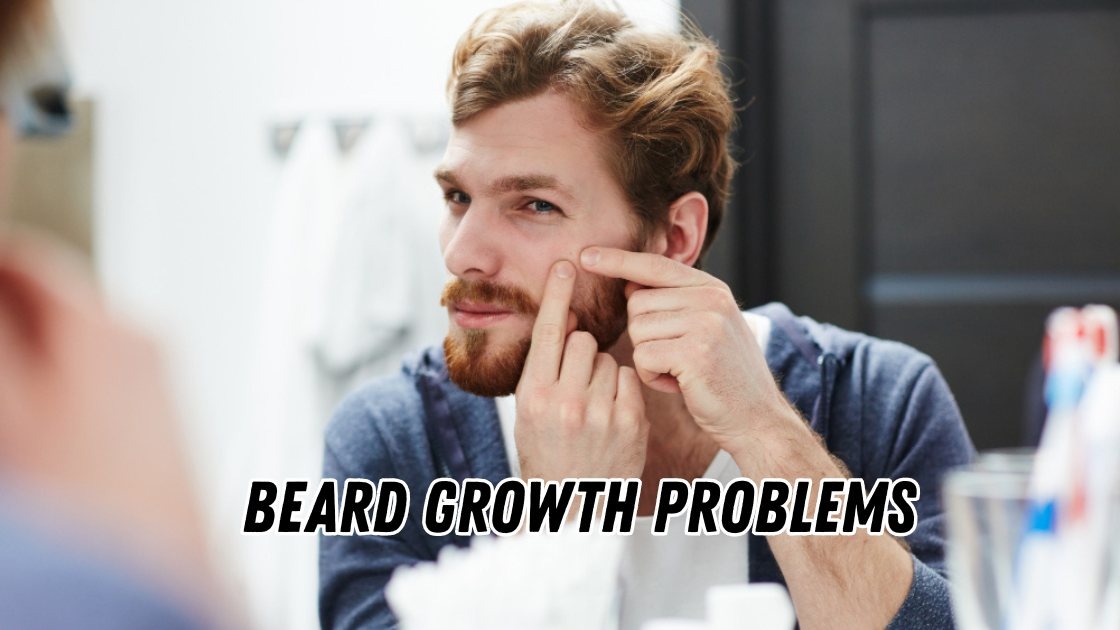

Experiencing beard growth problems frustrates millions of men worldwide who desire fuller, thicker facial hair but struggle achieving their grooming goals despite trying countless products. Understanding the underlying biological mechanisms reveals why some men grow impressive beards effortlessly while others face persistent challenges.
Most conventional advice focuses on superficial treatments without addressing root causes determining facial hair development potential. True solutions require examining hormonal imbalances, testosterone levels, and inherited traits influencing follicle behavior.
Beard growth problems often stem from complex interactions between androgen receptor sensitivity, DHT production, and genetic predisposition factors that simple grooming products cannot overcome. This comprehensive guide explores advanced hormonal analysis methods, nutrient deficiency connections, and follicle stimulation therapies backed by scientific research. You will discover how identifying your specific biological barriers enables targeted interventions producing measurable improvements rather than wasting money on ineffective generic solutions.
Understanding the Biological Foundation of Beard Growth Problems
Facial hair growth represents a complex biological process governed by multiple interconnected systems within the male body. Beard growth problems occur when any component of this intricate mechanism fails functioning optimally, resulting in patchy coverage, slow development, or complete absence of facial hair in certain areas. Understanding these foundational elements enables targeted interventions addressing specific underlying causes.
The hair follicle lifecycle consists of three distinct phases determining growth patterns and density across facial regions. Anagen represents the active growth phase lasting several years, while catagen signals transition periods preceding telogen resting phases. Disruptions to these cycles directly impact beard fullness and coverage quality.
Every man possesses unique biological characteristics influencing his facial hair potential regardless of grooming habits or product usage. Recognizing this individuality helps establish realistic expectations while identifying modifiable factors within personal control.
The Evolution of Facial Hair Research
Scientific understanding of male facial hair has advanced dramatically as researchers uncovered hormonal and genetic mechanisms previously misunderstood.
From Folk Remedies to Evidence-Based Solutions
Historical approaches to beard growth problems relied primarily on unproven folk remedies passed between generations without scientific validation. Men applied various oils, herbs, and concoctions hoping to stimulate facial hair development with inconsistent and often disappointing results.
Modern dermatological research transformed this landscape by identifying specific biological pathways governing follicle activation and hair production. Scientists discovered that testosterone levels and their conversion to dihydrotestosterone play crucial roles in determining facial hair characteristics.
This scientific foundation enables healthcare providers recommending treatments targeting actual causes rather than simply masking symptoms through cosmetic approaches.
Emergence of Genetic Testing Technologies
Advanced DNA analysis now reveals inherited traits influencing individual beard development potential with remarkable accuracy.
Genetic predisposition factors account for significant variations in facial hair density, color, and growth patterns between men sharing similar hormonal profiles. Beard growth problems frequently trace back to inherited characteristics limiting follicle density or sensitivity regardless of intervention efforts.
Commercial genetic testing services now offer insights into hair-related genes helping men understand their biological potential realistically.
Why Hormonal Balance Determines Beard Development Success
Hormones serve as chemical messengers directing follicle behavior throughout facial regions where beard hair potentially develops.
Beard growth problems often originate from hormonal imbalances disrupting signals necessary for robust facial hair production. Understanding these connections reveals why some interventions succeed while others fail completely.
Several hormonal factors significantly influence beard development outcomes:
- Testosterone production levels establishing baseline potential for facial hair follicle activation and sustained growth
- DHT production rates determining terminal hair conversion from vellus fuzz into thick visible beard strands
- Androgen receptor sensitivity affecting how effectively follicles respond to circulating hormonal signals
- Cortisol elevation from chronic stress suppressing testosterone production and disrupting healthy hair cycles
- Thyroid function imbalances affecting metabolic processes essential for protein synthesis supporting hair growth
Beard growth problems stemming from hormonal causes often respond well to medical interventions restoring optimal balance.
Advanced Diagnostic Approaches for Identifying Root Causes
Accurate diagnosis requires systematic evaluation beyond superficial observation of facial hair patterns.
Comprehensive Hormonal Analysis Methods
Blood testing reveals circulating hormone levels providing objective data guiding treatment decisions effectively.
Standard panels measure total and free testosterone, DHT, thyroid hormones, and cortisol levels identifying deficiencies or imbalances contributing to beard growth problems. These quantitative measurements replace guesswork with evidence-based assessment protocols.
Interpreting results requires understanding normal ranges while recognizing that optimal levels differ from merely adequate measurements. Men experiencing suboptimal facial hair development often fall within technically normal ranges but below thresholds supporting robust growth.
Trichologist Consultation Benefits
Specialized hair health professionals offer expertise beyond general dermatology training for complex cases.
Trichologists examine scalp and facial hair using magnification devices assessing follicle health, density distribution, and growth cycle staging. Beard growth problems benefit from this detailed analysis identifying specific abnormalities requiring targeted interventions.
Professional consultations provide personalized recommendations based on individual assessment findings rather than generic advice applicable to average populations.
Evidence-Based Treatment Protocols for Improved Results
Scientific research supports several interventions demonstrating measurable improvements for men experiencing facial hair challenges.
Minoxidil Application Strategies
This FDA-approved topical medication stimulates follicle activity and blood circulation promoting enhanced hair development.
Originally developed for scalp hair loss treatment, minoxidil demonstrates effectiveness for facial hair improvement when applied consistently according to established protocols. Beard growth problems respond to this intervention through extended anagen phase duration and follicle miniaturization reversal.
Application requires patience as visible results typically emerge after three to six months of daily consistent usage.
Microneedling Collagen Induction Therapy
Controlled micro-injuries trigger natural healing responses stimulating follicle regeneration and growth factor production.
Derma rolling devices create tiny punctures prompting increased blood flow and collagen synthesis in treated facial areas. This follicle stimulation therapy enhances absorption of topical treatments while independently promoting hair development.
Proper technique and hygiene practices prevent complications while maximizing therapeutic benefits from microneedling protocols.
Addressing Nutritional Deficiencies Affecting Facial Hair
Diet significantly impacts hair health through nutrient availability supporting follicle function and keratin production.
Essential Vitamins and Minerals
Specific micronutrients play direct roles in hair growth cycles and structural integrity.
Biotin supplementation supports keratin production forming the structural foundation of hair strands. Zinc deficiency commonly correlates with beard problems while iron and vitamin D insufficiencies impair follicle function.
Blood testing identifies specific deficiencies enabling targeted supplementation rather than wasteful broad-spectrum approaches.

Protein Intake Optimization
Hair consists primarily of protein requiring adequate dietary intake supporting continuous production demands.
Men experiencing inadequate facial hair development should evaluate protein consumption ensuring sufficient amino acid availability. Beard growth problems sometimes resolve simply through dietary modifications addressing previously unrecognized nutritional gaps.
Quality protein sources include lean meats, fish, eggs, legumes, and dairy products providing essential building blocks for healthy hair.
Managing Expectations and Timeline Realities
Realistic understanding of achievable outcomes prevents frustration while maintaining motivation throughout improvement journeys.
Genetic predisposition factors establish upper limits that no intervention can exceed regardless of effort invested. Some men possess biological characteristics preventing full beard development despite optimal hormonal status and perfect health habits.
Beard growth require patience as most treatments demonstrate results over months rather than weeks. Consistent application of evidence-based protocols produces gradual improvements compounding into significant transformations over extended timeframes.
Conclusion:
Addressing beard growth problems effectively requires understanding the complex biological mechanisms governing facial hair development rather than relying on superficial cosmetic solutions. Comprehensive hormonal analysis, genetic predisposition evaluation, and professional trichologist consultations reveal specific root causes enabling targeted interventions. Evidence-based treatments including minoxidil application, microneedling therapy, and biotin supplementation demonstrate measurable improvements when applied consistently over time. Correcting nutrient deficiencies and optimizing testosterone levels further enhance follicle stimulation and DHT production supporting robust beard development. While beard growth frustrate many men, scientific approaches addressing underlying causes produce meaningful results respecting individual biological limitations and realistic timeline expectations.