
Learning how to grow a beard when patchy represents a common challenge affecting millions of men who desire fuller facial hair but struggle with uneven coverage and bare spots. The frustration of watching certain areas flourish while others remain stubbornly sparse drives many toward ineffective quick-fix solutions.
Most generic grooming advice fails addressing the underlying biological factors causing patchiness in the first place. Successful transformation requires combining lifestyle modifications with proven clinical treatment options targeting root causes systematically.
Understanding how to grow a beard when patchy demands knowledge of minoxidil application protocols, microneedling therapy, and hormonal optimization strategies backed by scientific research. This comprehensive guide explores follicle stimulation techniques, nutrient supplementation, and dermatologist-approved treatments that produce measurable results. You will discover how integrating daily habits with medical interventions creates synergistic effects transforming patchy coverage into fuller, more uniform beard growth over realistic timeframes.
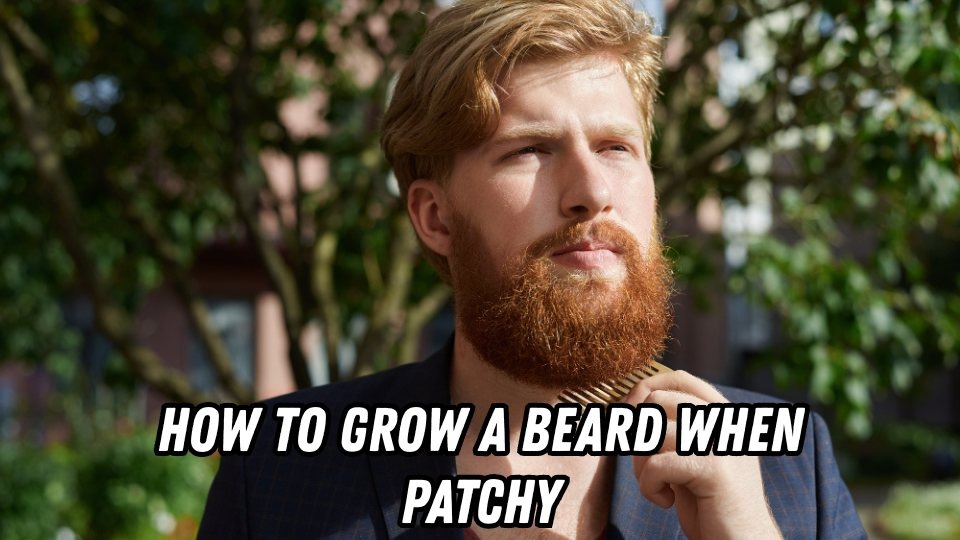
Understanding How to Grow a Beard When Patchy
Facial hair development varies dramatically between individuals due to complex interactions between genetics, hormones, and environmental factors. Understanding how to grow a beard when patchy begins with recognizing that uneven coverage stems from specific biological causes rather than personal grooming failures. This knowledge foundation enables selecting appropriate interventions targeting actual underlying mechanisms.
Patchy beards occur when certain facial areas contain fewer active follicles or when existing follicles remain dormant in vellus hair stages rather than converting to terminal beard strands. The distribution of androgen receptors across facial regions determines which areas respond strongly to hormonal signals promoting hair growth.
Every man possesses unique follicle distribution patterns inherited from parents and ancestors. Recognizing this genetic component helps establish realistic expectations while identifying modifiable factors within personal control through lifestyle modifications and clinical treatment options.
The Science Behind Follicle Activation and Conversion
Modern research has revealed precise mechanisms governing facial hair development that inform effective intervention strategies.
Vellus to Terminal Hair Transformation
Facial follicles produce two distinct hair types with dramatically different visual characteristics affecting beard appearance.
Vellus hairs appear as fine, light, nearly invisible fuzz covering facial skin before puberty and in areas where beard growth remains incomplete. Learning how to grow a beard when patchy involves stimulating conversion of these vellus follicles into terminal hair producing thick, pigmented strands visible as proper beard coverage.
Dihydrotestosterone triggers this transformation by binding to androgen receptors within follicle cells initiating genetic expression changes. Men with lower receptor sensitivity or DHT production experience slower or incomplete conversion explaining persistent patchiness despite adequate testosterone levels.
Blood Circulation and Nutrient Delivery
Healthy follicles require consistent nutrient supply delivered through robust blood flow to facial skin regions.
Poor circulation limits oxygen and essential building blocks reaching hair follicles compromising their growth potential. Understanding how to grow a beard when patchy includes recognizing that follicle stimulation techniques improving blood flow produce measurable improvements in previously dormant areas.
Microneedling therapy and facial massage protocols enhance circulation delivering hormones and nutrients more effectively to struggling follicles.
Essential Lifestyle Modifications Supporting Beard Development
Daily habits significantly impact hormonal balance and follicle health determining beard growth outcomes over time.
Learning how to grow a beard when patchy requires addressing foundational lifestyle factors before adding clinical interventions for maximum effectiveness.
Several lifestyle modifications produce meaningful improvements in facial hair development:
- Quality sleep optimization ensuring seven to nine hours nightly supporting testosterone production and cellular regeneration processes
- Regular resistance exercise stimulating natural hormone production and improving overall blood circulation throughout the body
- Stress management practices reducing cortisol levels that suppress testosterone and disrupt healthy hair growth cycles
- Hydration maintenance supporting skin health and nutrient transport to facial hair follicles consistently
- Smoking cessation eliminating circulation impairment and oxidative stress damaging follicle function progressively
These foundational changes create optimal conditions for clinical treatment options delivering enhanced results.
Clinical Treatment Protocols for Patchy Beard Improvement
Evidence-based medical interventions offer powerful tools for men seeking significant facial hair transformation beyond lifestyle changes alone.
Minoxidil Application Strategies
This topical medication remains the most widely researched and effective treatment for stimulating facial hair growth in patchy areas.
Originally developed for scalp hair loss, minoxidil demonstrates remarkable effectiveness when applied to facial regions following proper protocols. Understanding how to grow a beard when patchy through minoxidil requires commitment to consistent twice-daily application over extended periods typically spanning six to twelve months.
The medication works by extending anagen growth phases while stimulating dormant follicles transitioning from vellus to terminal hair production. Side effects remain minimal for most users though skin dryness may require moisturizer application between treatments.
Microneedling Therapy Implementation
Controlled micro-injuries trigger natural healing responses promoting collagen production and enhanced follicle activity.
Dermarolling devices containing tiny needles create superficial punctures stimulating blood flow and growth factor release in treated areas. This follicle stimulation technique enhances minoxidil absorption while independently promoting hair development through wound healing mechanisms.
Proper needle depth selection and hygiene practices prevent complications while maximizing therapeutic benefits. Sessions performed once or twice weekly produce cumulative improvements over several months of consistent treatment.
Nutritional Optimization for Enhanced Follicle Function
Diet directly impacts hair health through nutrient availability supporting growth cycles and structural integrity.
Critical Vitamins and Minerals
Specific micronutrients play essential roles in facial hair development that supplementation can address effectively.
Biotin supports keratin production forming hair strand structures while zinc deficiency commonly correlates with impaired growth. Understanding how to grow a beard when patchy includes ensuring adequate intake of vitamins D, E, and B-complex nutrients supporting follicle metabolism.
Blood testing identifies specific deficiencies enabling targeted nutrient supplementation rather than wasteful broad-spectrum approaches producing minimal benefit.
Protein and Collagen Support
Hair consists primarily of protein requiring sufficient dietary intake supporting continuous production demands.
Collagen supplementation provides amino acids specifically utilized in hair structure synthesis. Men experiencing patchy coverage should evaluate protein consumption ensuring adequate building blocks reach facial follicles through consistent dietary habits.
Quality protein sources combined with collagen peptides create optimal nutritional environments supporting clinical treatment options effectiveness.

Combining Approaches for Synergistic Results
Integrating multiple interventions produces superior outcomes compared to single treatment approaches used in isolation.
Creating Personalized Treatment Stacks
Individual biological characteristics determine which combination of interventions produces optimal results for each person.
Learning how to grow a beard when patchy most effectively involves layering lifestyle modifications with clinical treatment options addressing multiple growth factors simultaneously. Combining minoxidil application with microneedling therapy while optimizing nutrition creates compounding effects accelerating visible improvements.
Track progress through monthly photographs documenting changes across different facial regions. This documentation reveals which areas respond strongest guiding protocol adjustments maximizing resource investment returns.
Managing Realistic Timeline Expectations
Patience remains essential as biological hair growth processes cannot be rushed regardless of intervention intensity.
Most men notice initial improvements after three months with significant transformation requiring six to twelve months of consistent effort. Understanding how to grow a beard when patchy includes accepting that follicle conversion and density improvements occur gradually through sustained commitment.
Premature abandonment of effective protocols represents the most common reason for treatment failure despite biological potential for success.
Conclusion:
Mastering how to grow a beard when patchy requires understanding the biological mechanisms behind uneven facial hair development and implementing strategic interventions addressing root causes. Combining lifestyle modifications including sleep optimization, stress management, and proper nutrition with clinical treatment options like minoxidil application and microneedling therapy produces synergistic results transforming sparse coverage into fuller beards. Proper nutrient supplementation supporting follicle stimulation and vellus to terminal hair conversion accelerates visible improvements over realistic timeframes. Understanding how to grow a beard when patchy demands patience and consistent commitment, but evidence-based approaches deliver measurable transformations for men willing to follow comprehensive treatment protocols systematically.