

In today’s world, choosing eco-friendly clothing has become more than a trend it’s a lifestyle. Sustainable fashion stores provide shoppers with ethically made apparel, helping reduce environmental impact while supporting fair labor practices. From organic fabrics and recycled materials to timeless, cruelty-free designs, these brands are redefining the way we shop. This article will explore some of the top sustainable fashion stores, highlighting their unique styles, commitment to the planet, and innovative approaches to eco-conscious fashion.
You’ll also discover tips for building a responsible wardrobe, understanding slow fashion principles, and finding affordable yet stylish options. Whether you’re a seasoned eco-shopper or just starting your journey, these stores make it easier to dress responsibly without compromising on style, quality, or personal values.
Understanding Sustainable Fashion Stores
Sustainable fashion stores are retail spaces that prioritize environmental responsibility and ethical practices in clothing production. Unlike conventional fashion outlets, these stores focus on materials and processes that minimize ecological impact. From organic cotton to recycled fabrics, they ensure every item is crafted with care for both people and the planet. Over the past decade, sustainable fashion has grown from a niche market to a global movement, reflecting increasing awareness about climate change, waste reduction, and ethical labor. Choosing sustainable fashion stores allows consumers to align their wardrobe choices with their values, supporting brands that practice transparency and accountability.
Key Features of Eco-Friendly Fashion Stores
Material Selection and Production Methods
Eco-friendly fashion relies on materials like organic cotton, hemp, bamboo, and recycled polyester. Many brands also use low-impact dyes and water-saving techniques, ensuring the clothing is safe for both humans and the environment. By emphasizing craftsmanship and durability, these stores encourage purchases that last longer, promoting the principles of slow fashion.
Transparency and Ethical Practices
A hallmark of sustainable fashion stores is their transparency. They openly share information about sourcing, supply chains, and labor practices. Consumers can trust that workers are paid fairly and work in safe conditions, which enhances the social responsibility of their purchase.
Innovation and Design
Sustainable brands often combine innovation with style. They experiment with circular fashion, upcycling old materials into new products, and creating versatile pieces that reduce the need for excessive consumption. This ensures fashion is not only responsible but also modern and appealing.
Benefits of Shopping at Sustainable Fashion Stores
Choosing these stores offers numerous advantages:
- Supports ethical labor practices and fair wages
- Reduces environmental footprint through eco-friendly materials
- Promotes slow fashion and reduces fast-fashion waste
- Encourages conscious consumerism and thoughtful wardrobe choices
- Provides unique and high-quality clothing options
These benefits extend beyond individual purchases, creating a ripple effect that encourages sustainable practices across the industry.
Common Challenges and Misconceptions
Higher Cost Concerns
Many shoppers assume eco-friendly clothing is expensive. While some premium materials can cost more, investing in quality pieces reduces frequent replacements, making it cost-effective over time.
Limited Availability
Another challenge is accessibility. Not all cities have stores nearby, but online platforms have expanded reach, providing a wider selection to conscious consumers.
Mislabeling and Greenwashing
Some brands exaggerate sustainability claims to attract customers. Learning to read labels, verify certifications, and research store practices can help shoppers avoid misleading claims.
Types of Sustainable Fashion Stores
Physical Stores
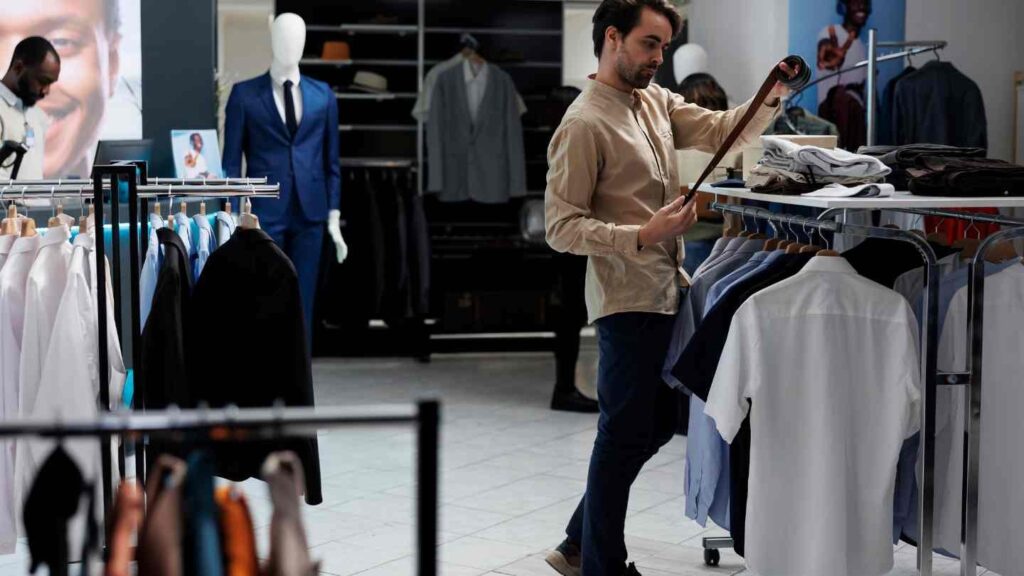
These include boutique shops and larger retail chains dedicated to ethical clothing. Physical stores allow consumers to feel fabrics, check fit, and interact with knowledgeable staff.
Online Marketplaces
Digital platforms provide convenience and variety. They often feature curated collections, sustainable brands from different regions, and detailed product information.
Specialty Stores
Some outlets focus on specific types of clothing like activewear, casual wear, or accessories, catering to niche consumer needs while maintaining eco-conscious standards.
How to Choose the Right Store
When selecting sustainable fashion stores, it’s important to consider several key factors. Check materials and certifications such as GOTS, Fair Trade, or OEKO-TEX to ensure ethical production standards. Read customer reviews and brand transparency reports to gauge reliability and commitment to sustainability. Assess the durability and style versatility of products, and weigh price versus quality for a long-term investment. Additionally, opt for stores that offer recycling, upcycling, or take-back programs to reduce environmental impact. By following these steps, shoppers can make informed choices that align with both style preferences and sustainable values.
Examples of Top Sustainable Fashion Stores
Some standout brands include Patagonia, Reformation, People Tree, Eileen Fisher, and Everlane. These stores offer collections ranging from everyday wear to luxury items, demonstrating that eco-conscious fashion can be both stylish and versatile. Many of these brands also engage in community initiatives and climate action campaigns, reinforcing their commitment to ethical practices.
Recommendations for Conscious Shoppers
To maximize the benefits of sustainable shopping:
- Plan wardrobe around versatile, timeless pieces
- Prioritize natural or recycled fabrics over synthetic options
- Support local or small-scale ethical brands
- Maintain and repair clothing to extend lifespan
- Stay informed about certifications and industry trends
These actions help shoppers create a responsible wardrobe while encouraging the fashion industry to adopt greener practices.
Conclusion
Exploring sustainable fashion stores reveals how eco-conscious choices can transform both wardrobes and the planet. These stores offer ethical clothing, slow fashion principles, and innovative eco-friendly designs, making it easier to shop responsibly without compromising style. By prioritizing recycled materials, organic fabrics, and fair labor practices, shoppers can reduce environmental impact while supporting transparency in the fashion industry. From boutique shops to online marketplaces, conscious consumers have access to versatile, high-quality pieces. Embracing these options fosters a thoughtful, sustainable wardrobe and reinforces the growing importance of eco-conscious fashion in everyday life.