

Learning how to thrift like a pro is the single most transformative skill you can develop if you want to build an incredible wardrobe without spending a fortune on brand new clothing. Thrift shopping has exploded in popularity over recent years, yet most people still walk into secondhand stores without any real strategy and leave feeling frustrated, overwhelmed, or completely empty handed. The difference between a successful thrift haul and a wasted afternoon comes down entirely to preparation, technique, and trained observation.
In this comprehensive guide, a secondhand styling authority walks you through every essential strategy behind how to thrift like a pro on every single visit. You will uncover thrift store shopping secrets, secondhand wardrobe building techniques, vintage clothing hunting tips, budget friendly thrifting hacks, and consignment store styling strategies that experienced resellers and fashion insiders use consistently to find extraordinary pieces others completely overlook.
Understanding how to thrift like a pro goes far beyond simply browsing racks randomly and hoping for lucky discoveries. It involves knowing exactly when to visit, where to search, what fabrics to prioritize, and which sections hold the greatest hidden potential. This article equips you with every advanced technique needed to master how to thrift like a pro confidently and efficiently regardless of your previous experience level or local store options available to you.
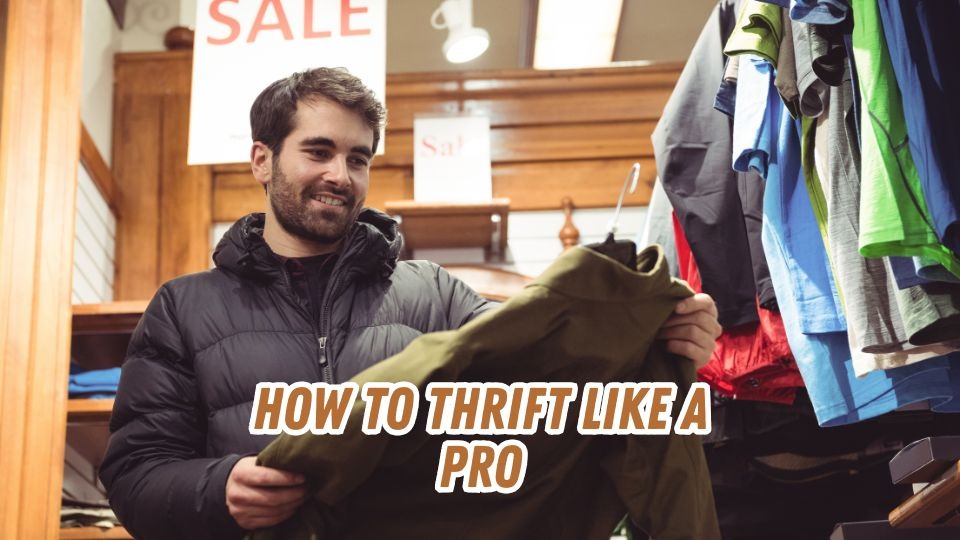
The Evolution of Thrift Shopping and Why It Matters Today
The concept of how to thrift like a pro has transformed dramatically from what it meant just a decade ago. What was once considered a necessity for those with limited budgets has become a celebrated lifestyle movement embraced by fashion enthusiasts, environmental advocates, and savvy consumers across every income bracket. Thrift shopping now represents a conscious choice rather than a last resort, and understanding its evolution helps you approach it with the right mindset.
The secondhand clothing market has grown exponentially since the mid 2010s when sustainability became a mainstream conversation in fashion. Online platforms like Poshmark, ThredUp, and Depop accelerated this growth by making secondhand wardrobe building accessible to people who previously had no thrift stores in their area. However, physical thrift stores remain the goldmine for experienced shoppers because they offer the deepest discounts and the most unexpected discoveries that digital platforms simply cannot replicate consistently.
Understanding how to thrift like a pro requires recognizing that successful thrifting is not about luck. It is a repeatable system built on knowledge, timing, and disciplined execution that delivers reliable results trip after trip.
Why Thrifting Has Become a Fashion Industry Standard
Major fashion publications now regularly feature thrift store shopping secrets alongside traditional retail recommendations. Celebrity stylists openly admit to sourcing pieces from secondhand stores for red carpet looks and editorial shoots. This cultural shift validates what experienced thrifters have always known. Incredible style does not require incredible spending. The normalization of thrifting at every level of fashion has created an environment where learning how to thrift like a pro is considered a genuinely valuable and respected skill.
Preparing Before You Ever Enter a Thrift Store
The most critical phase of successful thrifting happens before you walk through the front door. Experienced shoppers never enter a store without a clear plan because aimless browsing leads to impulse purchases, wasted time, and overlooked treasures. Preparation separates casual browsers from strategic thrifters who consistently leave with remarkable finds at unbelievable prices.
Start by auditing your current wardrobe to identify specific gaps that need filling. Perhaps you need a quality blazer, a pair of well fitted trousers, or a versatile everyday bag. Having a focused list prevents the overwhelming feeling that causes most people to give up halfway through their visit. This targeted approach is one of the most valuable budget friendly thrifting hacks that experienced resellers follow religiously before every single trip.
Timing Your Visits for Maximum Selection
When you shop matters almost as much as where you shop. Most thrift stores restock their shelves on specific days, typically early in the week following weekend donation surges. Visiting on Tuesday or Wednesday mornings gives you first access to the freshest inventory before other shoppers pick through it. Seasonal transitions also present golden opportunities because people tend to donate heavily during spring cleaning and end of year closet purges. These vintage clothing hunting tips about timing dramatically increase your chances of discovering exceptional pieces.
Mastering the In Store Strategy That Professionals Use
Once inside the store, knowing how to thrift like a pro means moving through the space with systematic efficiency rather than random wandering. Professional resellers and experienced thrifters follow specific patterns that maximize their time and minimize the chances of missing hidden gems buried between ordinary items.
Always start with the section you need most and work outward from there. Run your hands along the fabric of garments before pulling them from the rack. Your fingertips can detect quality materials like silk, cashmere, wool, and high grade cotton faster than your eyes can scan tags. This tactile screening method is one of the most effective consignment store styling strategies because it lets you evaluate dozens of pieces in minutes rather than examining each one individually.
What to Look for on Every Single Garment
Developing a trained eye for quality is essential when learning how to thrift like a pro consistently. Here are the specific details you should evaluate on every potential purchase before committing.
- Check the fabric content label and prioritize natural fibers like cotton, linen, silk, wool, and cashmere over synthetic polyester blends that look cheap after washing
- Examine all seams for straight even stitching and look for reinforced seam allowances that indicate higher quality construction standards
- Inspect buttons and zippers to ensure they function smoothly and appear sturdy enough to withstand regular daily wear without failing
- Look for signs of pilling, fading, or stretched out areas that indicate the garment has already passed its prime wearable life
- Test the drape by holding the garment against your body in front of a mirror to assess whether the silhouette flatters your frame naturally
These thrift store shopping secrets about quality assessment protect you from wasting money on items that look promising on the rack but disappoint once you get them home and try them on properly.
Building a Complete Wardrobe Through Strategic Thrifting
The ultimate goal of understanding how to thrift like a pro is building a cohesive, versatile wardrobe over time rather than making isolated random purchases. Secondhand wardrobe building requires patience and a long term vision that treats each thrift trip as one piece of a larger puzzle you are assembling deliberately.
Focus on acquiring foundational pieces first. Neutral toned blazers, quality denim, classic button down shirts, and versatile outerwear should be your priority targets during initial thrifting sessions. Once your core wardrobe is established, you can begin incorporating statement pieces, unique vintage finds, and trend driven items that add personality and variety to your everyday rotation.
This phased approach to how to thrift like a pro prevents the common mistake of accumulating a closet full of interesting individual pieces that refuse to work together as complete outfits. Every purchase should connect to at least three other items already in your wardrobe. Budget friendly thrifting hacks like this connectivity rule ensure that every dollar spent delivers maximum styling versatility.
Leveraging Online Secondhand Platforms Alongside Physical Stores
While physical thrift stores offer the best prices and surprise discoveries, online secondhand platforms serve as excellent supplements for targeted searching. When you need a specific item in a particular size or color, platforms dedicated to resale allow you to search with precision that physical stores cannot match. Combining both approaches is one of the most advanced consignment store styling strategies that professionals use to maintain a consistently elevated wardrobe year round without overspending.
Overcoming the Most Common Thrifting Challenges
Even experienced shoppers face obstacles when practicing how to thrift like a pro regularly. Inconsistent inventory means your favorite store might offer incredible finds one week and nothing usable the next. This unpredictability frustrates many beginners who expect immediate gratification from every visit.
The solution is adopting a marathon mindset rather than a sprint mentality. Commit to visiting your preferred stores at least twice monthly and accept that some trips will yield nothing while others will produce extraordinary discoveries. Vintage clothing hunting tips from seasoned professionals consistently emphasize patience as the single most important trait for long term thrifting success.
Another significant challenge involves sizing inconsistencies across different eras and brands. A size eight from the 1990s fits very differently than a modern size eight. Always try garments on when possible and learn basic alteration skills that allow you to adjust waistbands, shorten hems, and taper sleeves on your own. These practical secondhand wardrobe building skills transform near misses into perfect fits for minimal additional cost.
Real World Success Stories From Professional Thrifters
Fashion content creators worldwide have built entire careers around demonstrating how to thrift like a pro through documented hauls and styled outfit videos. Many of these creators regularly assemble complete outfits for under thirty dollars that genuinely rival designer ensembles costing hundreds or thousands of dollars.
Conclusion:
Mastering how to thrift like a pro is a journey that rewards patience, preparation, and a willingness to develop your eye for quality over time. Throughout this guide, you have discovered that successful thrifting depends on strategic timing, systematic in store navigation, fabric quality assessment, and a long term wardrobe building vision that treats every purchase as an intentional investment rather than a random impulse decision.
The thrift store shopping secrets and vintage clothing hunting tips shared by experienced professionals consistently prove that extraordinary style is achievable on any budget. Budget friendly thrifting hacks like the connectivity rule and tactile fabric screening transform casual browsing into a focused, efficient process that delivers remarkable results every single visit.
Secondhand wardrobe building combined with consignment store styling strategies gives you a complete framework for curating a closet that rivals any traditionally purchased wardrobe at a fraction of the cost. The most empowering realization is that knowing how to thrift like a pro puts you in complete control of your style narrative without financial pressure. Begin implementing these proven strategies on your very next trip and watch your wardrobe transform into something truly exceptional one perfectly chosen piece at a time.