

Beard growth oil has become one of the most talked-about grooming products for men struggling with patchy or slow-growing facial hair. But does it genuinely work, or is it all just marketing buzz? As someone who has spent years studying skin and hair health, I can tell you the answer isn’t simple.
In this comprehensive guide, we’ll explore the science behind these popular formulations and examine which ingredients genuinely support healthy follicle development. You’ll learn about essential oils for beard, natural beard care routines, and how factors like genetics and hormones affect your facial hair thickness. We’ll also discuss who makes an ideal candidate for these products and who might be wasting their money.
Whether you’re dealing with uneven growth or simply want a fuller, healthier-looking mane, this article provides the evidence-based answers you need.
Understanding Beard Growth Oil and Its Mechanism of Action
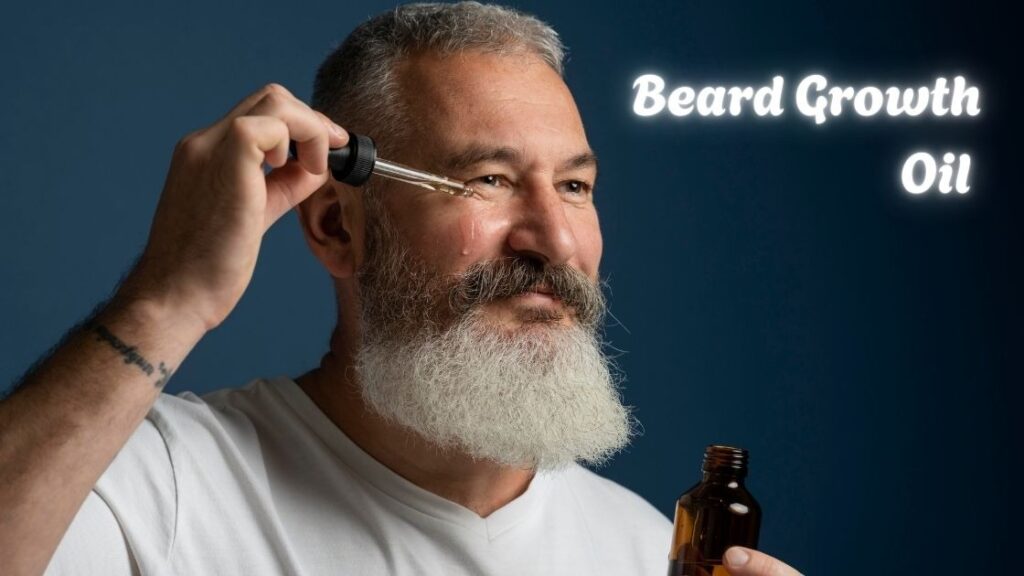
Beard growth oil is a specially formulated blend of carrier oils and essential oils designed to nourish facial hair follicles and the skin beneath. These products work by delivering vitamins, fatty acids, and nutrients directly to the hair root, creating an optimal environment for healthy growth.
The skin under your beard often becomes dry and irritated, which can actually slow down hair development. When you apply a quality facial hair serum, it moisturizes the skin, reduces inflammation, and improves blood circulation to the follicles. This combination helps existing hairs grow stronger while potentially stimulating dormant follicles to become active.
Most formulations contain ingredients like jojoba oil, argan oil, and castor oil as their base. These carrier oils penetrate the skin effectively and provide essential moisture without clogging pores. Many products also include biotin, vitamin E, and natural extracts that support keratin production, the protein that makes up your hair.
Key Ingredients That Actually Promote Facial Hair Development
Carrier Oils and Their Benefits
Understanding what goes into your beard growth oil helps you make informed purchasing decisions. Carrier oils form the foundation of these products and each brings unique properties to the formula.
Castor oil contains ricinoleic acid, which increases blood flow to hair follicles and has antimicrobial properties. Jojoba oil closely mimics your skin’s natural sebum, making it excellent for hydration without greasiness. Argan oil delivers vitamin E and antioxidants that protect hair from damage and promote shine.
Essential Oils for Stimulation
Essential oils provide the aromatic qualities and therapeutic benefits in beard nourishment products. Peppermint oil has shown promising results in studies for increasing hair thickness and follicle depth. Rosemary oil may help block DHT, a hormone linked to hair loss, while eucalyptus oil keeps the skin clean and free from bacteria that could impair growth.
Who Should Use Beard Growth Oil?
Not everyone needs these products, but certain individuals benefit significantly from regular application. Beard growth oil works best for men experiencing specific facial hair concerns.
Ideal Candidates
Men with patchy beard growth often see improvement when using these formulations consistently. If you struggle with dry, itchy skin beneath your facial hair, a quality oil can provide relief while supporting healthier growth. Those in the early stages of growing a beard benefit tremendously, as the oil helps new hairs come in stronger and reduces the uncomfortable itching phase.
Who Might Not See Results
Genetics play the largest role in determining your beard potential. If male pattern baldness runs in your family or you have naturally sparse facial hair due to hormonal factors, beard growth oil alone may not dramatically change your situation. Men with underlying medical conditions affecting hair growth should consult a healthcare provider before relying solely on topical products.
How to Apply Beard Growth Oil for Maximum Results
Proper application technique matters just as much as product quality. Follow these steps for optimal absorption and effectiveness.
- Wash your face with a gentle cleanser to remove dirt and excess sebum
- Pat your beard dry, leaving it slightly damp for better oil absorption
- Dispense three to five drops of oil into your palm depending on beard length
- Rub your hands together and massage the oil into your skin and hair
- Use a beard comb to distribute the product evenly throughout your facial hair
Apply your beard growth oil once or twice daily for best results. Morning application keeps your beard moisturized throughout the day, while evening use allows overnight absorption.
Benefits Beyond Just Growth
Improved Appearance and Texture
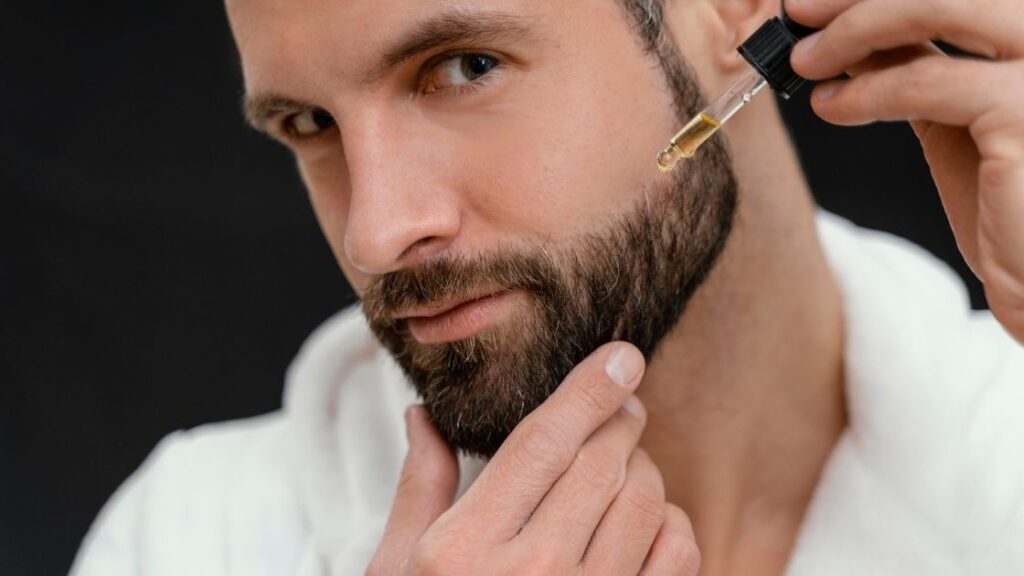
Regular use of quality beard oil transforms the look and feel of your facial hair. Your beard becomes softer, more manageable, and develops a healthy natural shine. The conditioning properties reduce split ends and breakage, allowing your hair to reach its full length potential.
Skin Health Advantages
The benefits extend beyond the hair itself. These products combat beard dandruff, reduce redness and irritation, and keep the underlying skin healthy. A well moisturized foundation supports stronger, more consistent beard growth oil results over time.
Confidence Boost
A well groomed, healthy looking beard significantly impacts self confidence. When your facial hair looks its best, you feel more polished and put together in professional and social situations.
Conclusion
Beard growth oil can be a valuable addition to your grooming routine when used correctly and with realistic expectations. The right combination of carrier oils, essential oils, and nourishing ingredients supports healthier follicles, reduces skin irritation, and promotes stronger facial hair development. However, results vary based on genetics, consistency, and overall health.
If you struggle with patchy growth, dryness, or an itchy beard, investing in a quality beard growth oil is worth considering. Pair it with proper nutrition, adequate sleep, and patience. Remember that meaningful results typically take several weeks to become noticeable, so stay committed to your beard care routine.