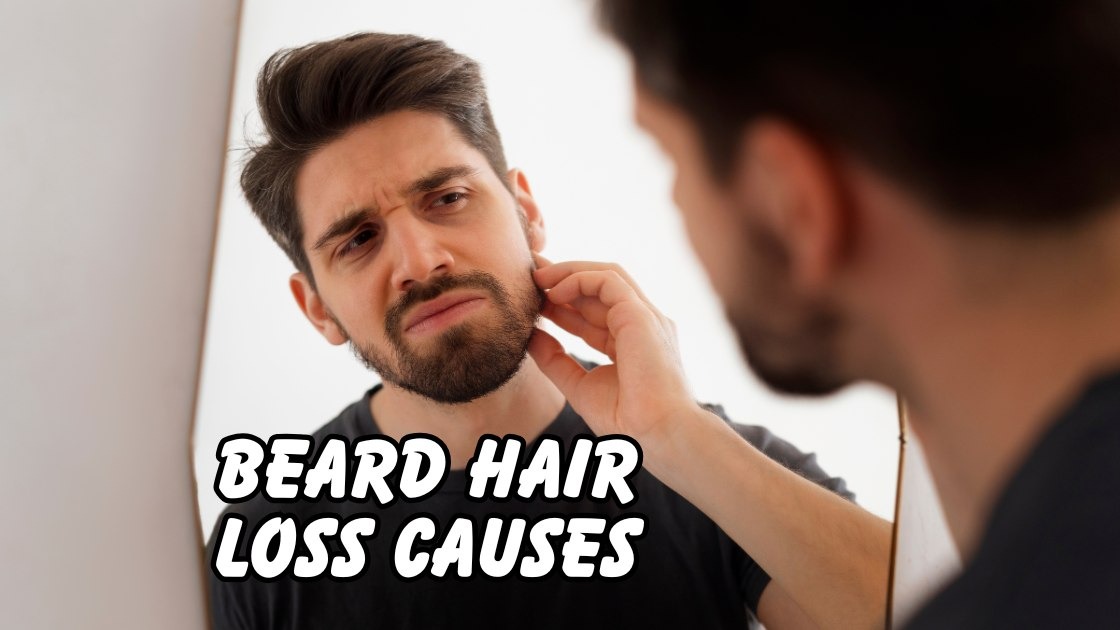

Understanding beard hair loss causes helps millions of men identify why their facial hair suddenly thins, patches, or disappears completely unexpectedly. That proud beard you cultivated for months? It might be vanishing due to factors you never suspected existed.
Here is what clinical research actually reveals.
Facial hair loss affects men across all ages creating frustration, embarrassment, and confusion about underlying medical conditions. Beard hair loss causes range from simple nutritional deficiencies to complex autoimmune disorders requiring professional diagnosis and treatment.
This comprehensive guide presents medical analysis from board certified dermatologists who diagnose and treat facial alopecia professionally. You will discover how hormonal imbalances affect beard growth, why alopecia barbae creates patchy patterns, and which genetic factors predetermine susceptibility.
We will explore autoimmune conditions, examine nutritional deficiency impacts, and reveal stress related triggers affecting facial hair health significantly. Understanding beard hair loss empowers informed conversations with healthcare providers and effective treatment decisions.
The Medical Science Behind Facial Hair Loss
Facial hair growth depends on complex interactions between hormones, genetics, and follicle health functioning optimally together. When any component of this system malfunctions, beard thinning or patchy loss can occur unexpectedly. Beard hair loss causes involve multiple physiological mechanisms that dermatologists evaluate systematically during diagnosis.
Hair follicles cycle through growth, rest, and shedding phases continuously throughout life normally. Disruptions to these natural cycles result in visible hair loss that concerns many men significantly. Understanding these biological processes helps identify specific beard hair loss causes affecting individual patients accurately.
Medical research has advanced considerably in identifying factors contributing to facial alopecia across diverse populations. Clinical studies reveal that multiple conditions can manifest similarly despite having entirely different underlying mechanisms. Accurate diagnosis requires professional evaluation rather than self assessment alone.
Alopecia Barbae and Autoimmune Conditions
Alopecia barbae represents an autoimmune disorder where the immune system mistakenly attacks beard hair follicles specifically. This condition creates characteristic circular bald patches appearing suddenly without warning signs typically. Beard hair loss causes related to autoimmune dysfunction require specialized dermatological treatment approaches.
The immune system misidentifies hair follicle cells as foreign invaders triggering inflammatory responses damaging growth capabilities. This autoimmune attack can affect isolated patches or spread across entire beard regions progressively. Alopecia barbae often correlates with other autoimmune conditions patients may experience simultaneously.
Genetic predisposition influences autoimmune condition development though environmental triggers frequently initiate actual manifestation. Family history of autoimmune disorders increases susceptibility to alopecia barbae significantly. Beard hair loss causes involving immune dysfunction benefit from early intervention improving treatment outcomes.
Recognizing Autoimmune Pattern Symptoms
Smooth circular patches without visible scarring characterize autoimmune related facial hair loss distinctively. These patches may contain short broken hairs called exclamation point hairs indicating active immune attack. Dermatologists identify these specific patterns during clinical examination confirming diagnosis accurately.
Spontaneous regrowth occurs in some patients while others experience persistent or progressive loss requiring treatment. The erratic progression of autoimmune related hair loss generates considerable emotional distress for those experiencing this condition. Professional guidance helps manage expectations while pursuing appropriate interventions.
Treatment Options for Immune Related Loss
Corticosteroid injections directly into affected patches represent common first line treatment for alopecia barbae effectively. These medications suppress local immune activity allowing follicles to resume normal growth cycles. Beard hair loss causes involving autoimmune dysfunction often respond well to immunomodulating therapies.
Topical immunotherapy and JAK inhibitors offer additional options for patients not responding to corticosteroids adequately. Treatment selection depends on severity, extent, and individual patient factors requiring personalized approaches. Dermatology specialists guide optimal treatment protocols for each case.
Hormonal Imbalances Affecting Beard Growth
Testosterone and dihydrotestosterone directly influence facial hair density, thickness, and growth patterns significantly. Hormonal imbalances disrupting these androgen levels can cause beard thinning or patchy development unexpectedly. Beard hair loss causes related to hormones require endocrine evaluation alongside dermatological assessment.
Thyroid dysfunction affects hair growth across the entire body including facial regions noticeably. Both hypothyroidism and hyperthyroidism can manifest through beard quality changes alerting observant patients. Hormonal testing identifies these imbalances enabling targeted treatment approaches.
Consider these hormonal factors that board certified specialists identify as common beard hair loss causes:
- Low testosterone levels reducing androgen stimulation necessary for robust facial hair development
- Thyroid hormone imbalances disrupting normal hair follicle cycling and growth phases
- Elevated cortisol from chronic stress affecting hormone balance and follicle health
- Dihydrotestosterone sensitivity variations influencing individual beard growth patterns genetically
- Pituitary gland dysfunction affecting multiple hormone systems simultaneously
Nutritional Deficiencies and Dietary Factors
Essential nutrients including biotin, zinc, iron, and protein support healthy hair growth throughout the body. Deficiencies in these critical elements can manifest through beard thinning before affecting scalp hair visibly. Beard hair loss causes related to nutrition respond well to dietary modifications and supplementation.
Iron deficiency anemia affects oxygen delivery to hair follicles compromising their growth capabilities significantly. Blood testing reveals deficiency levels enabling targeted supplementation restoring healthy beard growth gradually. Nutritional assessment provides valuable diagnostic information.
Vitamin and Mineral Requirements
B vitamins particularly biotin play essential roles in keratin production forming hair structure fundamentally. Zinc supports follicle health and testosterone metabolism affecting beard development directly. Nutritional deficiency impacts on facial hair often reverse with appropriate supplementation protocols.
Protein intake provides amino acids necessary for hair fiber construction and follicle maintenance continuously. Inadequate dietary protein compromises beard quality even when other nutrients remain sufficient. Beard hair loss causes involving nutrition require comprehensive dietary evaluation.
Dietary Recommendations for Beard Health
Balanced nutrition incorporating diverse whole foods supports optimal facial hair growth naturally. Eggs, nuts, leafy greens, and lean proteins provide essential nutrients for beard maintenance effectively. Dietary improvements complement medical treatments for comprehensive approaches.
Stress Related Triggers and Lifestyle Factors
Chronic psychological stress triggers telogen effluvium pushing hair follicles into premature resting phases simultaneously. This stress response can affect beard density noticeably within months of significant stressors occurring. Beard hair loss causes involving stress require lifestyle modifications alongside medical treatment.
Sleep deprivation compromises hormonal balance and cellular repair processes essential for healthy hair growth. Poor sleep quality affects testosterone production and cortisol regulation creating unfavorable conditions for beards. Lifestyle optimization supports beard restoration efforts significantly.
Smoking damages blood vessels reducing nutrient delivery to hair follicles throughout facial regions. Toxin exposure from tobacco accelerates aging processes affecting beard quality prematurely. Beard hair loss related to lifestyle choices respond to behavioral modifications positively.
Conclusion:
Identifying the underlying factors behind facial hair thinning empowers effective treatment decisions and faster recovery outcomes. Throughout this guide, board certified dermatologists have shared comprehensive medical analysis covering alopecia barbae, hormonal imbalances, nutritional deficiencies, and stress related triggers affecting beard health significantly.
Understanding beard hair loss causes enables informed conversations with healthcare providers who can diagnose specific conditions accurately. Autoimmune conditions, genetic factors, and lifestyle choices all contribute to facial alopecia requiring personalized treatment approaches.
Start consulting qualified specialists today. Whether addressing hormonal testing, nutritional supplementation, or stress management strategies, every proactive step matters significantly. Recognizing beard hair loss transforms frustrating experiences into manageable conditions with effective solutions available.