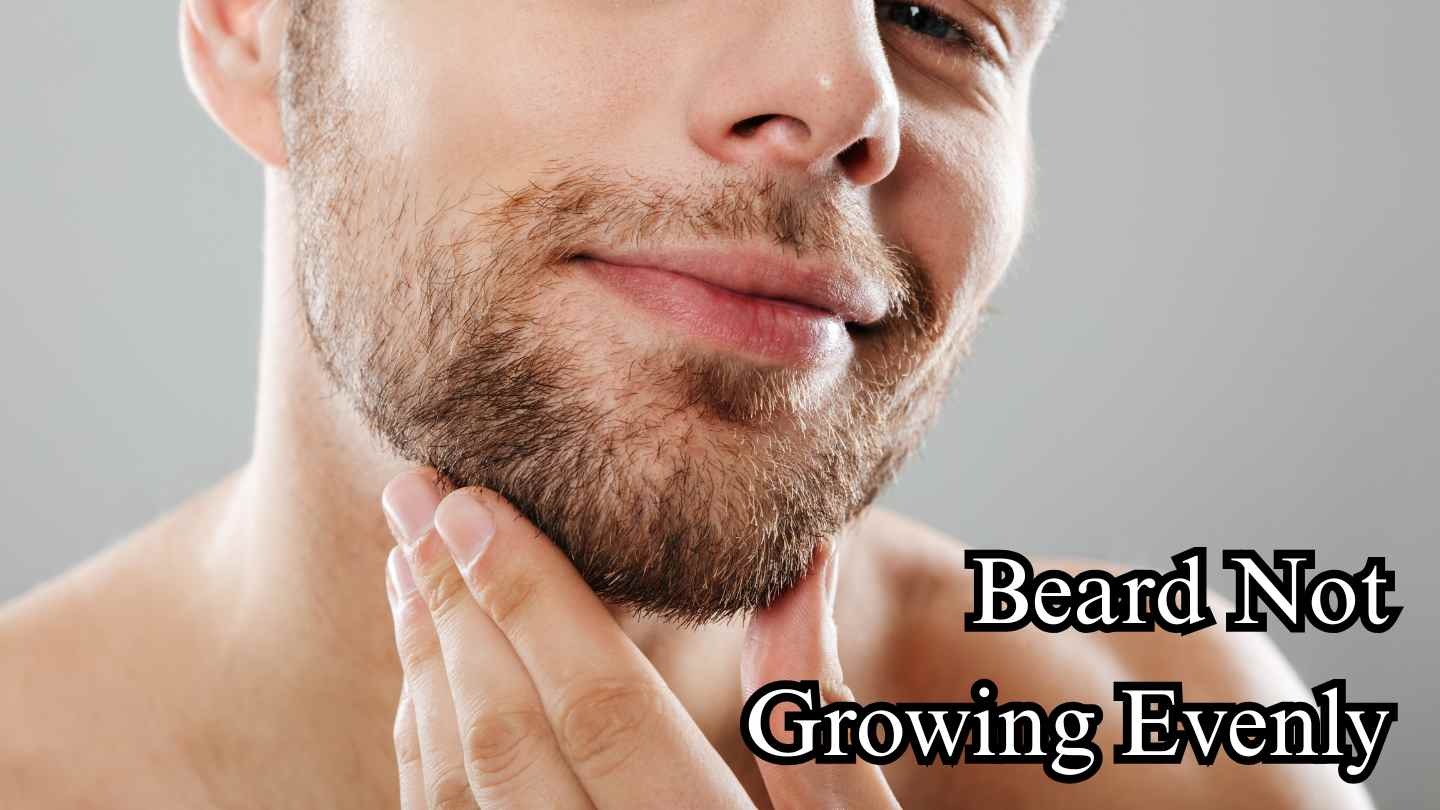

Beard not growing evenly is a concern many men face, and after years of grooming experience and expert-backed research, it’s clear this issue is more common than you think. From patchy beard areas to slow facial hair growth, uneven results can feel frustrating and confusing. The good news? In most cases, the reasons are completely manageable with the right approach.
This article breaks down the real causes behind uneven beard growth, including genetics, hormones, skin health, and daily habits. You’ll also discover practical grooming tips, a smart beard care routine, and proven fixes that professionals actually recommend. Whether you’re dealing with thin spots, inconsistent texture, or delayed growth, this guide offers clear, trustworthy advice to help you improve beard density and confidence naturally—without myths or unrealistic promises.
Understanding Why Beard Not Growing Evenly
Many men struggle with a beard not growing evenly, and understanding the root causes is essential before trying any fixes. Uneven beard growth occurs when some areas of the facial hair grow thicker, faster, or denser than others, creating patchy or irregular patterns. This condition can affect self-confidence, especially when striving for a full, well-groomed beard style.
Historically, facial hair patterns have fascinated both scientists and grooming enthusiasts. Research shows that genetics largely determine beard thickness and growth patterns, which is why some men’s beard is not growing evenly. Hormonal factors, particularly testosterone and dihydrotestosterone (DHT), play a crucial role in activating hair follicles, and imbalances can contribute to a beard not growing evenly. Environmental factors, nutrition, and lifestyle habits further influence how your facial hair develops, meaning that even if your beard is not growing evenly, understanding these causes allows you to take informed steps toward improving growth naturally.
Key Causes of Uneven Beard Growth
Genetics and Heredity
Genetics often dictates your beard’s growth pattern, density, and timing. If male relatives had patchy beards or slow facial hair development, it’s likely you may experience similar issues. Hereditary traits impact the number and activity of hair follicles, influencing the areas where hair grows thick or sparse.
Hormonal Imbalance
Hormones such as testosterone and DHT regulate facial hair growth. Low hormone levels or irregular hormone production can result in slower growth or uneven patches. Men in their late teens or early twenties often notice inconsistencies in beard thickness due to natural hormonal fluctuations.
Skin Health and Care
Healthy skin is critical for strong, uniform hair growth. Dry skin, clogged pores, or conditions like eczema can block hair follicles and prevent proper beard development. Regular exfoliation, moisturizing, and gentle cleansing support follicle health and encourage even growth.
Lifestyle and Nutrition
A diet lacking essential vitamins and minerals, insufficient sleep, high stress levels, and smoking can all contribute to patchy beards. Nutrients like biotin, zinc, vitamin D, and omega-3 fatty acids play a pivotal role in hair strength, follicle regeneration, and overall beard appearance.
Proven Fixes for Beard Not Growing Evenly
Addressing uneven beard growth requires a combination of proper care, patience, and evidence-based strategies.
Grooming Techniques for Uniform Growth
- Trim strategically to shape uneven areas and blend lengths
- Use a high-quality beard oil to nourish hair and skin
- Brush daily to stimulate follicles and promote circulation
- Avoid over-trimming patches to allow slower areas to catch up
- Consider beard balm for styling while encouraging healthy growth
These techniques enhance the beard’s visual uniformity and support hair development in patchy zones. Regular grooming also trains hair follicles to grow in desired directions.
Skincare Routine for Better Beard Growth
Proper skin care is often overlooked but essential, especially for men whose beard is not growing evenly. Cleanse the face twice daily with a mild cleanser to maintain healthy follicles and reduce irritation that can worsen a beard not growing evenly. Exfoliate weekly to remove dead skin cells and stimulate hair growth, and moisturize to maintain hydration, using products with natural ingredients like jojoba oil, vitamin E, and shea butter, which support stronger follicles and help improve a beard not growing evenly.
Nutrition and Supplements
A balanced diet rich in protein, vitamins, and minerals supports hair growth from the inside out. Consider:
- Eggs and lean meats for protein
- Leafy greens for iron and vitamin C
- Nuts and seeds for biotin and omega-3s
- Whole grains for zinc and B-vitamins
- Hydration to support skin and hair health
For some, supplements such as biotin or a multivitamin formulated for hair growth can accelerate results when combined with proper nutrition.
Advanced Solutions and Treatments
Topical and Medicinal Options
Certain topical treatments, like minoxidil, can stimulate dormant follicles and improve growth consistency. Dermatologists sometimes recommend these options for men struggling with stubborn patchy areas. Always consult a professional before starting any medication to ensure safety and effectiveness.
Lifestyle Adjustments
Stress management, consistent sleep schedules, and regular exercise improve hormone regulation and blood circulation. Better circulation delivers nutrients efficiently to hair follicles, encouraging stronger and more even growth.
Patience and Beard Mapping
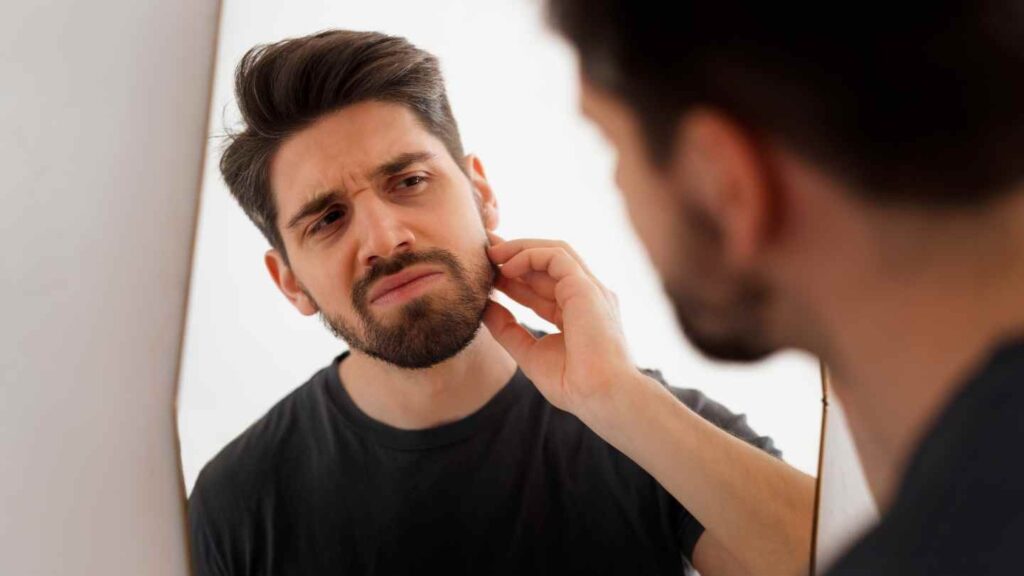
Beard growth naturally varies by age and genetics, so patience is key. Mapping your beard using a mirror to track growth zones helps in planning trimming and styling strategies. Allowing slower areas to catch up prevents uneven trimming and promotes symmetry.
Expert Tips for Maintaining a Full and Even Beard
To keep your beard healthy and well-groomed, trim every few weeks to maintain its shape and use natural beard oils to nourish the hair and prevent breakage, especially if your beard is not growing evenly. Brush daily in the direction of growth to promote uniform development, and maintain a nutrient-rich diet while staying properly hydrated to support strong follicles, which can help improve a beard not growing evenly. Additionally, avoid harsh chemicals and excessive heat styling, as these can damage hair and slow growth, ensuring that even a beard not growing evenly becomes fuller, healthier, and more manageable over time.
Steps to Improve Beard Growth Naturally
To improve beard growth, evaluate your diet and consider supplements if needed to support healthy follicles, especially if your beard is not growing evenly. Establish a consistent skincare and grooming routine while managing stress and prioritizing sleep to maintain proper hormone balance, as these factors often affect why a beard may not grow evenly. Incorporate gentle facial massages to stimulate hair growth and avoid over-trimming or using harsh grooming tools that can damage follicles. By tracking progress and adjusting care techniques, even men whose beard is not growing evenly can achieve a fuller, more balanced look over time.
Conclusion
Dealing with a beard not growing evenly can be frustrating, but understanding the causes and implementing effective solutions makes a big difference. Genetics, hormones, skin health, and lifestyle habits all influence facial hair growth, and addressing these factors with proper grooming, skincare, and nutrition helps improve thickness and balance. Using beard oils, trimming strategically, and following expert-backed routines can promote fuller, healthier growth. By taking consistent, informed steps, men can overcome patchy spots, boost confidence, and achieve a well-maintained beard that enhances appearance naturally.