
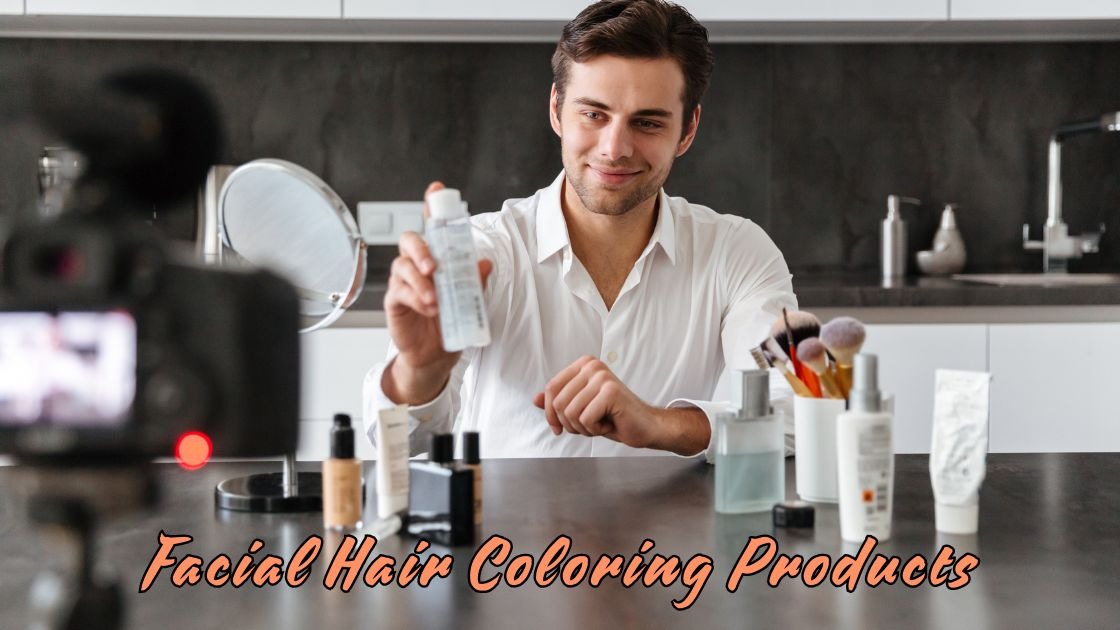

Facial hair coloring products have become essential grooming tools for men who want to cover gray beards, enhance their natural color, or simply refresh their overall appearance. However, without proper knowledge and technique, these dyes can lead to skin irritation, allergic reactions, and damaged facial hair. The delicate skin beneath your beard and mustache requires careful attention that many men overlook during the coloring process.
This comprehensive guide will walk you through everything you need to know about achieving professional-looking results safely at home. From conducting proper patch tests and choosing gentle beard dye formulas to mastering application techniques and aftercare routines, you’ll discover how to color your facial hair confidently. Whether you’re dealing with sensitive skin concerns or simply want long-lasting, natural-looking coverage, these expert tips will help you avoid common mistakes and protect both your skin and beard health throughout the coloring process.
Understanding Facial Hair Coloring Products and How They Work
Facial hair coloring products are specially formulated dyes designed to change or enhance the color of beards, mustaches, and other facial hair. Unlike regular hair dyes meant for your scalp, these products contain gentler ingredients that account for the sensitive skin on your face. The formulas typically work by depositing color pigments into the hair shaft or coating the outer layer of each strand.
Most beard dyes use either permanent, semi-permanent, or temporary coloring agents. Permanent options penetrate deep into the hair structure and last several weeks. Semi-permanent varieties coat the hair surface and gradually fade with washing. Understanding these differences helps you select the right product for your specific needs and lifestyle.
Why Proper Application Matters for Skin Safety
The skin beneath your facial hair is significantly more sensitive than your scalp. This area contains more nerve endings and is prone to irritation from harsh chemicals. When you apply facial hair coloring products incorrectly, you risk developing contact dermatitis, redness, burning sensations, and even chemical burns in severe cases.
Many men make the mistake of treating beard coloring like a quick task. However, rushing through the process or skipping essential steps can lead to uneven color distribution and skin damage. Taking time to follow proper procedures protects your skin while ensuring better aesthetic results.
Essential Steps Before Applying Beard Dye
Conducting a Patch Test
Never skip the patch test when using facial hair coloring products for the first time or when switching brands. Place a small portion of the blended dye on your inner arm or behind your ear. Monitor the area for 24 to 48 hours to detect any sensitivity reactions. This simple step can prevent serious skin problems and help you identify sensitivity to specific ingredients.
Preparing Your Facial Hair and Skin
Proper preparation ensures even color absorption and minimizes irritation risks. Follow these important steps before application:
- Wash your beard thoroughly with a gentle cleanser to remove dirt and oils
- Trim any split ends or uneven patches for a uniform coloring surface
- Apply petroleum jelly along your hairline and skin edges for protection
- Ensure your facial hair is slightly damp but not dripping wet
- Gather all materials including gloves, applicator brush, and timer
Choosing the Right Product for Your Skin Type
Selecting appropriate facial hair coloring products depends largely on your skin sensitivity and desired results. Men with sensitive skin should look for ammonia-free and paraben-free formulas. Natural beard dyes containing plant-based ingredients like henna offer gentler alternatives to chemical options.
Ingredients to Avoid
Certain chemicals commonly found in hair dyes can cause significant irritation. PPD (paraphenylenediamine) is a known allergen that affects many individuals. Ammonia can dry out both skin and hair while causing uncomfortable burning sensations. Resorcinol and peroxide in high concentrations may also trigger adverse reactions in sensitive users.
Recommended Gentle Formulas
Look for facial hair coloring products that contain nourishing ingredients alongside coloring agents. Products with aloe vera, chamomile extract, vitamin E, and coconut oil provide conditioning benefits during the coloring process. These ingredients help maintain beard softness while protecting underlying skin from chemical stress.
Application Techniques for Best Results
Proper technique makes a significant difference when using facial hair coloring products at home. Always wear the provided gloves to protect your hands and prevent staining. Use the applicator brush to work the dye evenly through your beard in small sections rather than applying everything at once.
Start from the areas with the most gray coverage and work outward. Avoid getting product directly on your skin whenever possible. Set a timer according to package instructions and never exceed the recommended processing time. Leaving dye on too long increases irritation risk without improving color results.

Aftercare for Healthy Colored Beards
Post-coloring care extends the life of your color while keeping skin healthy. Wash your beard completely with warm water until no color residue remains visible. Apply a beard conditioner or beard oil immediately after to restore moisture. Avoid harsh soaps and hot water for the first few days after coloring.
Using facial hair coloring products safely requires patience and attention to detail. Invest in quality beard care products specifically designed for colored facial hair. Regular conditioning prevents dryness and maintains the vibrant appearance of your newly colored beard. Following these expert guidelines ensures you achieve professional-looking results without compromising your skin health or beard condition.
Conclusion
Using facial hair coloring products safely requires preparation, patience, and proper technique. By conducting patch tests, choosing gentle formulas, and following correct application methods, you can achieve natural-looking beard color without risking skin irritation or damage. Remember that the sensitive skin beneath your facial hair deserves extra care and attention throughout the coloring process.
Investing in quality facial hair coloring products and maintaining a consistent aftercare routine will keep your beard looking vibrant and healthy. Whether you’re covering gray hair or enhancing your natural shade, these expert tips ensure long-lasting results while protecting your skin and beard from unnecessary harm.