

Good hygiene tips serve as your primary defense against infectious diseases, harmful bacteria, and viruses threatening daily wellness. Healthcare professionals confirm that implementing proper hygiene protocols reduces illness transmission by up to ninety percent in household and workplace environments.
This comprehensive guide delivers good hygiene tips backed by epidemiologists and infectious disease specialists who understand pathogen behavior at microscopic levels. You will discover handwashing techniques that eliminate dangerous microorganisms while learning oral care protocols dentists recommend for optimal health.
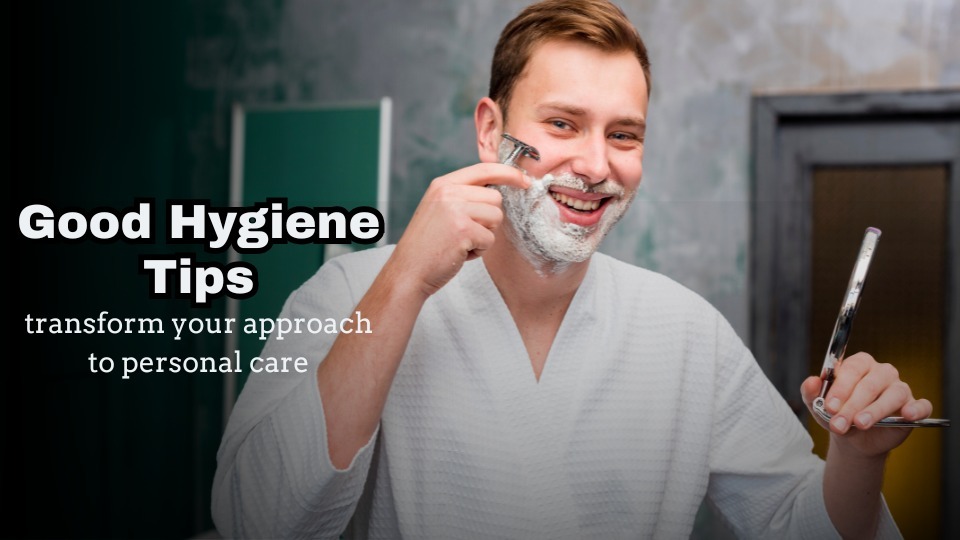
Our exploration covers body cleanliness standards, surface sanitization methods, and personal grooming practices that create protective barriers against contamination. Understanding immune system support through strategic hygiene choices empowers you to safeguard family members and colleagues effectively. Whether preventing seasonal illnesses or establishing lifelong wellness habits, these scientifically validated good hygiene tips transform your approach to personal care and environmental cleanliness comprehensively.
Understanding the Science Behind Effective Hygiene Practices
Good hygiene tips represent more than simple cleanliness habits passed down through generations. Modern microbiology reveals that strategic hygiene protocols create physical and chemical barriers against pathogenic microorganisms seeking entry into human bodies. Epidemiologists study disease transmission patterns to develop evidence-based recommendations that protect individuals and communities effectively.
The history of hygiene science transformed dramatically following germ theory discoveries in the nineteenth century. Physicians like Ignaz Semmelweis demonstrated that handwashing dramatically reduced mortality rates in medical settings. Today, infectious disease specialists build upon this foundational knowledge using advanced laboratory research to refine good hygiene tips for contemporary environments and emerging pathogen threats.
Understanding why certain practices work empowers individuals to implement them consistently rather than viewing hygiene as arbitrary rituals. When you comprehend that soap molecules physically destroy viral envelopes and bacterial cell walls, handwashing becomes purposeful disease prevention rather than mundane routine obligation.
Proper Handwashing Techniques Endorsed by Healthcare Professionals
Handwashing represents the single most important intervention among all good hygiene tips recommended by medical authorities worldwide. The World Health Organization and Centers for Disease Control emphasize that proper technique matters as much as frequency when eliminating harmful microorganisms from skin surfaces effectively.
The Science of Effective Hand Cleansing
Water alone fails to remove pathogens because many microorganisms possess lipid membranes that repel aqueous solutions naturally. Soap molecules contain hydrophilic heads attracting water and hydrophobic tails binding to fats and oils where bacteria hide. This dual action physically lifts contaminants from skin while destroying pathogen structural integrity simultaneously.
Healthcare professionals recommend scrubbing hands for a minimum twenty seconds to allow adequate contact time between soap molecules and microbial populations. Friction generated during rubbing dislodges organisms from skin crevices, nail beds, and between fingers where pathogens accumulate throughout daily activities consistently.
Critical Handwashing Moments
Infectious disease specialists identify specific situations requiring immediate hand cleansing for optimal protection:
- Before preparing or consuming any food to prevent gastrointestinal infections from contaminated hands
- After using bathroom facilities where fecal bacteria concentrate on surfaces and fixtures
- Following contact with sick individuals or their personal items including tissues and bedding
- After touching animals, pet food, or waste materials containing zoonotic pathogens
- Before and after treating wounds or administering medications to vulnerable individuals
Implementing good hygiene tips around these critical moments dramatically reduces infection transmission within households and workplaces throughout seasonal illness periods.
Oral Hygiene Protocols for Comprehensive Health Protection
Dental professionals emphasize that oral care extends beyond cavity prevention into systemic health protection affecting cardiovascular and respiratory systems. The mouth harbors hundreds of bacterial species, some beneficial and others potentially harmful when populations become imbalanced through neglect.
Daily Oral Care Fundamentals
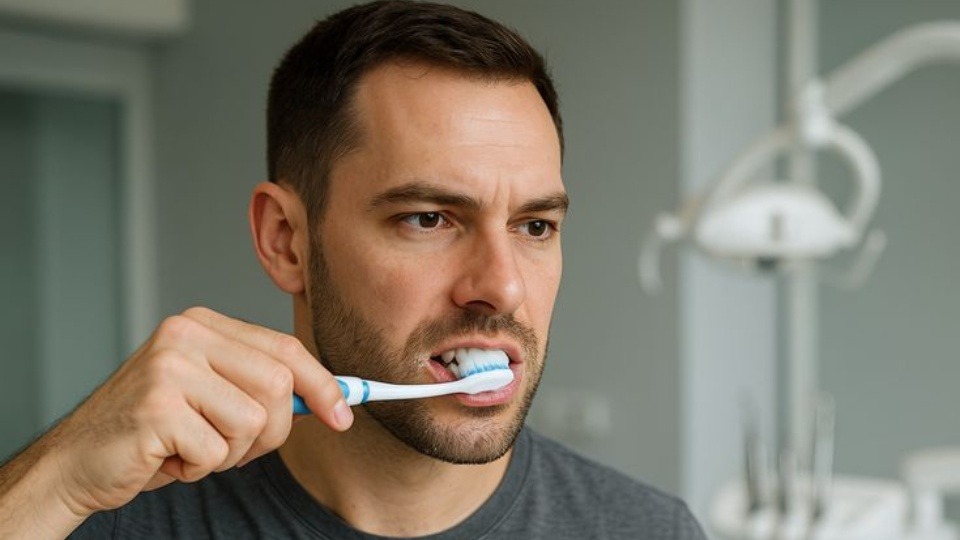
Brushing twice daily removes food particles and plaque accumulation that feed harmful bacterial populations between teeth and along gumlines. Dentists recommend fluoride toothpaste for strengthening enamel while soft bristled brushes prevent gum tissue damage during thorough cleaning sessions lasting two minutes minimum.
Flossing reaches interdental spaces where toothbrush bristles cannot access effectively. These areas accumulate bacterial biofilms contributing to periodontal disease and chronic inflammation linked to heart disease risk factors. Good hygiene tips for oral care include nightly flossing before brushing to maximize cleansing effectiveness comprehensively.
Tongue cleaning removes bacterial colonies responsible for halitosis while reducing overall oral pathogen loads significantly. Specialized tongue scrapers prove more effective than toothbrush bristles for this purpose according to dental research studies conducted internationally.
Body Cleanliness Standards and Bathing Protocols
Dermatologists provide good hygiene tips addressing skin health while balancing cleanliness with natural protective barrier preservation. Over bathing strips beneficial oils and disrupts skin microbiome populations that protect against pathogenic colonization naturally.
Optimal Bathing Frequency and Techniques
Most adults benefit from daily bathing focusing on high bacterial concentration areas including underarms, groin, and feet. Full body soap application daily proves unnecessary and potentially harmful for skin barrier function according to dermatological research. Strategic cleansing targets odor producing regions while preserving beneficial skin flora elsewhere.
Water temperature affects both cleansing effectiveness and skin health outcomes. Lukewarm water adequately removes contaminants without stripping natural moisturizing factors that maintain barrier integrity. Hot showers feel pleasant but accelerate skin drying and irritation development over time.
Surface Disinfection Methods for Environmental Protection
Good hygiene tips extend beyond personal care into environmental sanitation that reduces pathogen reservoirs within living spaces. High touch surfaces including doorknobs, light switches, and electronic devices harbor significant microbial populations requiring regular disinfection attention.
Effective Cleaning Product Selection
Understanding the difference between cleaning and disinfecting enables appropriate product selection for specific situations. Cleaning removes visible dirt and some microorganisms through physical action while disinfecting kills pathogens using chemical agents requiring adequate contact time for effectiveness.
Household disinfectants containing quaternary ammonium compounds or sodium hypochlorite solutions eliminate most common pathogens when applied correctly. Product labels specify required contact times ranging from thirty seconds to ten minutes depending on formulation strength and target organisms.
Conclusion
Implementing good hygiene tips transforms your daily routine into powerful disease prevention that protects entire families and communities. From proper handwashing techniques destroying harmful pathogens to oral hygiene protocols supporting systemic health, each practice contributes to comprehensive wellness. Surface disinfection methods eliminate environmental contamination while food safety practices prevent gastrointestinal illnesses affecting millions annually. Understanding the science behind these good hygiene tips empowers consistent implementation rather than sporadic effort. Epidemiologists and infectious disease specialists confirm that strategic hygiene protocols reduce illness transmission dramatically across households and workplaces. Commit to these evidence-based body cleanliness standards and personal care habits today for lasting health protection that benefits everyone around you consistently.