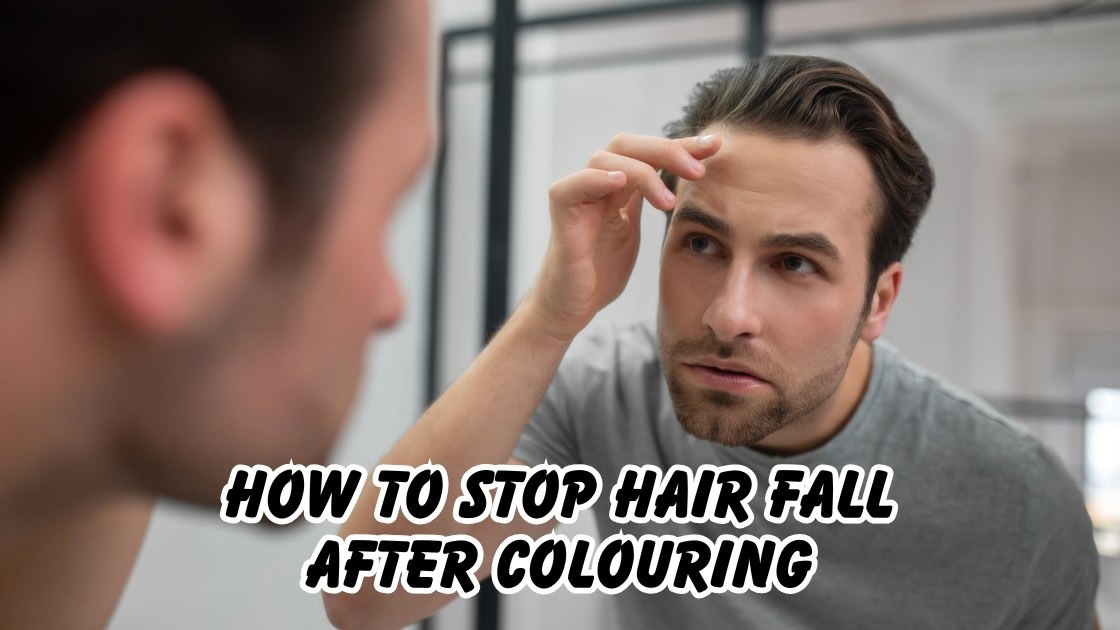

Struggling with how to stop hair fall after colouring and excessive shedding after your recent hair dye session? You’re not alone, millions experience post-colour hair damage that leads to excessive shedding and weakened strands. Chemical dyes penetrate the hair cuticle, disrupting protein bonds and leaving follicles vulnerable to breakage.
This comprehensive guide explores clinical keratin restoration methods that professionals use to reverse colour-induced hair loss. You’ll discover why traditional remedies often fail and how advanced bond repair treatments actually work at the molecular level.
We’ll walk you through scalp therapy techniques, protein reconstruction protocols, and cuticle sealing methods that dermatologists and trichologists recommend. Whether you’ve just coloured your hair or are dealing with long-term damage, these science-backed strategies will help restore strength, elasticity, and shine.
Understanding the Science Behind Colour-Induced Hair Damage
Hair colouring involves a complex chemical process that penetrates the outer protective layer of each strand. When you apply permanent or semi-permanent dyes, ammonia opens the cuticle while peroxide strips away natural melanin. This aggressive combination weakens the internal protein structure and makes strands prone to breakage. Understanding how to stop hair fall after colouring begins with recognizing what happens at the molecular level during the dyeing process.
The cortex layer contains keratin bonds that give your hair its strength and elasticity. Chemical treatments disrupt these disulfide connections, leaving follicles fragile and susceptible to damage. Many people notice increased shedding within two to four weeks following their salon visit.
The Role of Keratin Restoration in Damaged Hair Recovery
Keratin serves as the primary structural protein in human hair, making up approximately 90 percent of each strand. When chemical dyes compromise this protein matrix, targeted restoration becomes essential for preventing further loss. Clinical approaches focus on replenishing these depleted proteins through specialized formulations that mimic natural keratin architecture.
Professional trichologists recommend treatments containing hydrolyzed keratin molecules small enough to penetrate the cuticle layer. These micro-proteins fill gaps created by chemical processing and rebuild internal strength. Learning how to stop hair fall after colouring requires understanding that surface-level conditioners cannot address deep structural damage.
Bond repair technology represents a significant advancement in post-colour care. These innovative formulas work by reconnecting broken disulfide bridges that chemicals severed during the dyeing process.
Clinical Methods on How to Stop Hair Fall After Colouring
Certified dermatologists and hair specialists employ advanced diagnostic techniques to identify the root cause of post-colour shedding. Understanding how to stop hair fall after colouring requires professional evaluation through scalp analysis and follicle examination. These experts design personalized treatment protocols based on your unique damage level and hair type
Professional Assessment and Diagnosis
Before starting any treatment protocol, consulting a qualified dermatologist or certified trichologist provides valuable insight into your specific condition. These specialists use microscopic analysis to evaluate follicle health and determine the extent of chemical damage.
Scalp health directly influences how well your hair recovers from chemical stress. Professionals examine sebum production, inflammation markers, and follicle density to create customized restoration plans.
pH-Balanced Scalp Therapy Techniques
Maintaining proper scalp pH plays a crucial role in post-colour recovery. Chemical dyes typically raise pH levels significantly above the natural acidic range. This alkaline environment keeps cuticles open and vulnerable long after your colour appointment ends.
Understanding how to stop hair fall after colouring involves restoring optimal pH balance through targeted scalp therapy. Acidifying treatments help seal the cuticle layer and lock in moisture that chemicals are stripped away.
Protein Reconstruction Protocols
Effective protein reconstruction follows a systematic approach that addresses different layers of damage. Clinical treatments typically proceed through these stages:
- Deep cleansing removes product buildup and prepares strands for protein absorption
- Low molecular weight proteins penetrate the cortex to rebuild internal structure
- Medium-sized proteins fill mid-layer gaps and reinforce weakened areas
- Surface sealants protect newly deposited proteins from environmental stress
- Moisture infusion restores hydration balance disrupted by chemical processing
Essential Ingredients for Post-Colour Hair Recovery
Amino Acid Complexes
Amino acids form the building blocks that create keratin proteins within each strand. When colour treatments deplete these essential components, replenishment becomes critical for restoring strength. Look for products containing cysteine, arginine, and methionine that specifically target hair protein synthesis.
These compounds work synergistically to rebuild damaged architecture from the inside out. Discovering how to stop hair fall after colouring often involves incorporating amino acid treatments into your weekly routine.

Natural Oils and Lipid Barriers
The cuticle layer contains natural lipids that chemical processes strip away. Restoring this protective barrier prevents moisture loss and shields vulnerable strands from further harm. Argan oil, jojoba oil, and camellia seed oil closely resemble the lipid composition naturally present in healthy hair.
These botanical extracts penetrate beyond surface conditioning to nourish the cortex layer where structural damage occurs.
Common Mistakes That Worsen Post-Colour Shedding
Many individuals unknowingly sabotage their recovery through habits that compound chemical damage. Excessive heat styling immediately after colouring creates additional stress on already compromised strands. High temperatures further denature proteins that colour treatments weaken.
Over-washing strips protective oils and prevents damaged cuticles from sealing properly. Gentle handling becomes especially important when hair lacks its normal structural integrity.
Mastering how to stop hair fall after colouring means avoiding tight hairstyles that place mechanical stress on weakened follicles. Loose styles minimize additional trauma while your hair regains strength.
Building a Sustainable Long-Term Care Routine
Preventing future colour-related damage requires adopting protective strategies before, during, and after dyeing appointments. Pre-treatment conditioning creates a barrier that reduces chemical penetration.
Spacing colour appointments appropriately gives your hair adequate recovery time needed. Most dermatologists recommend waiting at least six to eight weeks between full colour applications.
Understanding how to stop hair fall after colouring ultimately requires strong commitment to ongoing protective care. Professional guidance combined with consistent home care establishes the solid foundation for maintaining healthy colour without sacrificing strand integrity.
Conclusion:
How to stop hair fall after colouring demands patience and the right clinical approach. By focusing on keratin restoration methods, maintaining proper scalp pH balance, and incorporating bond repair treatments into your routine, you can effectively reverse colour-induced damage. Professional guidance from dermatologists and trichologists ensures personalized care tailored to your specific needs. Remember that understanding how to stop hair fall after colouring involves consistent protein reconstruction and avoiding common mistakes like excessive heat styling. With dedication to these evidence-based strategies, achieving strong, healthy, and vibrant coloured hair becomes entirely possible for everyone.