

The ongoing debate between natural skincare vs chemical formulations has evolved far beyond simple ingredient preferences into complex scientific territory. Your skin hosts trillions of microorganisms that determine overall complexion health, and product choices directly influence this delicate ecosystem.Understanding natural skincare vs chemical approaches requires examining how different ingredients interact with your skin barrier and resident bacteria. Many consumers unknowingly compromise their microbiome balance through well-intentioned but poorly informed product selections.
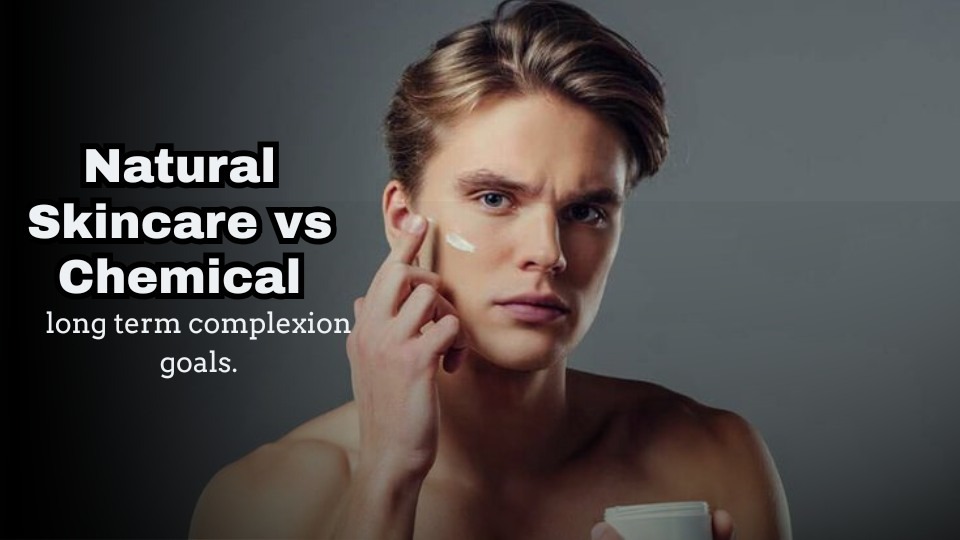
This comprehensive guide explores microbiome disruption patterns caused by various formulation types and presents holistic optimization strategies for lasting skin health. You will discover how cellular absorption differs between natural and synthetic compounds, learn about skin barrier function, and understand ingredient bioavailability science. We examine clinical evidence comparing both approaches to help you make truly informed decisions about your skincare investments and long term complexion goals.
Defining Natural and Chemical Skincare Approaches
The distinction between natural skincare vs chemical products often creates confusion among consumers seeking optimal solutions. Natural formulations derive primarily from botanical sources including plant extracts, essential oils, and mineral compounds. Chemical products utilize laboratory synthesized ingredients designed to target specific skin concerns with precision.
Related Article: Natural vs Chemical Skincare: Which Is Better for Sensitive Skin in the Long Run?
Neither category represents inherently superior or inferior options for every individual. Your unique skin biology, concerns, and sensitivities determine which approach delivers better outcomes. Understanding the scientific differences empowers you to make informed selections rather than following marketing trends blindly.
Dermatologists recognize that both natural and synthetic ingredients offer distinct advantages depending on treatment goals. The natural skincare vs chemical debate requires nuanced examination rather than simplistic categorization. Modern formulation science increasingly combines both approaches for synergistic benefits.
Related Article: Natural vs Synthetic Skincare: Which One Is Right for Your Skin?
Understanding Your Skin Microbiome Ecosystem
The Bacterial Balance Factor
Your skin surface hosts approximately one trillion microorganisms forming a complex ecosystem essential for health. These beneficial bacteria produce antimicrobial peptides, regulate inflammation, and strengthen barrier function continuously. Disrupting this delicate balance triggers various skin conditions from acne to eczema.
The natural skincare vs chemical conversation must address microbiome impact as primary consideration. Harsh synthetic preservatives and surfactants often eliminate beneficial bacteria alongside harmful pathogens indiscriminately. This collateral damage compromises your skin’s natural defense mechanisms significantly.
Plant derived ingredients typically demonstrate gentler interaction with resident microorganisms. Prebiotic compounds found in natural formulations actually nourish beneficial bacteria populations. This supportive relationship enhances overall skin resilience and appearance over time.
How Different Ingredients Affect Bacterial Populations
Research reveals striking differences in how various ingredient categories influence microbiome composition. Synthetic fragrances and certain preservatives show particularly disruptive effects on bacterial diversity. Natural alternatives generally preserve ecosystem integrity while still delivering desired cosmetic benefits.
Understanding these patterns helps navigate the natural skincare vs chemical landscape intelligently. Your product choices either support or undermine the microbial communities protecting your complexion daily. Long term skin health depends significantly on maintaining bacterial balance through thoughtful formulation selection.
Comparative Analysis of Ingredient Absorption and Efficacy
Molecular Size and Penetration Differences
Ingredient bioavailability varies dramatically between natural and synthetic compounds based on molecular structure. Smaller molecules penetrate deeper into skin layers where they influence cellular behavior directly. Larger compounds remain on surface levels providing protective rather than transformative benefits.
Many synthetic actives undergo engineering specifically for enhanced penetration capabilities. Natural ingredients sometimes require special extraction or fermentation processes to achieve comparable absorption rates. The natural skincare vs chemical comparison must acknowledge these formulation complexities honestly.
- Synthetic retinoids penetrate approximately 20 times more efficiently than plant derived alternatives initially
- Fermented botanical extracts demonstrate significantly improved absorption compared to raw plant materials
- Liposomal delivery systems enhance natural ingredient penetration to match synthetic performance levels
- Molecular weight below 500 daltons allows effective skin barrier passage regardless of ingredient origin
- Combination formulations often outperform single approach products through complementary mechanisms
Clinical Evidence Comparing Both Approaches
Scientific studies comparing natural skincare vs chemical treatments reveal nuanced findings defying simple conclusions. Synthetic vitamin C derivatives show faster visible results but natural alternatives demonstrate comparable outcomes over extended timeframes. Patience becomes essential when choosing botanical approaches over laboratory alternatives.
Peer reviewed research supports efficacy claims for numerous natural ingredients previously dismissed as ineffective. Bakuchiol now rivals retinol in clinical trials while causing significantly less irritation. These findings validate natural approaches for individuals unable to tolerate aggressive synthetic treatments.
Skin Barrier Function and Long Term Health Considerations
Your skin barrier serves as the primary interface between internal biology and the external environment. This lipid rich structure prevents moisture loss while blocking harmful substances from entering. Product choices directly influence barrier integrity with lasting consequences for skin health.
The natural skincare vs chemical evaluation must consider cumulative effects beyond immediate visible results. Certain synthetic ingredients weaken barrier function over time despite providing short term cosmetic improvements. Natural formulations generally support barrier repair through compatible lipid compounds.
Ceramides, fatty acids, and cholesterol comprise essential barrier components that natural oils often provide directly. Synthetic alternatives can replicate these compounds but may lack the complex supporting nutrients found in whole plant extracts. This holistic composition advantage distinguishes many natural formulations.

Creating Your Personalized Hybrid Protocol
Rigid adherence to exclusively natural or chemical approaches limits your skincare potential unnecessarily. Modern dermatological wisdom suggests combining both categories strategically for optimal outcomes. Your individual skin concerns, sensitivities, and goals determine ideal ingredient combinations.
The natural skincare vs chemical decision need not remain binary or permanent. Morning routines might emphasize antioxidant protection from botanical sources while evenings incorporate targeted synthetic actives. This flexible approach maximizes benefits while minimizing potential drawbacks from either category.
Consulting with skincare professionals helps identify which ingredients suit your unique biology best. Patch testing new products regardless of origin prevents adverse reactions and wasted investments. Building your personalized protocol requires experimentation guided by scientific understanding rather than marketing claims alone.
Addressing Common Misconceptions and Myths
Many consumers believe natural automatically means safer which oversimplifies complex toxicological realities. Poison ivy and arsenic occur naturally yet cause significant harm upon contact. Similarly, laboratory synthesized ingredients undergo rigorous safety testing before market release.
The natural skincare vs chemical debate suffers from misinformation spread through social media platforms. Synthetic preservatives prevent dangerous bacterial contamination that unpreserved natural products risk developing. Understanding these safety considerations prevents potentially harmful product choices based on incomplete information.
Conclusion
The natural skincare vs chemical debate requires moving beyond simplistic categorizations toward evidence based decision making. Understanding microbiome disruption patterns, ingredient absorption differences, and skin barrier impacts empowers you to select formulations matching your unique biology and concerns.
Both approaches offer distinct advantages when applied appropriately within personalized protocols. Natural skincare vs chemical choices need not remain mutually exclusive as hybrid strategies often deliver superior outcomes. Prioritizing microbiome balance and barrier function guides intelligent product selection regardless of ingredient origin.
Your long term skin health depends on informed choices rather than marketing influenced decisions. Embrace scientific understanding and consult professionals to optimize your holistic skincare approach effectively.