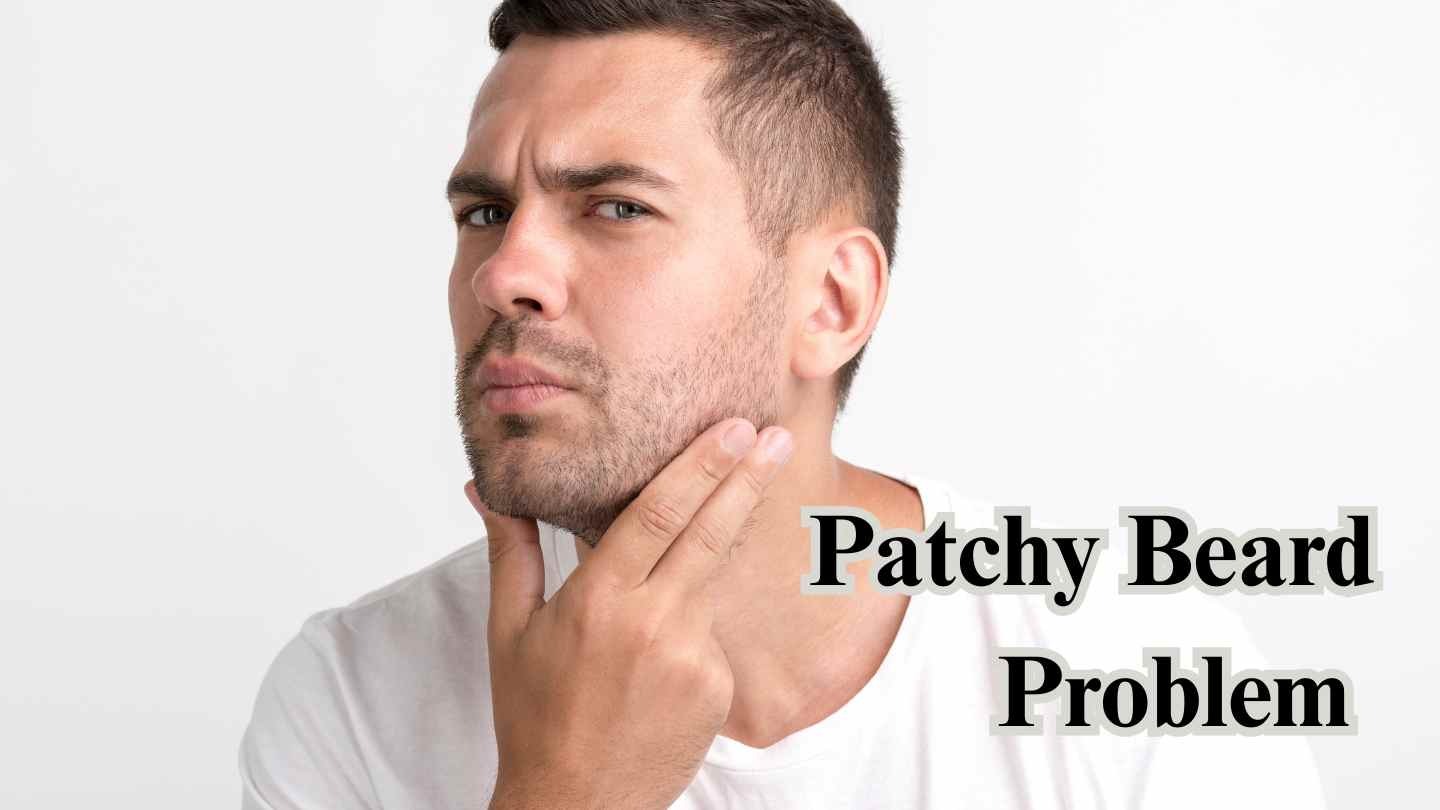

Dealing with a patchy beard problem can be frustrating for many men who want a fuller, more confident look. Uneven growth, thin spots, and slow hair development often make achieving the perfect beard seem impossible. In this article, we’ll explore proven techniques and expert-backed strategies to help you overcome these challenges. From natural remedies and beard growth oils to lifestyle adjustments, nutrition tips, and grooming routines, you’ll learn how to promote healthy hair growth and maintain a dense, well-shaped beard. Whether you’re struggling with sparse cheeks, uneven jawlines, or slow follicle development, these practical solutions will guide you toward lasting results. By the end, you’ll understand actionable steps to transform your beard and boost your confidence naturally.
Understanding the Patchy Beard Problem
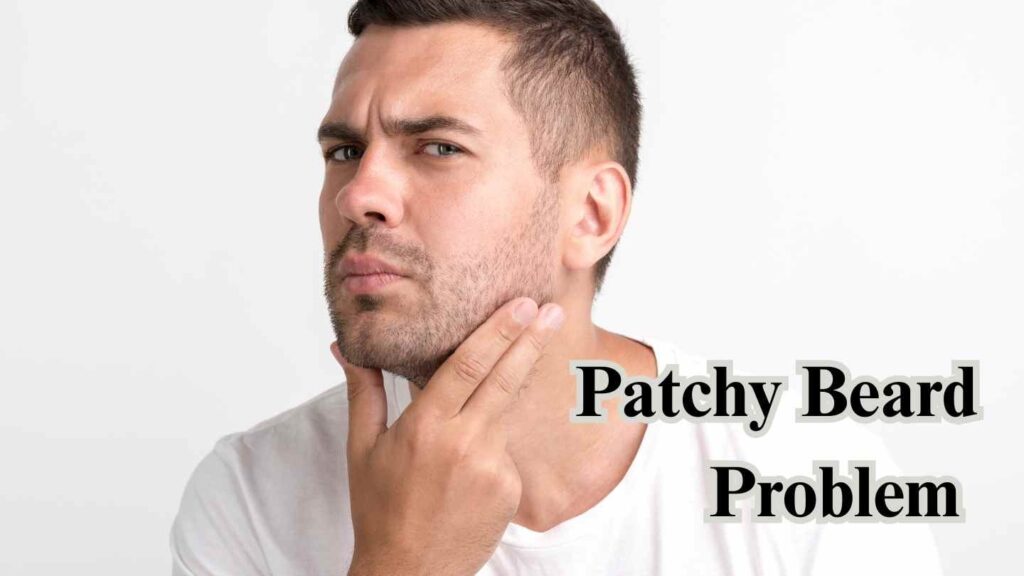
A patchy beard problem is characterized by uneven facial hair growth, where certain areas like the cheeks, jawline, or mustache appear thin or sparse. This issue can affect men of all ages and often impacts self-confidence and personal style. Beard growth is influenced by genetics, hormones, age, and overall health. While some men naturally develop thick, full beards, others may struggle with slow hair growth or inconsistent density. Understanding the root causes is essential for finding effective solutions. By addressing underlying factors, men can take informed steps to promote even growth, enhance appearance, and achieve the beard style they desire.
Facial hair growth generally begins during puberty and peaks in the late 20s. Some men experience delayed or uneven growth due to low testosterone or family genetics. Recognizing this helps in selecting the most suitable treatments and grooming strategies.
Key Causes of Patchy Beards
Genetic Factors
Genetics play a major role in determining beard density and growth patterns. If male relatives have patchy facial hair, there’s a higher chance you may experience the same. Genetic predisposition affects follicle distribution, making some areas grow thick hair while others remain sparse.
Hormonal Influence
Testosterone and dihydrotestosterone (DHT) are essential for facial hair growth. Low levels can lead to thin or uneven beards. Men with hormonal imbalances often notice slower growth and patchy areas, especially on the cheeks.
Lifestyle and Nutrition
Diet, stress, and overall health significantly impact hair growth. Lack of essential vitamins such as Biotin, Vitamin D, and zinc can weaken hair follicles. Poor sleep patterns, high stress, and unhealthy eating habits further contribute to patchy growth.
Grooming and Care Practices
Neglecting proper facial hair care can worsen a patchy beard problem. Over-trimming, rough handling, or using harsh chemicals can damage follicles. Regular maintenance and gentle grooming are critical for encouraging growth.
Effective Solutions to Overcome Patchy Beard Issues
Natural Remedies and Oils
Beard oils enriched with essential nutrients stimulate follicles and improve hair strength. Some popular options include jojoba oil, argan oil, and castor oil. Massaging the oil into the beard area boosts blood circulation, promoting hair growth over time.
Balanced Diet and Supplements
Nutrition plays a vital role in healthy facial hair. Consuming protein-rich foods, leafy greens, nuts, and fruits supplies the body with vital vitamins and minerals. Supplements like biotin, vitamin E, and omega-3 fatty acids can accelerate hair development in patchy areas.
Grooming and Styling Tips
Proper grooming can mask uneven growth and make the beard appear fuller. Techniques include:
- Trimming longer hairs to match sparse areas
- Using beard brushes to stimulate follicles
- Applying beard balms for a denser look
- Shaping the beard to highlight stronger areas
- Avoiding over-washing which dries out hair
Professional Treatments
For men with persistent patchiness, professional options like microneedling, PRP therapy, and hair transplant procedures provide lasting results. These treatments encourage natural follicle regeneration and improve overall beard density. Consulting a dermatologist or hair specialist ensures safety and effectiveness.
Steps to Promote Consistent Beard Growth
Step 1: Assess Your Beard
Identify sparse areas and evaluate overall growth patterns. This helps in selecting targeted remedies and avoiding unnecessary trimming.
Step 2: Maintain a Healthy Lifestyle
Incorporate a balanced diet, adequate sleep, and regular exercise. Reducing stress levels improves hormonal balance, which supports facial hair growth.
Step 3: Use Growth-Stimulating Products
Apply beard oils, balms, or serums consistently. Focus on patchy areas and massage for better absorption.
Step 4: Groom Strategically
Trim and shape your beard regularly. Brushing distributes natural oils, enhances appearance, and strengthens hair follicles.
Step 5: Consider Professional Assistance
If natural methods do not yield results, consult experts for treatments like microneedling or PRP therapy to achieve permanent improvements.
Benefits of Addressing Patchy Beard Issues
Correcting a patchy beard problem enhances confidence, personal grooming, and style versatility. Addressing a patchy beard problem allows men to achieve fuller beards, contributing to a more masculine appearance and providing the freedom to experiment with different styles. Additionally, maintaining a healthy beard helps improve skin condition by preventing irritation and dryness. Men who actively manage their patchy beard problem often experience improved self-esteem and greater satisfaction with their overall appearance.
Common Challenges and How to Overcome Them
Despite following growth strategies, some men face persistent patchiness. Factors such as slow-growing follicles, genetics, or hormonal deficiencies may limit results. Patience is crucial, as facial hair growth varies individually. Combining multiple approaches nutrition, grooming, natural remedies, and professional treatments often yields the best outcomes. Avoid unrealistic expectations and focus on gradual improvement for sustainable results.
Recommendations for Long-Term Beard Health
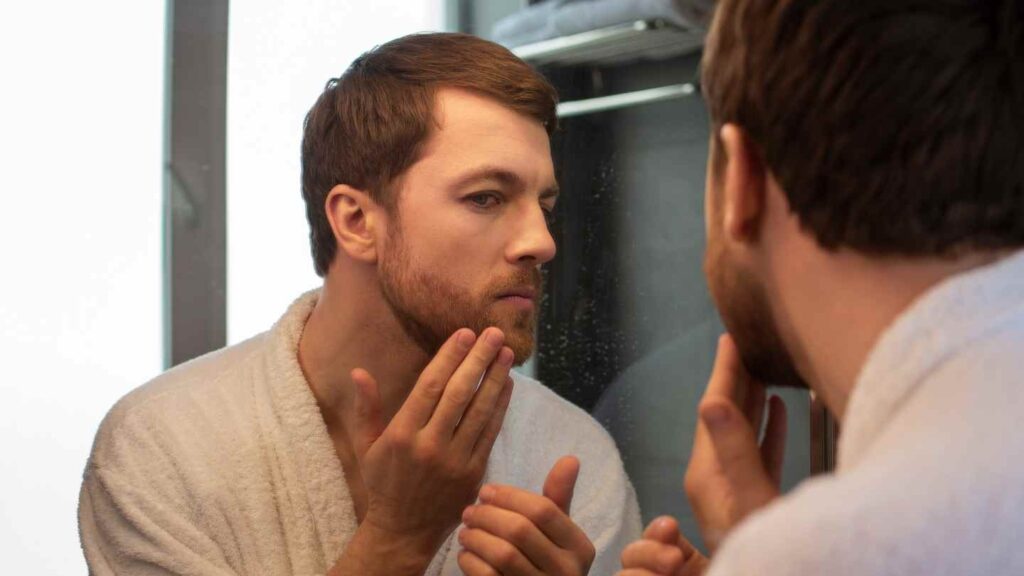
Consistency and proper care are essential to permanently resolve a patchy beard problem. Regularly nourishing follicles, maintaining a healthy lifestyle, and using high-quality grooming products can significantly improve a patchy beard problem over time. Additionally, tracking progress and adjusting methods ensures optimal results. For men seeking faster improvement, combining home remedies with professional interventions can accelerate growth and effectively address a patchy beard problem, enhancing overall beard density and appearance.
Conclusion
Addressing a patchy beard problem requires a combination of proper grooming, healthy lifestyle habits, and effective growth solutions. By understanding the causes ranging from genetics to hormonal imbalances and implementing strategies like beard oils, nutrition, and professional treatments, men can achieve fuller, denser facial hair. Consistency and patience are key to long-term results. Applying these methods not only improves appearance but also boosts confidence and personal style. With regular care, natural remedies, and expert-backed tips, overcoming uneven beard growth becomes achievable, ensuring a well-maintained and healthy beard for years to come.