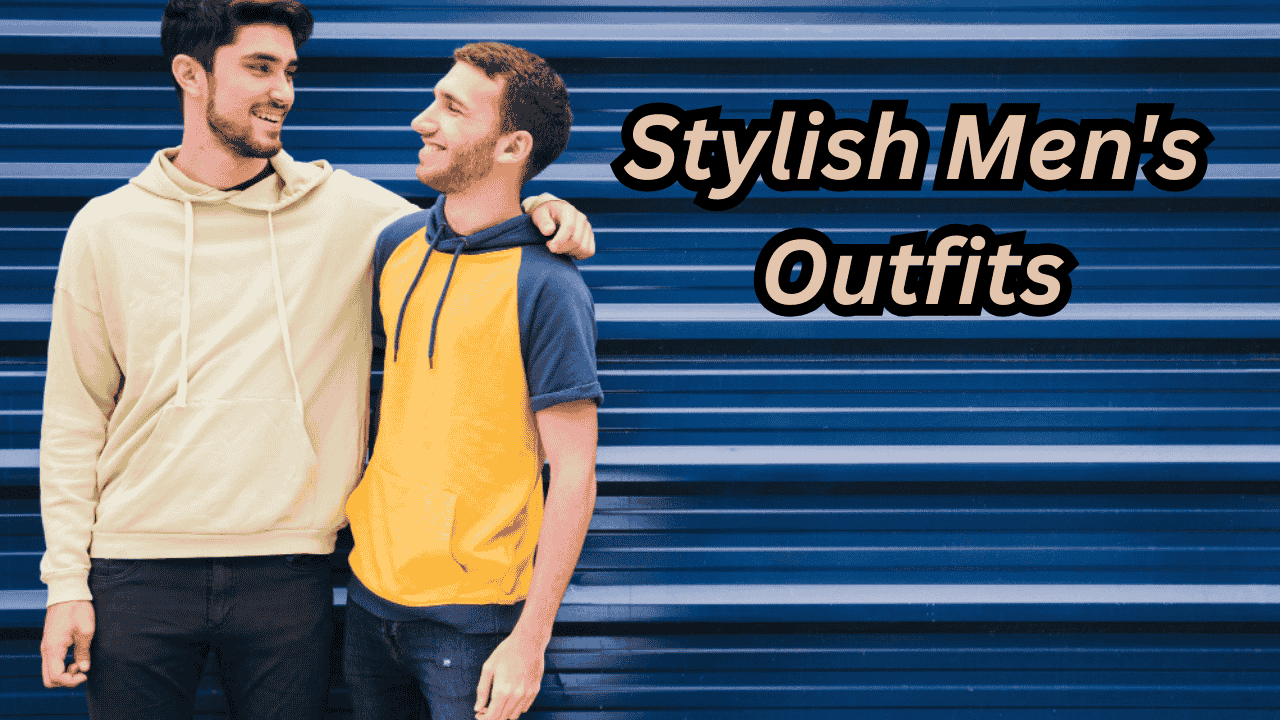

Stylish men’s outfits transform how you present yourself to the world, projecting confidence, competence, and attention to detail that influences both professional opportunities and social interactions. Developing a versatile wardrobe and understanding fundamental style principles doesn’t require designer budgets or innate fashion sense, but rather strategic choices about fit, color coordination, and timeless pieces that work across multiple occasions. Many men struggle with clothing decisions, defaulting to safe but uninspired combinations that fail to showcase their personality or maximize their appearance potential. This comprehensive guide reveals expert strategies for building sophisticated wardrobes, mastering essential outfit combinations, and adapting styles to different settings from business meetings to casual weekends.
You’ll discover wardrobe essentials every man needs, proper clothing fit guidelines, and color matching techniques that create cohesive, polished looks. We’ll explore seasonal fashion trends, accessory selection, and footwear choices that complete outfits appropriately. Additionally, you’ll learn body type considerations, budget-friendly shopping strategies, and common style mistakes undermining otherwise stylish men’s outfits despite good intentions and investment.
Understanding the Foundation of Stylish Men’s Outfits
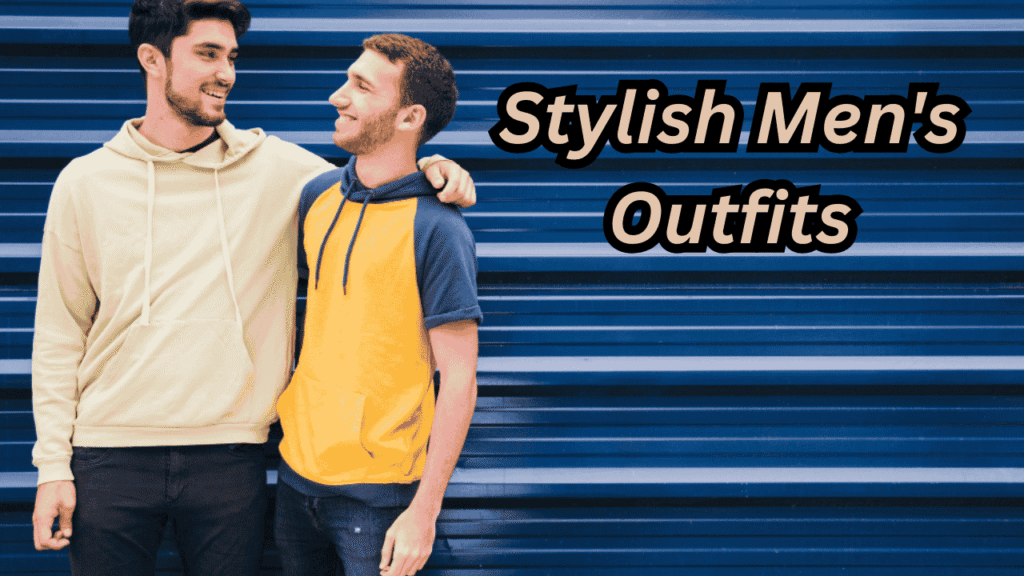
Stylish men’s outfits begin with understanding fundamental principles that transcend fleeting trends and seasonal fads. The cornerstone of exceptional style involves proper fit, appropriate occasion dressing, and color coordination that creates cohesive, intentional appearances. Men who consistently look sharp understand that expensive designer labels cannot compensate for ill-fitting garments or mismatched combinations that undermine overall presentation.
Building a functional wardrobe requires strategic investment in versatile pieces that work across multiple contexts rather than accumulating numerous trendy items with limited application. Quality outweighs quantity significantly, as fewer well-made garments that fit perfectly provide more outfit combinations than closets stuffed with mediocre pieces. This approach saves money long-term while ensuring you always have appropriate options regardless of the occasion.
The psychology of clothing influences how others perceive your competence, trustworthiness, and attention to detail. Studies consistently demonstrate that well-dressed individuals receive preferential treatment in professional settings, social situations, and even casual interactions. Understanding this impact motivates thoughtful clothing choices that align with personal goals and desired impressions.
Essential Wardrobe Building Blocks
The Core Pieces Every Man Needs
Creating stylish men’s outfits starts with acquiring foundational garments that form the basis of countless combinations. A well-fitted navy or charcoal suit serves professional requirements while working for formal social events. Quality dress shirts in white, light blue, and subtle patterns provide versatility under suits or worn casually with jeans.
Dark denim jeans in classic straight or slim fits transition seamlessly from casual to smart-casual contexts when paired appropriately. Chinos in neutral colors including khaki, navy, and grey offer polished alternatives to jeans for business-casual environments. These trousers accommodate diverse styling approaches from relaxed weekend looks to office-appropriate ensembles.
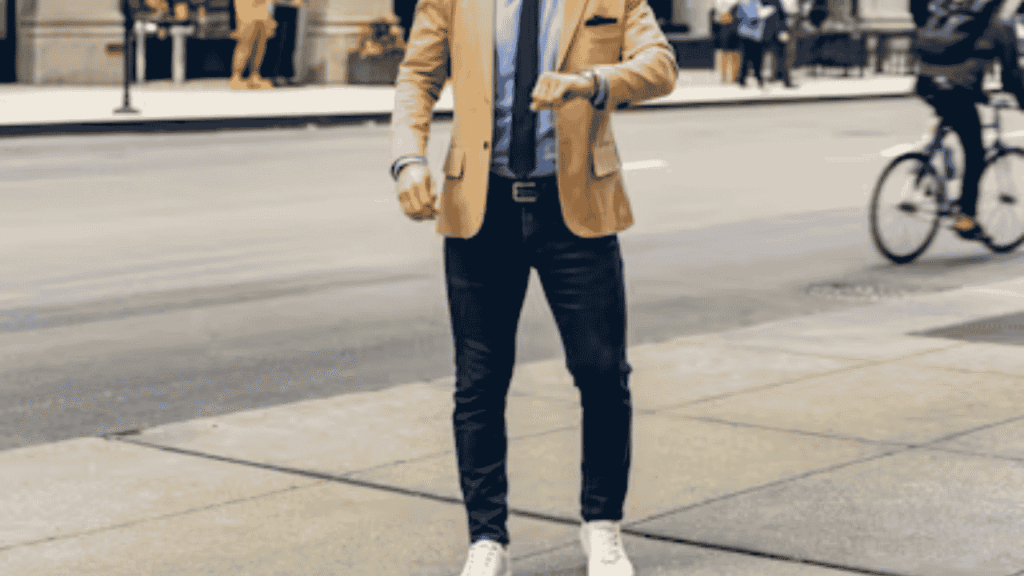
Layering pieces including blazers, cardigans, and quality sweaters extend outfit possibilities while adding sophistication to simple combinations. A navy blazer particularly proves invaluable, elevating casual outfits instantly while providing a less formal alternative to full suits. Invest in quality outerwear including leather jackets, wool coats, and versatile bomber jackets that complete looks while providing weather protection.
Footwear Fundamentals
Shoes significantly impact overall outfit success, as even perfect clothing combinations fail when paired with inappropriate or poorly maintained footwear. Every man requires dress shoes in brown and black leather for formal and professional occasions. Oxford and Derby styles offer classic versatility suitable for business settings and dressy events.
Casual footwear options including clean white sneakers, loafers, and boots provide alternatives for relaxed contexts. White sneakers particularly have achieved universal acceptance, working with everything from jeans to tailored trousers in appropriate settings. Ensure all footwear remains clean and well-maintained, as scuffed, dirty shoes undermine otherwise polished appearances dramatically.
Mastering Fit and Proportions
Understanding Proper Garment Fit
Fit represents the single most important factor determining whether outfits look stylish men’s outfits or sloppy regardless of clothing quality or price. Shoulders on jackets and shirts should align with your natural shoulder line without extending beyond or falling short. Sleeves should end at your wrist bone, allowing approximately half an inch of shirt cuff to show beyond jacket sleeves.
Trouser length should create a slight break where fabric meets shoes, avoiding excessive pooling that appears sloppy or overly short lengths exposing too much ankle inappropriately. Waistbands should sit comfortably at your natural waist without requiring belts to prevent sagging. Proper rise ensures trousers don’t create unflattering bunching or expose underwear when sitting.
Shirts should fit smoothly across the chest and shoulders without pulling or excess fabric billowing. When buttoned, you should fit one fist comfortably between shirt and chest. Avoid both skin-tight fits that restrict movement and overly loose garments that add bulk and appear unkempt.
Tailoring Investment
Professional tailoring transforms off-the-rack garments into custom-fitted pieces elevating your entire appearance. Simple alterations including hemming trousers, taking in waists, and adjusting sleeve lengths cost relatively little while delivering dramatic improvements. Consider tailoring investment essential rather than optional, as proper fit matters more than brand names or fabric quality.
Strategic Color Coordination of Stylish Men’s Outfits
Building Cohesive Color Palettes
Effective color coordination creates harmonious outfits without requiring advanced fashion knowledge. Start with neutral foundation colors including navy, grey, black, white, and earth tones that combine effortlessly. These versatile basics accommodate accent colors and patterns without clashing or creating visual confusion.
Understanding complementary colors helps create intentional, sophisticated combinations. Navy pairs beautifully with brown, burgundy, and lighter blues. Grey works with virtually everything, particularly navy, black, and jewel tones. Avoid matching too precisely, as head-to-toe single-color outfits often appear costume-like rather than stylish.
Patterns including stripes, checks, and subtle prints add visual interest when incorporated thoughtfully. Limit patterns to one or two pieces per outfit, ensuring different pattern scales that don’t compete visually. For example, pair large-check blazers with fine-striped shirts and solid trousers maintaining balance.
Creating Versatile Outfit Combinations
Mastering stylish men’s outfits involves understanding how individual pieces work together creating appropriate looks for different occasions. Follow this strategic approach:
- Identify the dress code and context determining formality level required
- Select foundational piece such as trousers or jeans establishing outfit base
- Choose complementary top balancing colors and patterns appropriately
- Add layering pieces if weather or formality requires additional coverage
- Complete with appropriate footwear and minimal accessories enhancing rather than overwhelming
Business professional settings require suits or blazers with dress trousers, dress shirts, ties, and leather dress shoes. Business casual allows blazers with chinos or dark jeans, button down shirts without ties, and loafers or clean boots. Smart casual combines quality jeans or chinos with polo shirts or casual button-downs and sneakers or casual leather shoes. Weekend casual permits comfortable jeans, t-shirts or henleys, and sneakers maintaining put-together appearance.
Accessorizing Appropriately
Watches, Belts, and Minimal Additions
Accessories complete outfits when selected thoughtfully, though restraint prevents overwhelming simple elegance. Quality watches serve both functional and aesthetic purposes, with classic designs in leather or metal bands suiting most occasions. Match watch formality to outfit context, reserving dress watches for professional settings and sports watches for casual contexts.
Belts should match shoe leather color creating visual continuity. Brown belts pair with brown shoes, black belts with black shoes. Choose simple, quality leather belts with understated buckles avoiding flashy or oversized hardware that appears juvenile.
Avoid excessive accessories including multiple bracelets, rings on every finger, or loud necklaces that distract from overall presentation. Subtle additions including pocket squares, tie bars, or simple necklaces add personality without overwhelming clean, sophisticated aesthetics.
Common Style Mistakes to Avoid
Wearing clothes that don’t fit properly represents the most prevalent mistake undermining stylish men’s outfits regardless of quality or appropriateness. Prioritize fit above all else, tailoring pieces as needed for optimal appearance.
Ignoring dress codes for specific occasions creates awkward situations and negative impressions. Understanding context and dressing appropriately demonstrates social awareness and respect for different settings.
Neglecting shoe care and wearing worn, dirty footwear sabotages otherwise excellent outfits. Maintain shoes regularly, polish leather periodically, and replace worn footwear before it becomes noticeably deteriorated.
CONCLUSION
Building stylish men’s outfits requires understanding fundamental principles including proper fit, strategic color coordination, and versatile wardrobe essentials that work across multiple occasions. From investing in quality foundational pieces like navy blazers, well-fitted jeans, and classic dress shoes to mastering appropriate combinations for business professional, smart casual, and weekend contexts, each element contributes to polished, confident presentation.
Success depends on prioritizing fit over brand names, maintaining footwear properly, and accessorizing with restraint rather than excess. Avoid common mistakes like ignoring dress codes, wearing ill-fitting garments, or neglecting shoe care that undermine otherwise excellent clothing choices. Start developing your stylish men’s outfits today by assessing your current wardrobe, identifying essential missing pieces, and investing in quality items that reflect your personal style while meeting professional and social requirements for lasting impression and confidence.