
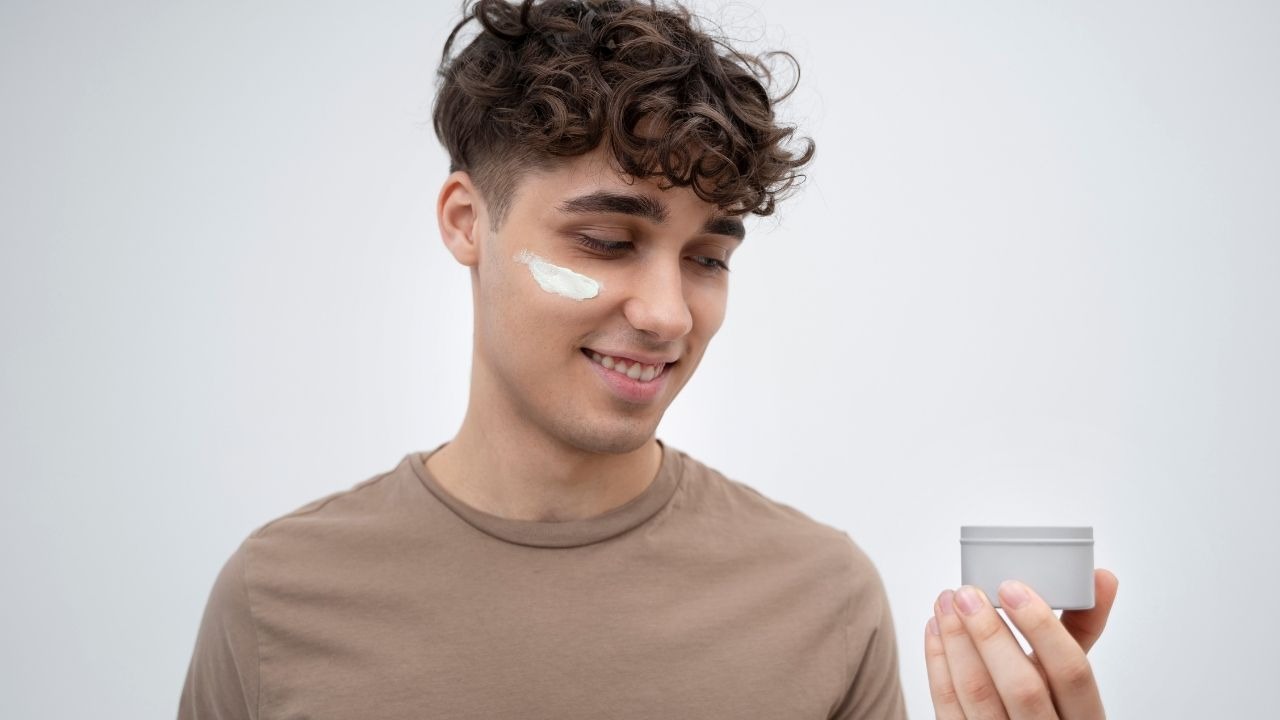

Choosing the right winter moisturizer for men is the most impactful grooming decision you can make from November through March. When temperatures plummet, outdoor air loses most of its moisture content while indoor heating systems drain whatever humidity remains. Your skin gets hit from both sides, leading to flaking, tightness, visible redness, and accelerated aging.
According to the American Academy of Dermatology, the skin barrier weakens considerably during colder months, which makes consistent moisturizing a necessity rather than a luxury (AAD). If you have ever reached mid February with a cracked, irritated face, you already know how quickly cold weather punishes neglected skin.
Male skin also has unique characteristics that affect winter hydration. Research published in the International Journal of Cosmetic Science indicates that men’s skin is approximately 20% thicker than women’s and generates more sebum (Wiley Online Library). That additional oil seems like built in protection, but freezing wind and arid indoor air strip it away rapidly, leaving even naturally oily complexions feeling dehydrated.
Table of Contents
How Winter Weather Damages Men’s Skin
Cold weather compromises your skin through several overlapping mechanisms. Recognizing each one helps you build a targeted defense.
Lipid barrier erosion: A thin lipid layer on the skin’s surface locks in moisture. Sub zero temperatures and biting wind break down this barrier faster than your body can repair it, creating gaps where hydration escapes.
Transepidermal water loss (TEWL): Both outdoor air and heated indoor environments carry very little water vapor during winter. Your skin steadily loses moisture to its surroundings through evaporation, a process dermatologists measure as TEWL.
Scalding hot showers: Most men turn up the water temperature once cold weather arrives. While the warmth feels comforting, hot water dissolves the natural oils that shield your skin, making dryness significantly worse.
Clothing friction: Heavy scarves, wool turtlenecks, and high collared jackets constantly rub against the neck and jawline. That repeated friction irritates already compromised skin and amplifies the dryness cycle.
Key Ingredients to Look for in a Men’s Winter Face Cream
The best cold weather moisturizer for men is only as effective as its ingredient list. Prioritize these proven actives when evaluating products.
Humectants: Pull Moisture Into Your Skin
Hyaluronic acid is the gold standard humectant. It attracts water molecules and can hold up to 1,000 times its own weight in moisture. Look for it listed near the top of any product formula.
Glycerin is another highly effective and affordable humectant found in most quality moisturizers. It draws moisture from the deeper layers of your skin and from the environment into the outer surface.
Emollients and Occlusives: Seal Hydration In
Ceramides replicate the natural lipids in your skin barrier. They fill in cracks between skin cells and help restore the protective layer that winter destroys. CeraVe’s clinical research identifies ceramides as essential for repairing a damaged moisture barrier (CeraVe).
Shea butter and squalane deliver deep, lasting hydration without excessive greasiness. Both ingredients work particularly well for men exposed to prolonged outdoor cold.
Niacinamide (Vitamin B3) calms redness, reduces irritation, and reinforces the skin’s outer layer. It combines safely with nearly every other active ingredient, making it a versatile addition to any winter formula.
SPF Protection: Non Negotiable Year Round
UV radiation does not take a winter break. Snow reflects up to 80% of ultraviolet rays back toward your face, essentially doubling your exposure on bright winter days. The Skin Cancer Foundation recommends broad spectrum SPF 30 or higher every day of the year (Skin Cancer Foundation). A men’s winter moisturizer with built in SPF handles hydration and sun defense in a single step.
Best Winter Moisturizers for Men: Top Picks by Skin Type
One of the biggest gaps in most winter skincare advice is the lack of specific product recommendations. Here are reliable options organized by skin type, each selected for ingredient quality, absorption speed, and cold weather performance.
For Dry Skin
CeraVe Moisturizing Cream remains a dermatologist favorite. It contains three essential ceramides, hyaluronic acid, and MVE technology for sustained 24 hour hydration. It absorbs cleanly despite its rich texture. Available at most drugstores for under $20.
Kiehl’s Ultra Facial Cream uses glacial glycoprotein and squalane to protect skin against harsh cold. It is lightweight enough for daily wear under a beard or stubble without feeling heavy.
For Oily and Acne Prone Skin
Neutrogena Hydro Boost Water Gel delivers oil free hydration through hyaluronic acid in a gel cream texture that never clogs pores. Research from the Journal of Drugs in Dermatology supports hyaluronic acid as effective for oily skin hydration without triggering excess sebum production.
La Roche Posay Toleriane Double Repair Face Moisturizer offers ceramide based repair with niacinamide and prebiotic thermal water, all in a non comedogenic formula.
For Sensitive Skin
Vanicream Moisturizing Cream is free of dyes, fragrance, lanolin, parabens, and formaldehyde. The National Eczema Association recognizes it with their Seal of Acceptance (NEA).
Aveeno Calm + Restore Oat Gel Moisturizer uses prebiotic oat and feverfew to soothe reactive skin without irritation.
For Combination Skin
Clinique for Men Maximum Hydrator balances oil control in the T zone with deep moisture delivery on drier cheeks and jawline. It absorbs quickly and layers well under SPF.
| Skin Type | Top Pick | Key Ingredients | Price Range |
| Dry | CeraVe Moisturizing Cream | Ceramides, hyaluronic acid | Under $20 |
| Oily | Neutrogena Hydro Boost | Hyaluronic acid, glycerin | Under $25 |
| Sensitive | Vanicream Moisturizing Cream | Petrolatum, ceramides | Under $15 |
| Combination | Clinique for Men Maximum Hydrator | Hyaluronic acid, caffeine | Under $40 |
Step by Step Winter Skincare Routine for Men
An effective men’s cold weather skincare routine requires just five steps, morning and evening.
- Cleanse with a sulfate free face wash. Cream or milk based cleansers remove dirt without stripping the natural oils your skin desperately needs during winter. Avoid foaming formulas that leave your face feeling tight.
- Apply a hydrating toner or essence. A quick layer of glycerin or rose water based toner adds baseline moisture before heavier products. Pat it onto slightly damp skin.
- Use a hyaluronic acid serum. Apply two to three drops on damp skin. The serum pulls moisture into the surface layers and can dramatically reduce flaking within days.
- Layer on your winter moisturizer. Use a nickel sized amount and press it gently across your face, neck, and jawline. Patting motions work better than rubbing, which can aggravate stressed winter skin.
- Finish with SPF every morning. If your moisturizer does not include sun protection, apply a standalone broad spectrum sunscreen as your final daytime step.
At night, replace the sunscreen step with a richer overnight cream or a few drops of jojoba or argan facial oil to create a moisture seal while you sleep.
Common Mistakes Men Make with Winter Moisturizing
Many men who do moisturize still undermine their results through avoidable errors.
Skipping moisturizer because of oily skin. Dehydrated skin compensates by overproducing oil, which often leads to more breakouts. An oil free, lightweight winter cream solves this paradox without clogging pores.
Applying moisturizer to fully dry skin. Products absorb best and lock in more moisture when applied to a slightly damp face. Pat with a towel after washing and apply within 60 seconds.
Using the same formula year round. A gel moisturizer that works in July provides almost zero protection against January wind chill. The Cleveland Clinic advises switching to thicker, cream based products once temperatures consistently fall below 50°F (Cleveland Clinic).
Neglecting lips and hands. Exposed extremities lose moisture just as fast as your face. Keep a beeswax or petroleum based lip balm and a thick hand cream in your daily rotation.
Taking excessively hot showers. The Mayo Clinic notes that hot water strips protective oils from the skin more aggressively than almost any other factor (Mayo Clinic). Keep showers under 10 minutes and use lukewarm water.
Lifestyle Habits That Boost Winter Skin Hydration
Your moisturizer works better when supported by a few simple environmental and dietary adjustments.
Run a humidifier in your bedroom. Heated indoor air often drops below 20% relative humidity. A bedroom humidifier that maintains 40% to 60% humidity prevents overnight moisture loss while you sleep.
Stay consistently hydrated internally. Research published in the European Journal of Clinical Nutrition links regular water intake to improved skin elasticity and overall hydration levels. No magic number exists, but steady daily intake supports your topical products from the inside.
Layer fabrics strategically. Wear soft cotton or bamboo directly against your skin beneath wool scarves and sweaters. This buffer prevents the friction and irritation that rough fabrics cause on the neck and chin.
Exfoliate gently once per week. Dead skin buildup blocks moisturizer absorption. A mild chemical exfoliant containing lactic acid clears that layer without the micro damage caused by harsh physical scrubs.
Avoid alcohol based aftershaves. Traditional aftershaves with high alcohol content strip moisture immediately after shaving, which is the worst possible time for dehydrated winter skin. Switch to an alcohol free, soothing post shave balm.
Winter Moisturizer for Men with Beards: Special Considerations
Facial hair adds a unique challenge during cold months. Beards trap some moisture near the skin, but they also prevent moisturizer from reaching the surface underneath.
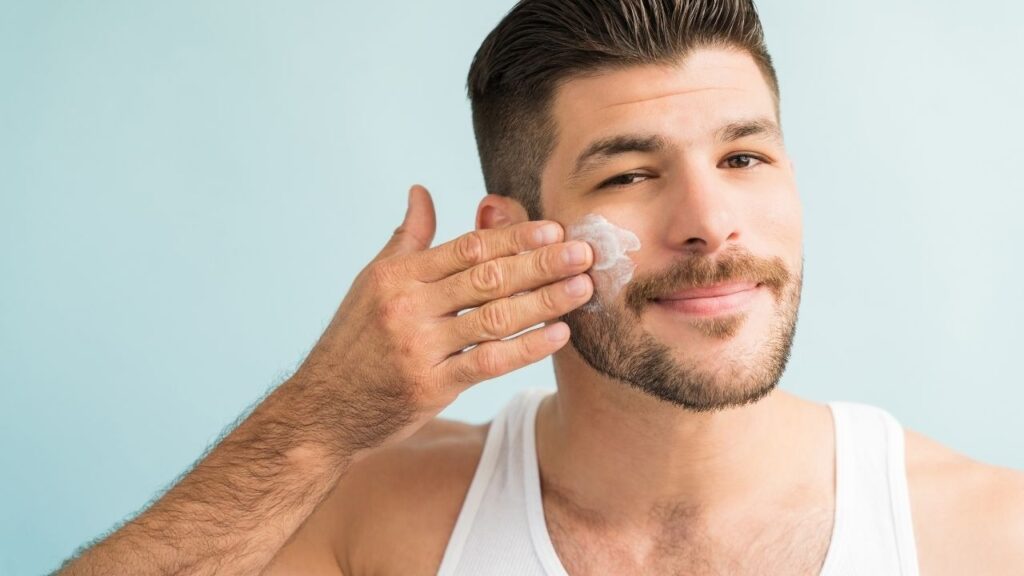
Apply a lightweight facial moisturizer directly to the skin beneath your beard using your fingertips, working the product down through the hair. Follow with a beard oil containing jojoba or argan to condition the hair itself and prevent the brittle, itchy dryness that plagues many bearded men in winter.
For stubble or shorter beards, a standard face cream works fine as long as you massage it thoroughly past the hair into the skin below.
Conclusion
Keeping your skin healthy throughout winter does not demand a complicated or expensive routine. The right winter moisturizer for men, matched to your specific skin type and paired with smart habits like lukewarm showers, consistent SPF, and a bedroom humidifier, prevents the cracking, redness, and discomfort that affect millions of men each cold season.
Identify your skin type from the guide above, select a product that fits your needs and budget, and commit to applying it twice daily. Most men see a noticeable improvement within five to seven days.
Found this guide useful? Share it with a friend who battles dry skin every winter, or drop your favorite cold weather product in the comments below.
How often should men apply moisturizer during winter?
Apply a winter moisturizer at least twice daily, once after your morning wash and again before bed. If your skin feels tight or dry during the day, especially after hand washing or outdoor exposure, an additional midday application is perfectly appropriate.
Can men with oily skin benefit from a winter moisturizer?
Yes. Oily skin still experiences dehydration in cold weather, and skipping moisturizer signals your sebaceous glands to produce even more oil. A lightweight, oil free formula with hyaluronic acid delivers hydration without triggering breakouts or congestion.
What makes a winter moisturizer different from a summer moisturizer?
Winter formulas rely on richer, thicker textures featuring occlusive ingredients like ceramides, shea butter, and squalane that form a protective seal over the skin. Summer moisturizers are typically gel or water based, designed for lighter coverage in humid environments where heavy creams feel uncomfortable.
Should men use face oil instead of moisturizer in winter?
Face oils and moisturizers perform complementary but distinct functions. Oils create an occlusive seal that prevents moisture escape, but they do not actively add water to your skin. For best results, apply a hydrating moisturizer first, then layer two to three drops of facial oil on top to lock in that hydration.
Is sunscreen really necessary for men during winter months?
Absolutely. Ultraviolet radiation remains present year round, and snow can reflect a large percentage of UV rays directly back toward exposed skin. The Skin Cancer Foundation advises daily broad spectrum SPF 30 regardless of season (Skin Cancer Foundation).
At what age should men start using a dedicated winter moisturizer?
Dermatologists generally recommend building moisturizing habits in the late teens or early twenties, especially once regular shaving begins. Shaving removes a thin layer of skin cells along with hair, increasing vulnerability to cold weather dryness and irritation.