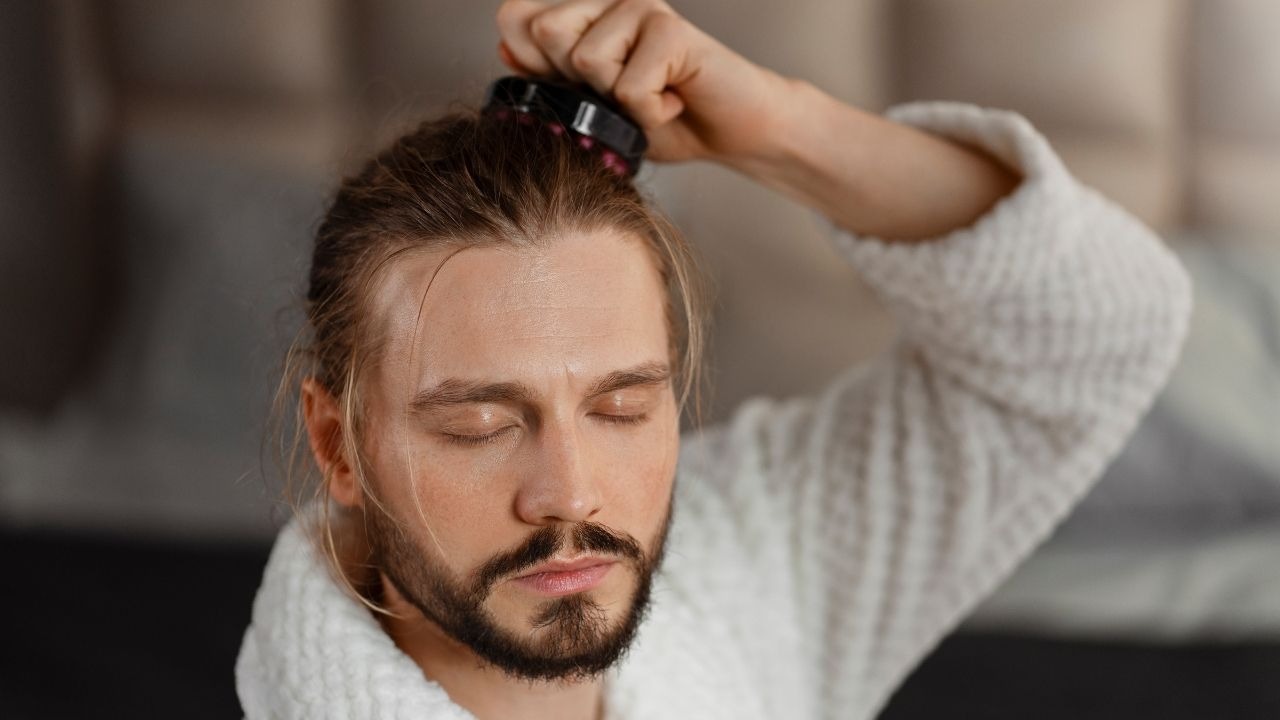

The most effective scalp care tips target the root cause of almost every hair concern: the condition of your scalp itself. Whether you are struggling with persistent dandruff, unexplained hair thinning, or an oily, itchy head, the answer almost always starts with how you treat the skin beneath your hair.
Your scalp contains roughly 100,000 hair follicles, and each one depends on a healthy surrounding environment to produce strong, resilient strands. Research published in the International Journal of Cosmetic Science confirms that scalp condition directly influences hair fiber diameter, growth speed, and overall strand quality.
This guide goes beyond surface level advice. You will learn how to identify your scalp type, select the right active ingredients, build a daily and seasonal routine, eat for scalp health, and recognize when professional help is necessary.
Table of Contents
Understanding Your Scalp Type
Choosing the right scalp care routine starts with knowing your scalp type. There are four primary categories, and each responds differently to products and environmental conditions.
Oily scalp overproduces sebum, leaving hair looking greasy within 12 to 24 hours after washing. This type is prone to clogged follicles and may contribute to conditions like seborrheic dermatitis.
Dry scalp feels tight and sometimes produces fine, white flakes that are often mistaken for dandruff. True dry scalp results from insufficient oil production or moisture loss, not fungal overgrowth.
Combination scalp behaves differently across zones. The crown and top tend to be oilier, while the hairline, temples, and nape stay drier. This type requires a more targeted approach to product application.
Sensitive scalp reacts to fragrances, sulfates, alcohol based products, and even temperature changes. Redness, stinging, and irritation are common signs.
| Scalp Type | Key Signs | Recommended Focus |
| Oily | Greasy roots, flat hair, clogged pores | Lightweight, balancing cleansers |
| Dry | Tightness, fine flakes, itchiness | Hydrating, barrier repair products |
| Combination | Oily crown, dry edges | Zone specific treatment |
| Sensitive | Redness, stinging, reactivity | Fragrance free, gentle formulas |
The Scalp Microbiome: Your Hidden Health Layer
Your scalp hosts a complex ecosystem of bacteria, fungi, and other microorganisms known collectively as the scalp microbiome. When this community stays balanced, your scalp remains calm and your follicles function optimally. When it falls out of balance, problems like dandruff, inflammation, and excess oiliness often follow.
A landmark study published in Scientific Reports by Nature found that individuals with dandruff had significantly different microbial compositions compared to those with healthy scalps, with higher concentrations of Staphylococcus bacteria and lower levels of Propionibacterium.
To protect your microbiome, avoid over cleansing with harsh sulfates, limit antibiotic based topical treatments unless prescribed, and consider probiotic infused scalp serums that are increasingly available in the market.
Daily Scalp Hygiene Habits That Actually Work
Consistent daily habits form the backbone of every effective scalp care routine. Dermatologists agree on several foundational practices that benefit virtually every scalp type.
Wash at the right frequency. The American Academy of Dermatology recommends tailoring your wash schedule to your hair type, activity level, and oil production rather than following a rigid rule. For most people, every two to three days works well, while very oily scalps may need daily washing.
Apply shampoo to the scalp, not the lengths. Lather your cleanser directly onto the scalp using your fingertips in gentle circular motions. This lifts dirt, sebum, and product residue from the skin surface without creating micro abrasions that fingernails can cause.
Use lukewarm water for rinsing. Water that is too hot dissolves the scalp’s protective lipid layer, which triggers a rebound effect where oil glands overcompensate. Lukewarm water cleanses effectively while preserving your moisture barrier.
Dry with care. Aggressive towel rubbing creates friction that irritates the scalp and weakens hair at the root. Blot gently with a soft microfiber towel instead.
Keep styling tools at a safe distance. Blow dryers held too close to the scalp can cause thermal damage to the skin. Maintain at least six inches of distance and use a medium heat setting.
Best Ingredients for Scalp Care Products
The difference between a product that works and one that doesn’t almost always comes down to its active ingredients. Here are the most effective, research backed compounds for scalp health:
Salicylic acid is a beta hydroxy acid that dissolves dead skin cells and excess sebum inside the pore. It is especially effective for dandruff, seborrheic dermatitis, and product buildup.
Tea tree oil (Melaleuca alternifolia) has well documented antifungal and antibacterial properties. A clinical trial published in the Journal of the American Academy of Dermatology demonstrated that a 5% tea tree oil shampoo produced a 41% improvement in dandruff severity compared to placebo.
Niacinamide (Vitamin B3) reinforces the skin barrier, reduces transepidermal water loss, and calms redness. It is one of the best options for sensitive or reactive scalps.
Zinc pyrithione is among the most extensively studied antifungal agents in dermatology. It targets the Malassezia yeast responsible for most cases of dandruff and is found in many over the counter medicated shampoos.
Hyaluronic acid attracts and holds moisture in the skin, making it valuable for dry, tight, or flaky scalps that need hydration without added weight or greasiness.
Rosemary oil has gained significant attention after research in SKINmed Journal showed it performed comparably to 2% minoxidil for hair regrowth when applied consistently over six months.
Centella Asiatica (Cica) is an anti inflammatory botanical that soothes irritation and supports tissue repair. It is becoming a staple in Korean scalp care formulations.
| Ingredient | Best For | How It Works |
| Salicylic Acid | Dandruff, buildup | Exfoliates inside pores |
| Tea Tree Oil | Fungal/bacterial issues | Antimicrobial action |
| Niacinamide | Sensitivity, redness | Barrier repair |
| Zinc Pyrithione | Dandruff | Antifungal |
| Hyaluronic Acid | Dryness, flaking | Moisture retention |
| Rosemary Oil | Thinning hair | Stimulates follicles |
| Centella Asiatica | Irritation, redness | Anti inflammatory |
Scalp Exfoliation: How Often and How to Do It Right
Exfoliating your scalp one to two times per week removes accumulated dead skin, styling product residue, and excess oil that regular shampooing leaves behind. It keeps follicles unclogged and allows serums and treatments to absorb more effectively.
Physical exfoliants use fine granules like sugar, salt, or bamboo powder to manually slough off buildup. These work best when massaged gently in circular motions on a wet scalp before shampooing.
Chemical exfoliants rely on acids like salicylic acid, glycolic acid, or lactic acid to dissolve dead cells without manual scrubbing. These tend to distribute more evenly and are generally gentler on sensitive scalps.
Step by step scalp exfoliation:
- Wet your hair and scalp thoroughly
- Apply the exfoliant in sections, focusing on areas with the most buildup
- Massage with fingertips for 60 to 90 seconds using light to medium pressure
- Let the product sit for one to two minutes if the label directs
- Rinse completely and follow with your regular shampoo and conditioner
Over exfoliating is a common mistake. If your scalp feels raw, tender, or unusually red after exfoliating, reduce frequency to once a week or switch to a milder chemical formula.
Scalp Massage Techniques for Hair Growth
Scalp massage is one of the simplest and most underused scalp care tips for promoting thicker, healthier hair. It increases blood flow to the follicles, delivering more oxygen and nutrients to the hair root.
A 2016 study published in ePlasty found that standardized scalp massages performed for approximately four minutes daily over 24 weeks led to measurable increases in hair thickness. The researchers concluded that mechanical stretching of dermal papilla cells activates growth pathways within the follicle.
How to perform an effective scalp massage:
- Place all ten fingertips on your scalp with medium pressure
- Begin at the temples and use small circular motions
- Slowly work upward toward the crown
- Move to the back of the head and down to the nape
- Continue for four to five minutes
For added benefit, apply a small amount of jojoba oil or rosemary oil before massaging. Silicone scalp massager tools are also effective and reduce hand fatigue during longer sessions.
Best Foods for Scalp Health
Topical products can only do so much. What you eat directly affects sebum production, inflammation levels, follicle strength, and how quickly your scalp recovers from damage.
Protein is non negotiable. Hair is composed almost entirely of keratin, and without adequate protein intake, follicles cannot produce strong strands. Eggs, chicken, lentils, and Greek yogurt are excellent daily sources.
Omega 3 fatty acids reduce scalp inflammation and support healthy oil production. Salmon, sardines, walnuts, and flaxseeds are among the richest sources. A clinical review published in the Journal of Cosmetic Dermatology linked omega 3 supplementation with improved hair density and reduced shedding in women.
Iron and zinc are two minerals whose deficiency most commonly contributes to hair loss. According to the Cleveland Clinic, low iron is one of the leading correctable causes of hair shedding. Spinach, red meat, pumpkin seeds, and chickpeas help maintain healthy levels.
Biotin (Vitamin B7) supports keratin infrastructure and is widely referenced in dermatological literature as beneficial for hair and scalp health. Almonds, sweet potatoes, eggs, and avocados are reliable food sources.
Vitamin D plays a role in follicle cycling. Research suggests that vitamin D deficiency is associated with alopecia areata and general hair thinning. Sunlight exposure, fortified dairy, and fatty fish contribute to adequate levels.
Water is often overlooked. Chronic dehydration leads to a dry, flaky scalp. Aim for at least eight glasses daily, and increase intake during hot weather or intense physical activity.
Common Scalp Problems and Proven Solutions
Even with the best routine, scalp issues can develop. Here are the most common conditions and evidence based ways to manage each one.
Dandruff results from an overgrowth of Malassezia yeast on the scalp surface. Medicated shampoos containing ketoconazole, zinc pyrithione, or selenium sulfide are the standard first line treatments. Rotating between two different active ingredients every few weeks can prevent the yeast from adapting.
Seborrheic dermatitis is a more severe, chronic form of dandruff that causes red, scaly, and sometimes painful patches. It often requires prescription strength topical antifungals or corticosteroids, so consult a dermatologist if over the counter options do not resolve it.
Scalp psoriasis presents as thick, silvery white plaques that may extend beyond the hairline. The National Psoriasis Foundation lists coal tar shampoos, topical corticosteroids, and vitamin D analogues as common treatments. Severe cases may require phototherapy or systemic medications.
Product buildup occurs when silicones, waxes, dry shampoo, and styling products accumulate layer by layer on the scalp. A clarifying shampoo used once every one to two weeks effectively strips this residue and resets your scalp.
Folliculitis is an infection of the hair follicles that appears as small red bumps or pus filled spots on the scalp. It can result from bacterial or fungal causes and often develops from tight hairstyles, excessive sweating, or infrequent washing.
Sun damage is frequently ignored because hair covers the scalp. However, the scalp is still exposed skin, particularly along the part line. Prolonged UV exposure increases the risk of dryness, premature aging, and skin cancer. Wearing a hat, applying a scalp specific SPF spray, or using UV protective hair products offers simple defense.
Scalp Care Tips for Every Hair Texture
Different hair textures have different scalp care needs. A routine that works for someone with fine, straight hair may not suit someone with thick, coily hair.
Straight and fine hair tends toward oiliness because sebum travels easily down the hair shaft. Lightweight, balancing shampoos and more frequent washing typically work best. Avoid heavy oils or butters directly on the scalp.
Wavy and medium textured hair often has a combination scalp. Focus cleansing products on the roots and use lighter conditioners only on the mid lengths and ends to avoid weighing down the scalp area.
Curly hair generally benefits from less frequent washing (once or twice a week) because the curl pattern slows sebum distribution. Co washing (using a cleansing conditioner instead of shampoo) can maintain moisture without over stripping.
Coily and kinky hair (Type 4) requires the most moisture focused scalp care. Lightweight scalp oils like jojoba or sweet almond applied directly to the scalp between wash days prevent dryness without clogging follicles. Pre poo treatments (applying oil before shampooing) help protect the scalp’s moisture barrier during cleansing.
Protective style wearers (braids, twists, wigs, weaves) need to pay extra attention to scalp hygiene. Buildup and lack of airflow under protective styles can lead to irritation and folliculitis. Using a witch hazel or tea tree toner applied with a nozzle bottle between washes keeps the scalp clean and balanced.
Seasonal Scalp Care Adjustments
Your scalp’s needs shift throughout the year, and adjusting your routine seasonally prevents recurring problems.
Winter: Cold outdoor air combined with dry indoor heating strips moisture from the scalp rapidly. Switch to a sulfate free, hydrating shampoo. Add a weekly scalp oil treatment with jojoba or argan oil. Avoid excessively hot showers, which worsen dryness.
Spring: As temperatures rise, the scalp begins producing more oil. This is a good time for a “scalp reset” using a clarifying shampoo and a chemical exfoliant to clear winter buildup.
Summer: Heat, humidity, sweat, and UV exposure create a perfect environment for fungal growth and excess oiliness. Wash more frequently, use a lightweight antifungal shampoo if needed, and protect your scalp from the sun with hats or SPF sprays.
Autumn: Transitional weather can cause temporary sensitivity. Simplify your routine, avoid introducing new products, and focus on gentle hydration to prepare your scalp for winter.
Overnight Scalp Treatments Worth Trying
Overnight treatments give active ingredients extended contact time with the scalp, which can amplify their effectiveness.
Warm oil treatment: Apply a small amount of warmed jojoba, coconut, or argan oil directly to the scalp before bed. Massage it in for three to four minutes, cover with a silk or satin bonnet to protect your pillowcase, and shampoo it out the next morning. This is especially beneficial for dry and flaky scalps.
Leave on scalp serum: Several dermatologist recommended brands now offer overnight serums containing niacinamide, peptides, or salicylic acid designed to work while you sleep. These lightweight formulas absorb quickly and do not leave heavy residue.
Aloe vera gel: Pure aloe vera applied directly to the scalp overnight can soothe irritation and reduce redness. Its natural anti inflammatory and antimicrobial properties make it a simple home remedy for reactive scalps.
When to See a Dermatologist
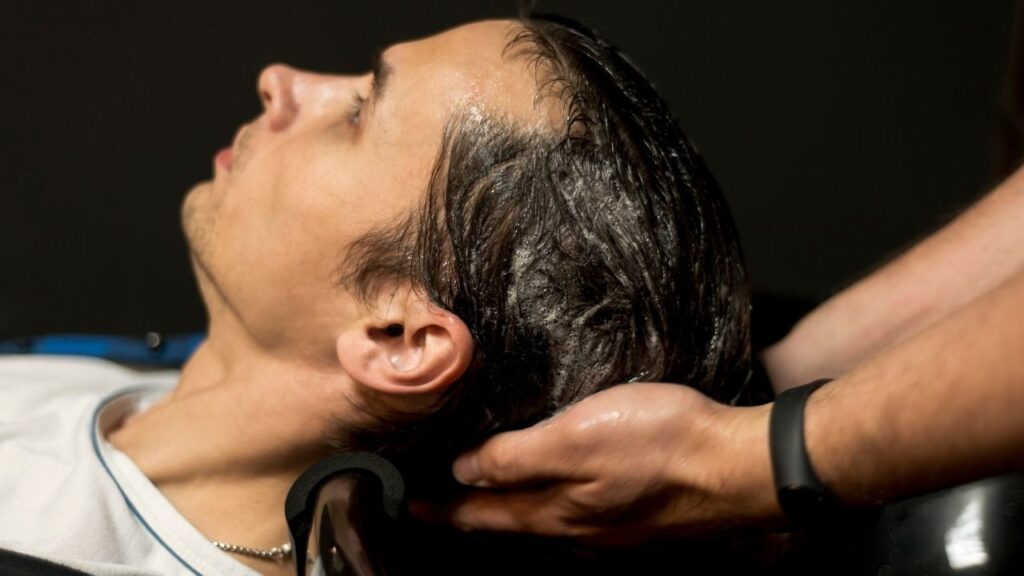
Self care works for most everyday scalp concerns, but some situations require professional evaluation.
See a board certified dermatologist if you experience any of the following: persistent flaking or itching that does not respond to over the counter treatments after four to six weeks, sudden or patchy hair loss, painful sores or lesions on the scalp, spreading redness or swelling, or any unusual changes in the skin along your part line or hairline.
Early intervention often prevents minor issues from becoming chronic conditions. A dermatologist can perform a scalp biopsy, prescribe targeted medications, and rule out underlying health conditions that may be affecting your scalp and hair.
Conclusion: Your Scalp Deserves a Real Routine
Every effective hair care journey begins at the scalp. The scalp care tips in this guide, from understanding your scalp type and choosing the right active ingredients to eating well, adjusting seasonally, and knowing when to seek professional help, provide a complete, actionable framework for long term scalp health.
Start simple. Identify your scalp type, pick one or two changes from this guide, and stay consistent for at least four weeks before evaluating results. Small, informed habits compound into visible improvements faster than any single miracle product.
If this guide helped you, share it with someone who has been struggling with their scalp or leave a comment with the tip that made the biggest difference for you.
How often should I wash my hair for a healthy scalp?
Most scalp types do well with washing every two to three days. Oily scalps may need daily cleansing, while dry or coily hair types can often extend to once a week. The goal is removing buildup without stripping the scalp’s natural protective oils.
Can stress cause scalp problems?
Yes. Chronic stress elevates cortisol levels, which can increase oil production, trigger flaking, and contribute to telogen effluvium, a condition where hair follicles prematurely enter the shedding phase. Regular exercise, quality sleep, and stress management techniques can reduce these effects.
Is it bad to scratch an itchy scalp?
Scratching with your fingernails can create tiny wounds that are vulnerable to bacterial infection and further inflammation. If your scalp itches frequently, apply a soothing serum with tea tree oil or niacinamide, and consult a dermatologist if the itching persists beyond two weeks.
Do scalp serums actually work?
Scalp serums containing active ingredients like niacinamide, salicylic acid, peptides, or caffeine can deliver meaningful results when used consistently as part of a broader routine. They are not a replacement for proper cleansing and nutrition, but they effectively target specific concerns like dryness, irritation, or thinning.
What is the best natural remedy for a dry scalp?
Jojoba oil is one of the most effective natural options because its molecular structure closely resembles human sebum, allowing it to absorb easily without clogging pores. Apply a few drops directly to the scalp, massage gently, leave it on overnight, and wash it out in the morning.
How do I know if I have dandruff or a dry scalp?
Dandruff flakes tend to be larger, yellowish, and oily, and they result from fungal overgrowth. Dry scalp flakes are smaller, white, and powdery, and they result from insufficient moisture. If an antifungal shampoo resolves the flaking, it was likely dandruff. If a hydrating treatment works better, you were dealing with dry scalp.
Should I see a doctor about my scalp issues?
If over the counter products and consistent routine changes fail to improve your symptoms within four to six weeks, a board certified dermatologist can help. Persistent redness, pain, unusual hair loss, or spreading lesions should always be evaluated professionally to rule out conditions that require medical treatment.