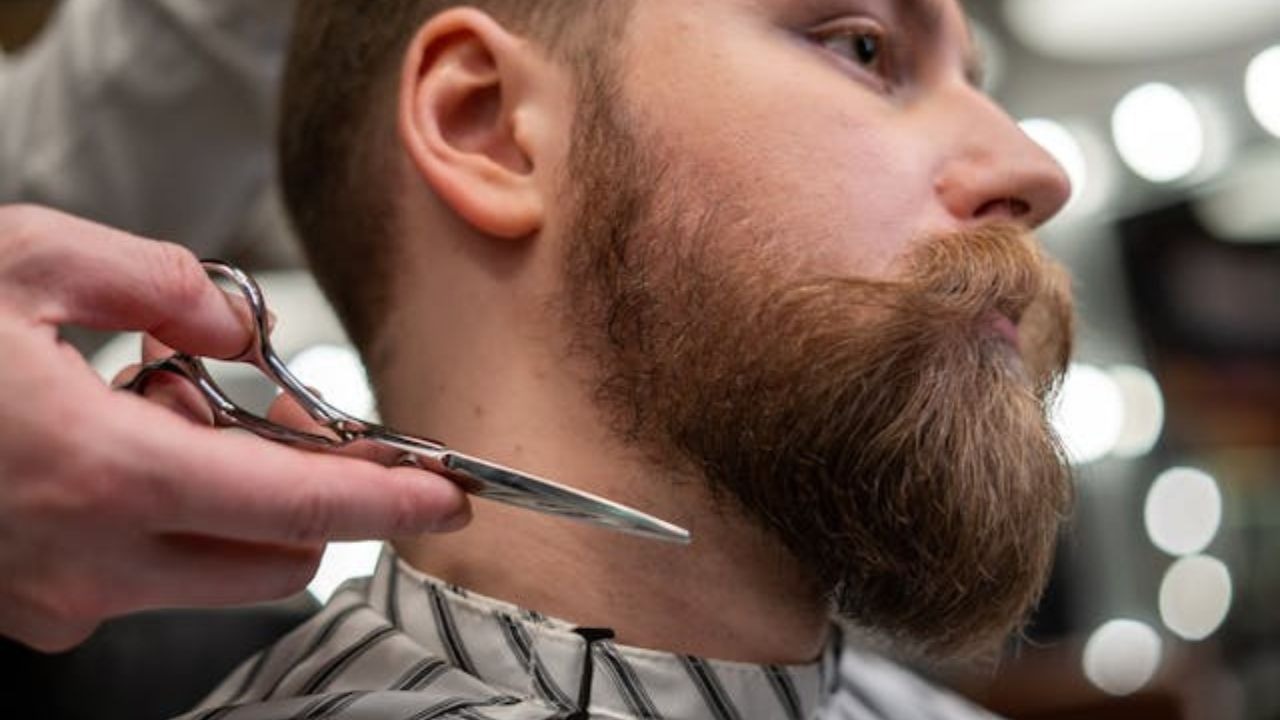

The best beard shape for long face types is one that adds visual width, reduces vertical length, and creates a sense of proportion that your natural bone structure alone cannot achieve. If your forehead, cheekbones, and jaw are roughly the same width but your face is noticeably longer than it is wide, you have an oblong or rectangular face shape. The good news? The right beard can completely transform how balanced your face looks.
This guide breaks down exactly which beard shapes work, why they work, and how to shape them for maximum effect.
Table of Contents
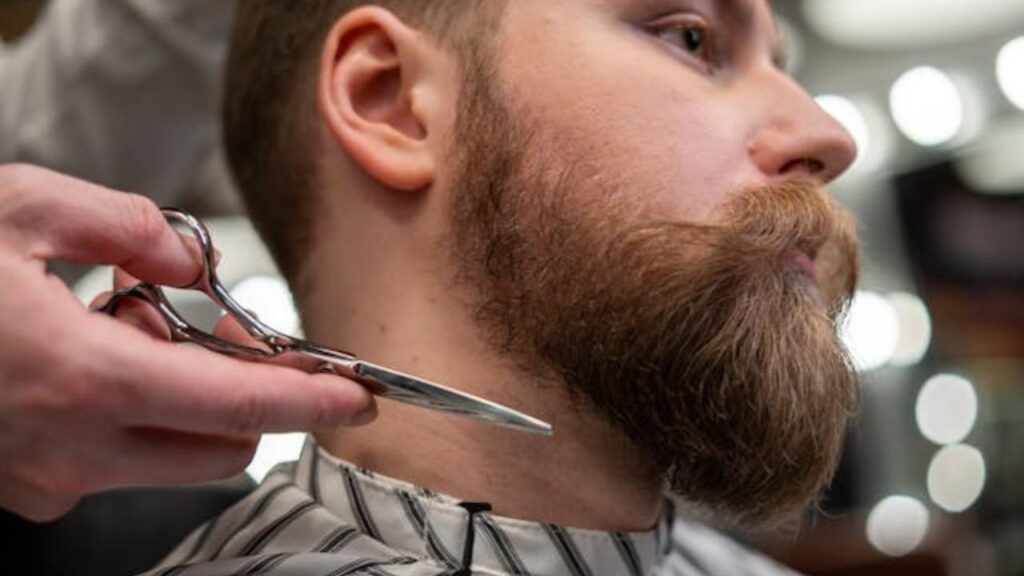
What Counts as a Long Face Shape?
A long face shape (also called an oblong or rectangular face) has more vertical length than horizontal width. According to the American Academy of Dermatology, understanding your facial structure is the first step to any effective grooming routine, whether for skin, hair, or beard styling.
Quick way to identify a long face:
- Your face is noticeably longer from forehead to chin than it is wide from cheek to cheek
- Your forehead, cheekbones, and jawline are close to the same width
- Your chin may appear slightly narrow or elongated
- A ruler held vertically along your face measures significantly more than one held horizontally
If two or more of these apply to you, the styles below are specifically chosen to create visual balance for your face type.
Why Beard Shape Matters More for Long Faces
Featured Snippet Answer:
For a long face, beard shape matters because vertical facial length naturally draws the eye upward and downward. A well-shaped beard adds horizontal bulk at the sides and keeps the chin area compact, creating the illusion of a wider, more proportionate face.
Research in facial perception, including work published by the journal PLOS ONE, shows that humans perceive faces with a width-to-length ratio closer to 1:1 as more symmetrical and balanced. A strategically shaped beard nudges your perceived ratio toward that sweet spot.
The biggest mistake long-faced men make is growing length at the chin without adding width at the sides. This does the opposite of what you need. Width first, length second.
The 7 Best Beard Shapes for a Long Face
1. The Box Beard
What it is: A full beard trimmed to a uniform, square shape with defined edges at the cheeks and a flat, squared-off bottom at the chin.
Why it works for long faces: The squared-off chin shortens the visual length of the lower face. The full cheek coverage adds horizontal mass exactly where a long face needs it most.
How to shape it:
- Let your beard grow to at least 1 to 2 centimetres of length all around
- Define a straight, horizontal neckline two finger-widths above the Adam’s apple
- Trim the cheek line cleanly at a natural, slightly lower level than your cheekbones
- Use a trimmer to flatten and square the bottom of the beard rather than tapering it to a point
- Keep the sides slightly fuller than the chin
Best for: Men with rectangular or oblong faces who want a sharp, modern appearance.
2. The Circle Beard (Round Beard)
What it is: A connected moustache and rounded chin patch that forms a circular shape around the mouth.
Why it works for long faces: The circular shape creates a focal point of width right at the centre of your face. It draws attention horizontally rather than pulling the eye toward the length of the jaw.
How to shape it:
- Grow a full beard to at least medium stubble length
- Shave the cheeks completely clean
- Connect your moustache to a rounded chin patch using a trimmer
- Keep the chin patch circular or slightly oval, never pointed
- Maintain clean edges on all sides with a precision trimmer or razor
Maintenance level: Medium. Requires clean shaving of the cheeks every two to three days.
Best for: Men who prefer a neat, minimalist beard with strong definition.
3. The Balbo Beard
What it is: A trimmed beard that separates the moustache from the chin beard, with shaved cheeks and a defined, wide chin patch.
Why it works for long faces: The Balbo beard is one of the most effective styles for visual width. The wide chin patch creates horizontal emphasis at the jaw, and the disconnected moustache prevents the beard from appearing as a long vertical line.
Shaping tips:
- Keep the chin patch wide rather than narrow (this is the key to making it work for a long face)
- Shave the cheeks and the area under the lower lip for clean separation
- Trim the moustache to just above the lip line
- Define the outer edges of the chin patch in a curved, slightly angular shape
Best for: Men with defined jaw structures who want a bold, distinctive style.
Beard Style Comparison Table
| Beard Style | Width Added | Chin Shortened | Maintenance | Best Face Length |
| Box Beard | High | Yes | Medium | Oblong, Rectangular |
| Circle Beard | Medium | Yes | Medium | Oblong, Oval |
| Balbo Beard | High | Yes | Medium to High | Rectangular, Square |
| Goatee | Low | No | Low | Mildly Long |
| Extended Goatee | Medium | Partially | Medium | Oblong |
| Short Stubble | Low | No | Low | Slightly Long |
| Chin Strap | Very Low | No | High | Not Recommended |
Grooming Tools You Need to Shape Your Beard Correctly
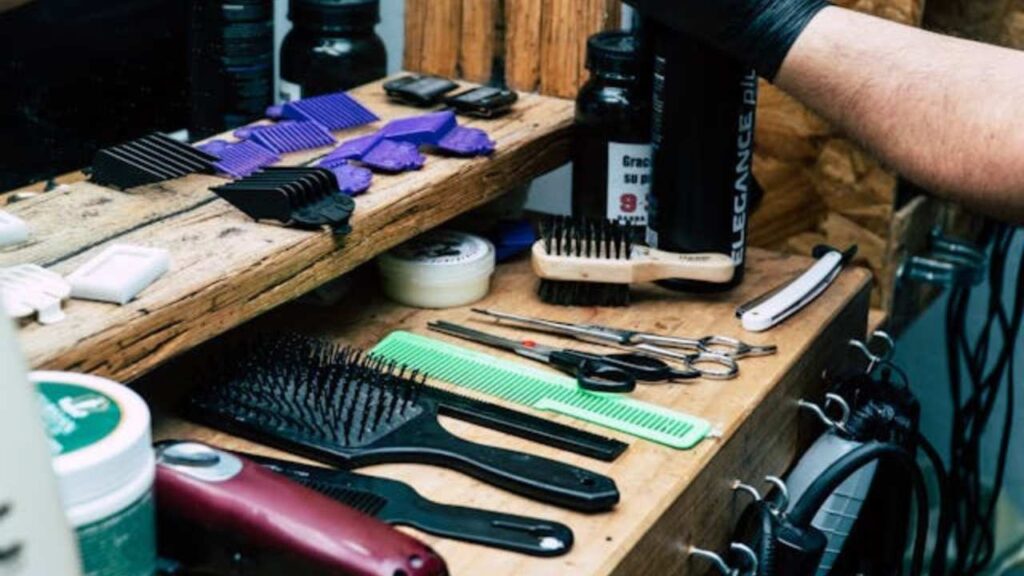
Featured Snippet Answer: To shape the best beard style for a long face at home, you need a quality adjustable trimmer, a straight edge razor or detail trimmer, a beard brush, and beard balm. These four tools give you full control over shape, volume, and direction of growth.
Using the wrong tools is one of the most common reasons a good beard style loses its shape within days of visiting the barber. According to the Professional Beauty Association, consistent at-home maintenance between professional appointments is what separates a well-groomed beard from one that looks overgrown and undefined within a week.
The four tools every long-faced man needs:
- Adjustable cordless trimmer Look for one with at least 10 guard length settings so you can control cheek fullness and chin length independently
- Detail trimmer or straight razor Used for clean edge work along the cheek line, neckline, and any shaved areas within the beard style
- Boar bristle beard brush Trains hair to grow outward at the sides, which directly supports width-building for long faces
- Beard balm with medium hold Adds body and shape without making the beard stiff or unnatural looking
The Biggest Beard Mistakes Long-Faced Men Make
Featured Snippet Answer: The most common mistake men with long faces make is growing a pointed chin beard or letting chin length exceed cheek length. Both choices add downward visual weight, which makes the face appear even longer rather than correcting it.
Avoid these five grooming errors at all costs:
- Growing a narrow pointed goatee A pointed goatee draws the eye straight downward along the chin, the opposite of what a long face needs
- Neglecting cheek volume Trimming the sides too close removes the horizontal width that balances your face proportions
- Letting the chin grow longer than the sides This is the single most common mistake and directly worsens the appearance of face length
- Setting the neckline too low A low neckline adds visual bulk below the jaw and increases perceived face length significantly
- Skipping a beard brush Without regular brushing, beard hair falls downward by default, adding length instead of width to your overall silhouette
How to Maintain Your Beard Shape Between Barber Visits
A well-chosen beard shape only stays effective if it is maintained consistently. A study published by the International Journal of Trichology found that facial hair grows at an average rate of roughly 1.25 centimetres per month, which means shape can begin to deteriorate in as little as 10 to 14 days after a fresh trim.
A simple weekly maintenance routine for long-faced men:
- Day 1 (post-trim): Apply beard balm and brush outward at the sides to set the shape
- Day 3 to 4: Use a detail trimmer to clean up the neckline and any shaved cheek areas
- Day 5 to 6: Lightly re-trim the chin area to prevent length from building downward
- Day 7: Wash with beard shampoo, condition, and reapply balm before the cycle repeats
This routine keeps the beard looking intentional throughout the week without requiring a barber visit more than once a month.
Neckline Placement for Long Faces: Getting It Right
The neckline is the most overlooked part of beard shaping for men with long faces, yet it has an enormous effect on overall proportion.
The correct neckline for a long face:
- Place your neckline higher than average, two finger-widths above the Adam’s apple
- Keep the line straight across rather than curved upward in a U shape
- A straight horizontal neckline creates a clean visual base that does not add extra length to the face
- Shave everything below this line clean every 3 to 4 days to maintain a sharp finish
A lower or curved neckline adds visual length from the jaw to the neck, which makes a long face appear even more elongated. This single adjustment alone can dramatically improve how any beard style looks on a long face.
Conclusion
Choosing the best beard shape for a long face is not complicated once you understand the core principle: go wide, stay short at the chin, and keep the neckline clean and high. Styles like the extended goatee, Garibaldi, short boxed beard, anchor beard, and mutton chops all work because they follow that principle in different ways.
The right beard does not just change how your face looks in the mirror. Research cited by Psychology Today suggests that men who feel satisfied with their grooming habits report higher baseline confidence and more positive self-perception in social and professional settings.
Pick the style that fits your lifestyle, commit to the maintenance routine, and give your beard at least four weeks before judging results. Beard growth, like any grooming investment, rewards patience.
Found this guide useful? Drop a comment below with your face shape and the style you are going to try. If you are already rocking one of these styles, share this article with someone who is still figuring out their beard game.
Q1: What is the best beard shape for a long face?
The best beard shapes for a long face are the short boxed beard, extended goatee, Garibaldi, and anchor beard. Each of these styles adds horizontal width at the cheeks or jaw while keeping chin length controlled, which creates the appearance of a shorter and more proportionate face.
Q2: Should men with long faces grow a full beard?
A full beard can work well on a long face if it is shaped correctly. The key is to keep more volume on the sides than at the chin and to trim the bottom flat rather than letting it taper to a point. An unshaped full beard that grows freely will typically make a long face look even longer.
Q3: What beard style should men with long faces avoid?
Men with long faces should avoid narrow goatees, long pointed chin beards, and chin straps. These styles create vertical lines that draw the eye up and down the face rather than across it, which makes facial length appear more pronounced rather than reduced.
Q4: Does stubble work on a long face?
Light stubble on its own does very little to change facial proportions because it lacks the volume needed to add width. However, short stubble shaped with a slightly fuller cheek area and a clean defined neckline can still improve balance compared to being clean shaven, particularly for men with mildly long faces.
Q5: How long does it take to see results from a new beard style?
Most men need four to eight weeks of beard growth before a style can be properly shaped and assessed. TheAmerican Academy of Dermatology recommends committing to at least six weeks of growth before deciding whether a beard style is working for your face shape, since uneven early growth can give a misleading impression of the final result.
Q6: Can the right beard style really change how my face looks?
Yes, and the effect is well documented. Facial perception research published inBehavioral Ecology has shown that beard shape and coverage significantly alter how observers perceive face width, jaw prominence, and overall facial symmetry. A strategically shaped beard is one of the most accessible and reversible tools available for changing your perceived face shape without any cosmetic procedures.