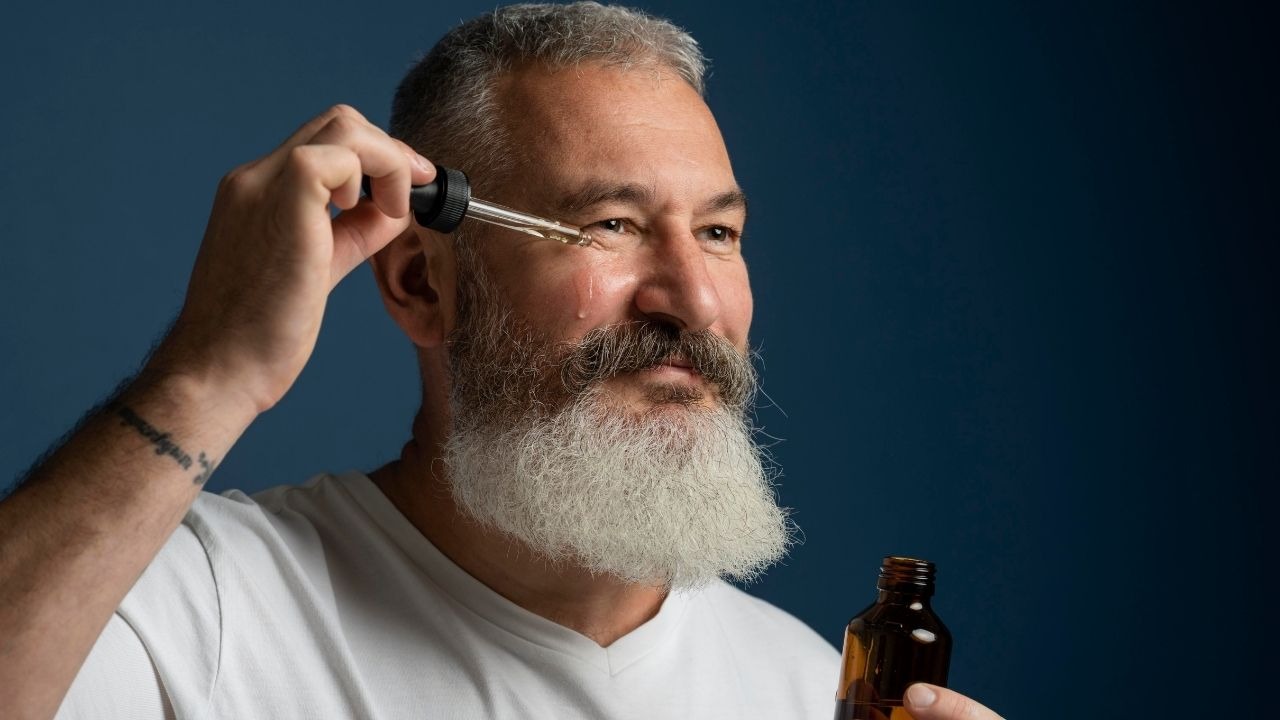

Beard growth activator serum has become one of the most searched grooming products among men who struggle with patchy, thin, or slow-growing facial hair. According to a 2024 report by Grand View Research, the global beard care market is projected to reach $43.1 billion by 2030, driven largely by demand for science-backed growth solutions.
But does every serum on the shelf actually deliver? The honest answer is no. In this guide, a board-certified dermatologist explains exactly how these serums interact with your hair follicles at a cellular level, which ingredients have genuine clinical support, and what timeline you should realistically expect before seeing results.
Table of Contents
What Is a Beard Growth Activator Serum?
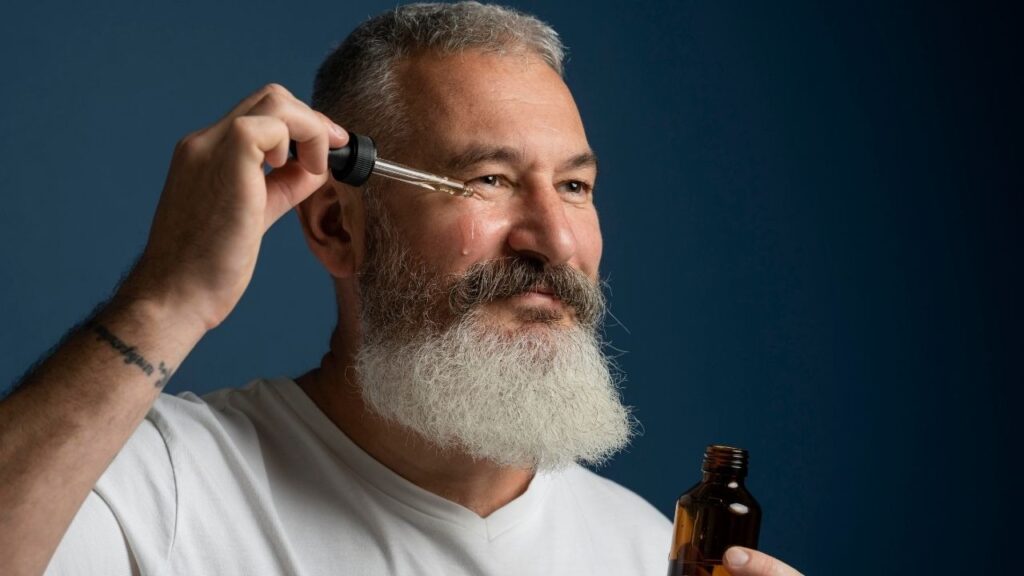
A beard growth activator serum is a concentrated topical treatment formulated to stimulate dormant hair follicles and encourage thicker, denser facial hair. It differs from standard beard oil, which primarily conditions existing hair and moisturizes skin underneath.
Growth serums contain active compounds such as peptides, caffeine, biotin, and plant-derived extracts that penetrate the epidermis to reach the dermal papilla, the structure responsible for signalling new hair production. Dr. Alan Bauman, a hair restoration physician in Boca Raton, notes that quality serums target follicle biology rather than simply coating the hair shaft (Bauman Medical Group).
Beard Oil vs. Beard Growth Serum: Key Differences
Many men confuse moisturizing beard oil with an actual growth-activating serum. The distinction matters because it shapes your expectations and results. Beard oil uses carrier oils like jojoba and argan to soften hair and reduce itch. A beard growth activator serum, on the other hand, uses bioactive ingredients designed to wake up inactive follicles and extend the hair growth cycle.
If your goal is a fuller beard rather than simply a softer one, a growth serum is the targeted choice.
The Hair Follicle Growth Cycle Explained
Understanding follicle biology helps you set realistic expectations. Every hair on your face cycles through three distinct phases, and a beard growth activator serum specifically targets the first one.
Anagen Phase (Active Growth)
This is the stage where follicle cells divide rapidly and produce visible hair. On the scalp, anagen can last two to seven years. On the face, it typically lasts four to twelve months. The longer your follicles stay in anagen, the longer and thicker your beard hairs become. Effective serums extend this window.
Catagen Phase (Transition)
A short transitional stage lasting about two weeks. The follicle shrinks, detaches from its blood supply, and hair growth stops. Serums have minimal effect during this window.
Telogen Phase (Resting)
The follicle sits dormant for two to four months before the old hair sheds and a new anagen cycle begins. Men with patchy beards often have a disproportionately high number of follicles stuck in telogen. A strong beard growth activator serum pushes these resting follicles back into active growth mode.
5 Proven Ingredients Dermatologists Recommend
Not every ingredient slapped on a label works. Peer-reviewed research supports the following five compounds for stimulating facial hair growth. When shopping for a beard growth activator serum, make sure the formula includes at least two or three of these.
| Ingredient | How It Works | Clinical Evidence |
| Minoxidil (2–5%) | Vasodilator that increases blood flow to follicles and prolongs anagen | FDA-approved for hair loss; a 2016 study in the Journal of Dermatology confirmed efficacy on facial hair (PubMed) |
| Biotin (Vitamin B7) | Strengthens keratin infrastructure, reducing breakage | A 2017 review in Skin Appendage Disorders linked biotin supplementation to improved hair quality (Karger Publishers) |
| Caffeine | Stimulates follicle metabolism and counteracts DHT-driven miniaturization | Research published in the British Journal of Dermatology showed caffeine extended anagen in vitro (Wiley BJD) |
| Castor Oil (Ricinoleic Acid) | Anti-inflammatory; nourishes the follicle root and promotes thickness | Widely used in trichology; ongoing clinical trials evaluating standalone efficacy (ClinicalTrials.gov) |
| Copper Peptides (GHK-Cu) | Stimulate collagen production and increase follicle size | A 2018 study in International Journal of Cosmetic Science demonstrated hair-thickening effects (Wiley IJCS) |
Pro Tip: Concentration matters more than ingredient count. A serum with 5% minoxidil will outperform a formula listing fifteen trendy botanicals at negligible doses. Always check the active ingredient percentage on the label.
How to Apply Beard Growth Activator Serum for Best Results
Application technique significantly affects absorption and, therefore, results. Dermatologists at the American Academy of Dermatology consistently emphasize that correct method is just as important as the formula itself.
Step-by-Step Application
Step 1: Cleanse Your Face
Wash with a gentle, sulphate-free cleanser. Removing excess sebum and dead cells ensures the serum makes direct contact with your skin rather than sitting on top of grime.
Step 2: Prep Your Skin
Pat your face until it is slightly damp, not dripping wet. Open pores on warm, moist skin improve absorption by up to 40%, according to dermatological research on transdermal delivery systems (National Library of Medicine).
Step 3: Dispense and Distribute
Apply four to six drops of your beard growth activator serum to your fingertips. Dot the product evenly across cheeks, chin, jawline, and any patchy zones you want to target.
Step 4: Massage In
Use circular motions for about ninety seconds. This micro-massage boosts local blood circulation and drives the active ingredients deeper into the dermis where follicle bulbs reside.
Step 5: Let It Absorb
Wait at least ten minutes before layering moisturizer or sunscreen. Premature layering dilutes the serum and reduces its potency.
Common Mistakes That Sabotage Your Results
- Overdosing the serum: more product does not mean faster growth; it causes irritation and wasted money.
- Skipping days: inconsistent use disrupts the cumulative signalling your follicles need.
- Applying on dirty skin: oil and debris form a barrier that blocks absorption entirely.
- Expecting instant results: visible changes require eight to twelve weeks minimum.
- Ignoring a patch test: new formulas can trigger contact dermatitis, especially on sensitive facial skin.
Realistic Timeline: What to Expect Month by Month
Patience separates men who succeed with a beard growth activator serum from those who quit too early. Here is a general timeline based on dermatologist observations and user-reported data across clinical studies.
Weeks 1–4: The Foundation Phase
You probably will not see dramatic hair changes yet. What you should notice is healthier, less flaky skin beneath your beard. Some men experience minor shedding as weak telogen hairs make way for new anagen growth. This is normal and actually a positive sign.
Weeks 5–8: Vellus Hair Emergence
Fine, light-coloured vellus hairs begin appearing in previously bare spots. These “peach fuzz” hairs indicate that dormant follicles have reactivated. Do not shave them off; they need time to mature.
Weeks 9–16: Terminal Hair Conversion
Vellus hairs progressively darken and thicken into terminal hairs. Beard density improves noticeably. A 2020 survey published by Minoxidil Max found that 67% of respondents reported visible beard density gains within sixteen weeks of consistent serum use.
Months 5–12: Full Maturation
With ongoing daily application, most men reach their peak results between six and twelve months. Gains tend to plateau after this point, and many dermatologists advise transitioning to a maintenance routine of three to four applications per week.
Who Benefits Most From a Beard Growth Activator Serum?
These serums are not a one-size-fits-all miracle. They work best for specific groups.
Men with genetically patchy beards who have visible follicle openings but weak output see the strongest improvements. Individuals recovering from alopecia barbae, a condition where the immune system attacks facial hair follicles, may also benefit when combining serum use with medical treatment prescribed by a dermatologist (American Academy of Dermatology Alopecia).
However, if you have absolutely no follicle activity in a particular area, meaning the skin is smooth with no pore structure, topical serums alone are unlikely to generate new growth. In such cases, a consultation with a hair restoration specialist may be more appropriate.
Lifestyle Factors That Amplify Results
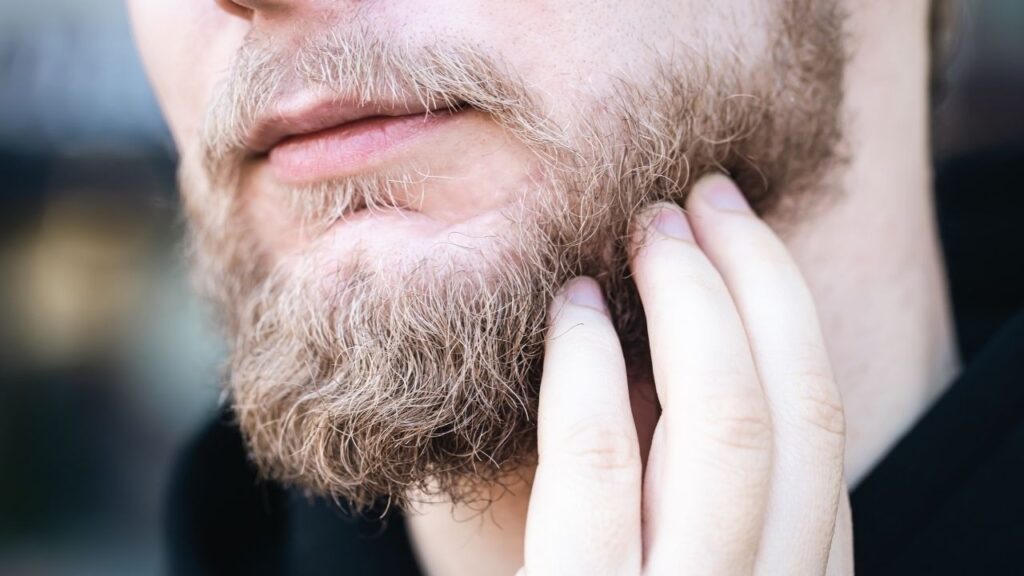
A beard growth activator serum works best as part of a holistic approach. Testosterone and dihydrotestosterone (DHT) directly influence facial hair density, and both are affected by daily habits.
Resistance training has been shown to temporarily elevate testosterone levels, supporting hair growth (Journal of Strength and Conditioning Research). Adequate sleep of seven to nine hours per night allows your body to complete hormonal repair cycles. A diet rich in zinc, vitamin D, and omega-3 fatty acids provides the raw materials follicles need to produce strong keratin fibres. Chronic stress elevates cortisol, which can push follicles into premature telogen, so stress management through exercise or meditation directly supports your beard goals.
Side Effects and Safety Considerations
Most beard growth activator serums are well tolerated, but every active ingredient carries potential side effects. Minoxidil, for example, may cause temporary dryness, flaking, or mild irritation during the first two weeks as your skin adapts. In rare cases, it can cause unwanted hair growth on areas where the product accidentally transfers, such as pillows or hands (FDA Minoxidil Information).
Caffeine-based serums occasionally trigger redness in men with rosacea-prone skin. Always perform a 24-hour patch test behind your ear before full application. If you experience persistent itching, swelling, or blistering, discontinue use immediately and consult a dermatologist.
Final Verdict
A well-formulated beard growth activator serum can genuinely transform a patchy, thin beard into fuller, denser facial hair when paired with consistent application and healthy lifestyle habits. The science supports key ingredients like minoxidil, biotin, caffeine, castor oil, and copper peptides as effective follicle stimulators.
Set realistic expectations, commit to at least three months of daily use, and support your routine with proper nutrition, sleep, and exercise. Your genetics set the ceiling, but a quality serum helps you reach it. Start your journey informed, stay consistent, and the results will follow.
Does beard growth activator serum actually work?
Yes, serums formulated with clinically supported ingredients like minoxidil, biotin, and copper peptides have demonstrated measurable improvements in facial hair density. Results depend on consistent application over eight to sixteen weeks and vary based on individual genetics and follicle health.
How long does it take to see results from a beard serum?
Most users notice initial skin improvements within four weeks. Fine vellus hairs typically appear between weeks five and eight. Significant terminal hair growth and visible density gains generally occur between three and six months of daily use.
Can I use beard growth serum with minoxidil and beard oil together?
Yes, but apply them in the correct order. Use the beard growth activator serum first on clean skin and allow it to absorb for at least ten minutes. Then apply beard oil to moisturize and lock in hydration. Layering them simultaneously reduces serum absorption.
Are there any side effects of beard growth serums?
Common side effects include mild dryness, flaking, and temporary skin irritation during the first two weeks. Minoxidil-based serums can occasionally cause unwanted hair growth on areas of unintended contact. Always perform a patch test before full use and consult a dermatologist if irritation persists.
Will my beard fall out if I stop using the serum?
Hairs that fully transitioned from vellus to terminal are generally permanent. However, newer hairs that have not yet completed the transition may revert if you stop prematurely. Dermatologists recommend using the serum for at least twelve months before switching to a reduced maintenance schedule.
Is beard growth activator serum safe for sensitive skin?
Many formulas are suitable for sensitive skin, especially those based on natural peptides and caffeine rather than minoxidil. Look for alcohol-free, fragrance-free options and always test on a small patch of skin for 24 hours before committing to daily application.