

Knowing how to properly apply beard balm is the single most overlooked step in a man’s grooming routine, and it directly determines whether your facial hair looks polished or patchy. According to Accio market research, the beard growth balm segment is expanding at 8 to 10 percent annually, yet the majority of buyers still apply the product incorrectly, wasting money and missing key benefits.
This guide walks you through a science-backed, seven-step application process tailored to your specific hair type, density, and skin sensitivity. You will also find ingredient breakdowns, common mistakes to avoid, a comparison table, and expert tips drawn from dermatological research.
Table of Contents

What Is Beard Balm and Why Does It Matter
Beard balm is a leave-in conditioning and styling product formulated with natural butters, carrier oils, and a small amount of beeswax. It serves a dual purpose: nourishing your facial hair from root to tip while providing enough hold to tame flyaways and shape your beard throughout the day.
Unlike a standalone moisturizer, a quality beard balm creates a protective barrier around each hair strand. This shield guards against environmental damage from dust, wind, and UV exposure. The global beard care market is projected to reach $5.7 billion by 2030 according to Archive Market Research, indicating just how central products like beard balm have become to modern male grooming.
Men who skip balm or apply it carelessly tend to experience persistent dryness, beardruff, and an unkempt appearance regardless of how often they wash or trim. Proper application transforms balm from a simple styling product into a genuine beard health tool.
Key Ingredients and What the Science Says
Understanding what goes into your beard balm helps you choose the right formula and apply it with confidence. The most effective balms rely on a handful of proven natural ingredients.
Beeswax
Beeswax provides the light-to-medium hold that separates balm from beard oil. It seals in moisture and acts as a physical barrier against pollutants and dry air. For men in colder climates, this ingredient is especially valuable during winter months when wind strips moisture from exposed facial hair.
Shea Butter and Cocoa Butter
These plant-based butters deliver deep conditioning. Shea butter is rich in vitamins A and E, both of which support skin repair and reduce beard itch. Cocoa butter adds emollient richness that softens even the coarsest facial hair without creating a greasy residue.
Jojoba Oil
Jojoba oil is technically a wax ester, not a true oil. Research published in the journal Polymers confirms that jojoba is composed of roughly 98 percent wax esters, making it the closest botanical match to your skin’s natural sebum (SkinWell Health). This structural similarity allows jojoba to penetrate the hair follicle efficiently, reducing protein loss that contributes to brittle, thinning facial hair.
Argan Oil
Often called liquid gold, argan oil is packed with essential fatty acids and vitamin E. Dermatological research shows it improves skin barrier function and provides moisturization without clogging pores, making it ideal for the skin beneath your beard (Reuzel).
Essential Oils
Ingredients like tea tree, eucalyptus, and peppermint add antibacterial properties and pleasant fragrance. Tea tree oil in particular can help prevent acne breakouts under the beard, while peppermint oil may promote microcirculation around the follicles (Trilogy Laboratories).
Matching Beard Balm to Your Hair Type and Density
No single application method works for every man. Your hair texture and density dictate how much product you need and how you should distribute it.
Coarse or Curly Beards
Thick, wiry facial hair requires a balm with a stronger butter-to-wax ratio. You will typically need a dime-to-nickel-sized amount, and you should work the product through your beard in sections rather than all at once. Curly beards tend to trap product near the surface, so pressing the balm into the hair with your fingertips rather than just gliding over the top ensures inner strands receive coverage.
Fine or Straight Beards
Lighter beards get weighed down easily. Start with a pea-sized amount and increase only if needed. Focus application on the jawline and chin where hair is typically densest, and use a comb rather than fingers for final distribution to avoid clumping.
Patchy or Short Beards
Men with uneven growth benefit from applying balm primarily to the skin beneath the beard. This nourishes dormant follicles, reduces itch, and creates a subtle illusion of fullness. Avoid heavy wax-based balms that can make sparse areas look greasy.
Quick Reference: Amount by Beard Length
| Beard Length | Recommended Amount | Best Technique |
| Stubble to 1 inch | Pea-sized | Fingertip press into skin |
| 1 to 3 inches | Dime-sized | Palm rub, then comb through |
| 3 to 6 inches | Nickel-sized | Section-by-section massage |
| 6+ inches | Quarter-sized | Two-pass method: roots then tips |
The 7-Step Method to Properly Apply Beard Balm
Following a structured routine ensures every hair strand and the skin beneath your beard receives consistent nourishment and hold. Here is the proven process used by professional barbers.
Step 1: Wash With a Gentle Beard Shampoo
Start with a clean canvas. Use a sulfate-free beard wash to remove dirt, dead skin, and excess oil. Regular shampoo strips too much moisture and disrupts the skin’s pH balance, so a dedicated beard cleanser is worth the investment.
Step 2: Towel Dry to Damp
Pat your beard with a clean towel until it is roughly 70 to 80 percent dry. A slightly damp beard opens the hair cuticles, allowing the balm’s nourishing ingredients to absorb more effectively. Applying to a soaking wet beard dilutes the product, while a bone-dry beard resists penetration.
Step 3: Scoop the Right Amount
Use the back of your thumbnail to scrape out the appropriate amount based on your beard length from the table above. More product does not equal better results. Overapplication is the most common mistake men make, and it leads to a stiff, waxy residue that attracts dirt (The Beard Club).
Step 4: Warm Between Your Palms
Rub the balm vigorously between both palms for 10 to 15 seconds. The heat from your hands melts the beeswax and activates the carrier oils, turning the solid balm into a smooth, spreadable consistency. If you still see solid chunks, keep rubbing.
Step 5: Work Into the Skin First
Press your fingers through the beard and massage the balm directly into the skin underneath. This step is critical because beard health starts at the follicle. Healthy, hydrated skin produces stronger hairs and reduces the itch and flaking that plagues most bearded men.
Step 6: Distribute Through the Hair
Spread the remaining balm from roots to tips using downward strokes. For longer beards, divide the beard into left, right, and chin sections and work through each one individually. Pay extra attention to areas with higher density or coarser texture, as these zones consume more product.
Step 7: Shape With a Comb or Brush
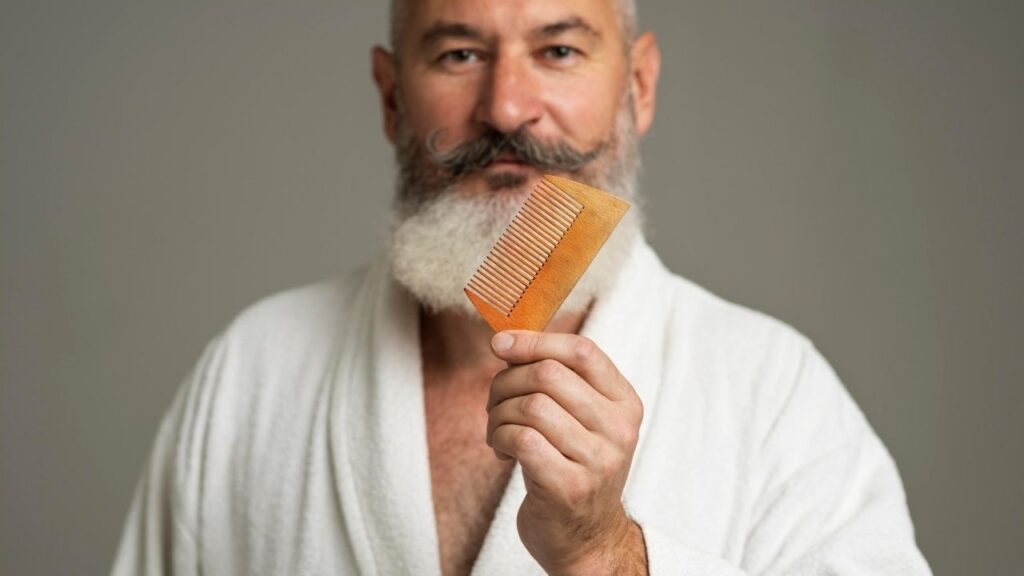
Finish by running a wide-tooth wooden comb or boar bristle brush through your beard. This evens out the product, detangles strands, aligns the hair for a clean silhouette, and helps the balm reach any spots you may have missed. Boar bristle brushes are particularly effective because the natural bristles distribute product more evenly than synthetic alternatives (1821 Man Made).
Common Mistakes That Ruin Your Results
Using Too Much Product
The most widespread error is scooping out a marble-sized glob for a two-inch beard. Excess balm creates a greasy, heavy look and clogs pores beneath the beard, potentially leading to acne and ingrown hairs. If your beard ever feels crusty or stiff, you have applied too much. Rinse with warm water and try again with half the amount.
Skipping the Skin Underneath
Many men only coat the outer surface of their beard. The skin beneath is where follicles live, and neglecting it leads to dryness, beardruff, and slower growth. Always press balm into the skin before distributing through the hair.
Applying to a Soaking Wet Beard
Water and wax do not mix well. Applying balm to a dripping beard causes the product to slide off rather than absorb. Towel dry to damp first, then apply.
Using the Same Amount Year-Round
Your beard’s moisture needs change with the seasons. Winter cold and indoor heating increase dryness, often requiring 20 to 30 percent more product. Summer humidity means you can scale back. Adjust your routine accordingly instead of relying on autopilot.
Beard Balm vs Beard Oil: When to Use Each
One of the most common questions in beard care is whether to use balm, oil, or both. The answer depends on your beard’s length, texture, and what you need on any given day.
Beard oil is a lightweight liquid blend designed primarily to moisturize the skin beneath your beard and soften hair. It absorbs quickly and works best for shorter beards or men who prioritize hydration over hold. Beard balm, on the other hand, adds a layer of styling control thanks to its beeswax content while still delivering conditioning benefits (Dapper Yankee).
For the best results, many grooming experts recommend a layered approach: apply a few drops of beard oil first to deeply hydrate the skin, then follow with balm to lock in that moisture and add shape (Reuzel). This combination is especially effective for beards over three inches long or for men living in harsh climates.
Beard Balm Application for Sensitive Skin
Men with reactive or easily irritated skin need to take extra precautions. The wrong product or technique can cause redness, burning, and clogged pores that undo all the benefits of balm.
Choosing the Right Formula
Look for balms labeled fragrance-free or made exclusively with essential oils rather than synthetic fragrances. Jojoba-based formulas are an excellent choice because jojoba oil closely mimics your skin’s natural sebum and is non-comedogenic, meaning it will not block your pores (Fresh Beards).
Patch Testing
Before applying any new balm to your entire beard, dab a small amount on the inside of your wrist or behind your ear. Wait 24 hours. If there is no redness, swelling, or itching, the product is safe for your face.
Application Adjustments
Sensitive skin benefits from a lighter touch. Use about 25 percent less product than the standard recommendation and focus on the hair rather than pressing aggressively into the skin. Allow the balm to warm fully in your palms before applying so that no unmelted wax granules cause friction against the skin surface.
Lifestyle Habits That Boost Beard Balm Results
Topical products can only do so much. Your daily habits play a significant role in how effective beard balm is over the long term.
Hydration and Nutrition
Your beard is built from keratin protein, and its growth relies on adequate intake of biotin, zinc, iron, and omega-3 fatty acids. Drinking at least 2 liters of water daily and eating nutrient-dense foods like eggs, salmon, nuts, and leafy greens provides the raw materials your follicles need. No amount of balm will compensate for a poor diet.
Sleep and Recovery
Hair growth hormones peak during deep sleep. Men who consistently get seven to eight hours of quality rest report healthier beard texture and faster growth compared to those running on five hours or less. Applying a thin coat of balm before bed can also act as an overnight conditioning treatment.
Consistent Grooming Routine
The real benefits of beard balm emerge from daily consistency, not occasional heavy application. Applying a small amount every morning after washing is far more effective than loading up once or twice a week. Within two to four weeks of consistent use, most men notice visibly softer, fuller, and more manageable facial hair.
Pro Tips From Barbers and Grooming Experts
Experienced barbers approach beard balm with a craftsman’s mindset. Here are practical insights that separate amateur grooming from professional-level results.
First, always apply balm in the direction of hair growth. Going against the grain may feel like you are reaching more hair, but it lifts the cuticle and increases frizz. Smooth downward strokes lay the cuticle flat, producing a sleeker finish.
Second, consider the temperature of your environment. If you live in a warm climate, store your beard balm in a cool, dry place to prevent it from softening too much in the tin. In cold weather, you may need to warm the product for an extra five to ten seconds to achieve full melt.
Third, invest in the right tools. A boar bristle brush is superior to a plastic comb for daily styling because the natural fibers distribute product evenly and gently exfoliate the skin beneath. For detangling longer beards, pair the brush with a wide-tooth wooden comb, starting at the tips and working upward to avoid pulling and breakage.
Finally, less is always more. You can add product if needed, but removing excess requires a full wash. Start conservatively, assess the results, and build up only if your beard still feels dry or unruly after the initial application.
How often should I apply beard balm?
For most men, once daily after your morning wash is ideal. If you live in a very dry climate or have an exceptionally long beard, a second light application in the evening can provide additional conditioning overnight.
Can I use beard balm on a short or stubble-length beard?
Yes. Even at stubble length, beard balm moisturizes the skin beneath the hair and reduces itch during the early growth phase. Use a pea-sized amount and focus on pressing it into the skin rather than coating the short hairs.
Does beard balm help with beard growth?
Beard balm does not directly accelerate growth, but it creates healthier conditions for growth by moisturizing follicles, preventing breakage, and reducing inflammation. Ingredients like jojoba and argan oil nourish the skin environment where hair is produced.
Should I use beard balm and beard oil together?
Combining both is a popular professional technique. Apply oil first for deep hydration, then layer balm on top for hold and environmental protection. This works especially well for beards over three inches long.
What happens if I apply too much beard balm?
Over-application creates a heavy, waxy buildup that looks greasy and can clog pores. If your beard feels stiff or crusty, rinse it with warm water and a gentle cleanser, then reapply a smaller amount the next day.
Is beard balm safe for sensitive skin?
Most natural beard balms are safe for sensitive skin, especially those containing jojoba oil, which is non-comedogenic. Always do a patch test on your wrist before applying a new product to your face, and choose fragrance-free formulas if you are prone to irritation.
When is the best time of day to apply beard balm?
Morning application after a shower is the most effective time because clean, slightly damp hair absorbs the balm’s ingredients most efficiently. The product then provides hold and protection throughout the day.
Can beard balm replace a beard conditioner?
Beard balm functions as a leave-in conditioner and can replace a standalone conditioner for most men. However, if your beard is extremely dry or damaged, using a rinse-out conditioner during washing followed by balm afterward provides the deepest conditioning.