
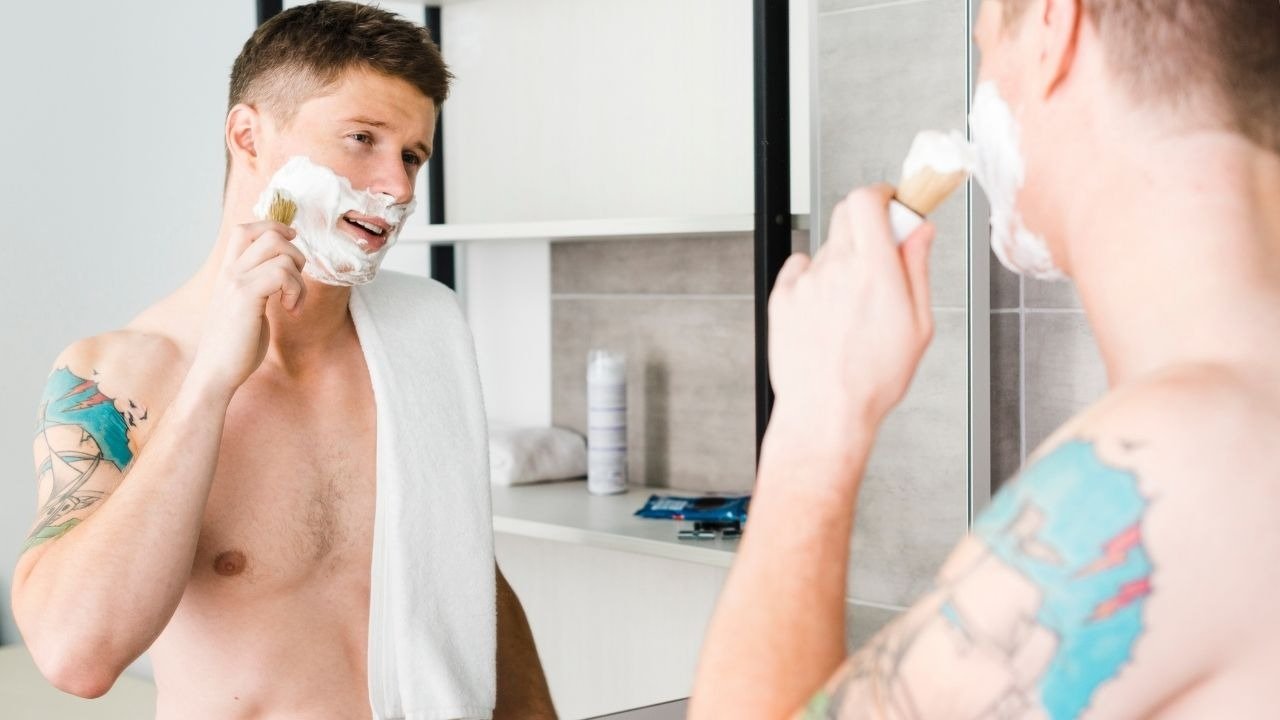

Male personal hygiene is not just about smelling fresh or looking presentable. It is a daily commitment that directly shapes your physical health, mental wellbeing, and how confidently you move through the world.
According to an Ipsos survey, only 50% of men strongly agree that hygiene is tied to their self-image, compared to 61% of women. This gap highlights a widespread disconnect that often leads to preventable health issues, skin irritations, and social discomfort.
This guide draws on medical research, industry data, and practical grooming experience to help you build a sustainable routine. You will learn how to care for your skin, manage body odor, maintain oral health, and practice intimate hygiene with confidence and consistency.
Table of Contents

Why Daily Grooming Habits Matter More Than You Think
Skipping basic grooming is not a harmless oversight. The Global Burden of Disease study published in The Lancet found that over 500,000 people die annually due to lack of access to proper handwashing facilities alone. While that figure includes all demographics, men are statistically more likely to neglect hand hygiene.
A 2025 report by the National Foundation for Infectious Diseases (NFID), conducted by NORC at the University of Chicago, revealed that men are more likely than women to simply forget washing their hands. Proper hygiene can reduce respiratory infections by roughly 16% and diarrheal diseases by up to 40%, according to global health data.
Beyond disease prevention, clean habits boost how others perceive you in professional and social settings. Men who follow a consistent grooming schedule often report improved confidence and better interpersonal interactions.
Skincare Essentials Every Man Should Follow
Understanding Your Skin Type
The foundation of any effective skincare routine starts with knowing whether your skin is oily, dry, combination, or sensitive. Using the wrong products can trigger breakouts, dryness, or irritation. A simple test involves washing your face, waiting an hour, and observing which areas feel tight or shiny.
Dermatologists recommend that men with oily skin use gel-based cleansers, while those with dry skin benefit from cream-based formulas. Combination skin requires a balanced approach, often using different products on different facial zones.
Building a Morning and Evening Routine
A practical daily skincare routine does not need to be complicated. In the morning, cleanse your face with a gentle wash, apply a lightweight moisturizer with SPF protection, and use an eye cream if dark circles are a concern. At night, cleanse again to remove pollution and sweat, then apply a richer moisturizer or a retinol serum for repair.
The men’s skincare segment alone generated approximately $19.1 billion in revenue in 2025, according to Global Market Insights. This explosive growth reflects a real shift in how seriously men are taking their skin health.
Shaving and Post-Shave Care
Shaving irritation affects a large number of men, especially those with coarse or curly facial hair. Always shave in the direction of hair growth, use a sharp blade, and apply a pre-shave oil to reduce friction. After shaving, an alcohol-free aftershave balm soothes the skin without causing dryness.
Replacing your razor blade every five to seven shaves prevents bacterial buildup and reduces the risk of ingrown hairs. Men who shave frequently should invest in a quality shaving brush and cream rather than relying on canned foam.
How to Control Body Odor Effectively
What Causes Odor and How to Prevent It
Body odor results from bacteria breaking down sweat on the skin’s surface, particularly in warm and moist areas like armpits and groin. Contrary to popular belief, sweat itself is nearly odorless. The smell develops when bacteria metabolize the proteins and fatty acids in apocrine sweat.
Daily showering with antibacterial soap in sweat-prone zones significantly reduces odor-causing bacteria. Applying antiperspirant at night allows the active ingredients to block sweat ducts while you sleep, making it more effective than morning application alone.
Choosing the Right Deodorant or Antiperspirant
Deodorants mask odor with fragrance and antimicrobial agents, while antiperspirants actively reduce sweat production using aluminum compounds. For men who sweat heavily during physical activity or in hot climates, a clinical-strength antiperspirant offers stronger protection.
Natural alternatives like crystal deodorants and baking soda-based formulas work well for men with sensitive skin. However, they may require reapplication throughout the day. Experimenting with different products helps you find what suits your body chemistry best.
Oral Hygiene: More Than Just Brushing Twice a Day
Oral health is one of the most underestimated aspects of daily self-care for men. The American Dental Association recommends brushing for two minutes twice daily and flossing at least once. Yet the average American brushes only 1.9 times per day and flosses just four times per week, according to Ipsos research.
Neglecting oral care leads to gum disease, cavities, and persistent bad breath, all of which affect personal relationships and professional interactions. An antibacterial mouthwash used after brushing helps eliminate bacteria that brushing alone misses.
Tongue Cleaning and Gum Health
Roughly 90% of bad breath originates from bacteria on the tongue’s surface. A dedicated tongue scraper, used gently each morning, removes the white or yellowish coating that harbors odor-producing microbes. This single step makes a noticeable difference within days.
Gum health deserves equal attention. Bleeding during brushing or flossing is an early warning sign of gingivitis. If left untreated, it can progress to periodontitis, which causes bone loss and eventual tooth loss. Scheduling dental checkups every six months catches problems before they escalate.
Hair and Scalp Maintenance for Men
A healthy scalp is the foundation of good-looking hair. Over-washing strips away natural oils, leading to dryness and flaking, while under-washing allows sebum and product buildup. Most men benefit from washing their hair every two to three days with a sulfate-free shampoo.
Conditioner is not optional, even for men with short hair. It replenishes moisture, reduces breakage, and makes hair easier to manage. Apply conditioner primarily to the ends, avoiding the roots to prevent a greasy appearance.
Dealing with Dandruff and Scalp Conditions
Dandruff affects nearly 50% of the global adult population at some point. Medicated shampoos containing pyrithione zinc, ketoconazole, or salicylic acid are effective first-line treatments. Rotating between two medicated shampoos prevents your scalp from building tolerance to a single ingredient.
For persistent scalp issues like seborrheic dermatitis or psoriasis, consulting a dermatologist ensures you receive proper treatment. These conditions require targeted care beyond what over-the-counter products can provide.
Intimate Hygiene: An Often Ignored Priority
Men frequently overlook intimate hygiene, which can lead to bacterial infections, fungal growth, and unpleasant odor. The groin area requires daily cleaning with warm water and a mild, unscented cleanser. Harsh soaps or heavily fragranced body washes disrupt the skin’s natural pH balance and increase irritation risk.
After washing, thorough drying is essential. Moisture trapped in skin folds creates an ideal environment for fungal infections like jock itch. Wearing breathable cotton underwear and changing it daily helps maintain dryness and freshness throughout the day.
Grooming Below the Belt
Body grooming in the groin area is a personal choice, but hygiene benefits exist regardless of preference. Trimming excess hair reduces sweat retention and odor. Use a dedicated trimmer with a guard to avoid nicks and irritation. Never share grooming tools, as this transfers bacteria between users.
Hand Hygiene and Nail Care
Hands are the primary vehicle for spreading germs. A report from Gitnux states that only 69% of men regularly wash their hands with soap after using the bathroom. The average person touches their face 23 times per hour, creating a direct pathway for bacteria to enter the body through the eyes, nose, and mouth.
Proper handwashing takes at least 20 seconds with warm water and soap. Focus on scrubbing between fingers, under nails, and around the wrists. Keep your nails trimmed short and clean to prevent dirt and bacteria from accumulating beneath them.
A Simple 5-Step Daily Grooming Checklist
Following a structured daily routine ensures no essential step gets skipped. This checklist works for men of all ages and lifestyles.
- Shower with a body wash or antibacterial soap, paying extra attention to underarms, groin, and feet.
- Cleanse your face with a product suited to your skin type, then moisturize with SPF in the morning.
- Brush teeth for two minutes, floss, scrape your tongue, and use mouthwash.
- Apply deodorant or antiperspirant (ideally applied the night before for better absorption).
- Put on clean underwear and fresh clothing. Change socks daily, especially in warm weather.

Common Grooming Mistakes and How to Fix Them
Many men unknowingly sabotage their hygiene with habits that seem harmless. The table below highlights frequent errors alongside practical corrections.
| Mistake | Why It Hurts | Better Approach |
| Over-washing face | Strips natural oils, triggers excess sebum production | Wash twice daily with a gentle cleanser |
| Using body soap on face | Face skin is thinner and more sensitive than body skin | Use a dedicated facial cleanser |
| Skipping moisturizer | Leads to dryness, premature aging, and flaking | Apply moisturizer after every wash |
| Reusing towels for days | Damp towels breed bacteria and fungi | Swap towels every two to three uses |
| Ignoring feet hygiene | Causes fungal infections, odor, and cracked skin | Wash and dry between toes daily |
| Wearing same underwear twice | Bacteria multiply quickly in warm, moist fabric | Change underwear every single day |
The Growing Importance of Men’s Grooming Worldwide
The cultural shift toward men’s self-care is not anecdotal. The global men’s grooming products market was valued at roughly $64.63 billion in 2025, according to Fortune Business Insights, and is projected to reach $90.63 billion by 2034. Skincare products alone accounted for approximately $19.1 billion in revenue within this sector.
A NielsenIQ report showed that the U.S. men’s grooming category hit $7.1 billion in sales, growing 6.9% year-over-year, with online purchases surging by 27.6%. Around 60% of men now purchase grooming products specifically to maintain their appearance over time.
This data proves that men across all age groups are investing more in self-care than ever before. Whether it is a basic cleanser or a premium anti-aging serum, the trend reflects a deeper understanding that daily personal care is not vanity but a health necessity.
Expert-Recommended Strategies for Long-Term Hygiene
Adapt Your Routine to Your Lifestyle
A construction worker’s hygiene needs differ significantly from those of someone with a desk job. Men who exercise regularly or work outdoors should cleanse more frequently and use stronger antiperspirants. Those in air-conditioned offices may need lighter products and extra moisturizer to combat dry indoor air.
Climate matters too. Hot and humid environments demand breathable fabrics, frequent showers, and antifungal powders. Cold and dry climates call for richer moisturizers and gentler cleansers that do not aggravate already-dry skin.
Read Product Labels Carefully
Not every product marketed toward men is worth buying. Avoid formulas with high concentrations of alcohol, artificial fragrances, and sulfates. Look for ingredients like hyaluronic acid for hydration, niacinamide for inflammation control, and salicylic acid for acne-prone skin.
A cross-sectional study published in Cureus (PMC) found that laziness and lack of relevant education were the biggest barriers to good hygiene practices among young adults. Educating yourself about ingredients and routines removes those barriers and leads to lasting improvement.
Consistency Beats Perfection
You do not need a 15-product routine to stay clean and healthy. A basic regimen done consistently outperforms an elaborate routine followed sporadically. Start with the essentials: a cleanser, moisturizer, deodorant, and toothbrush. Build from there once good habits are firmly in place.
Final Thoughts
Taking charge of your daily grooming is one of the simplest yet most impactful investments you can make in yourself. The evidence is clear: consistent hygiene habits prevent disease, boost confidence, and improve how you are perceived in every area of life.
You do not need expensive products or complicated routines. Start with the basics, stay consistent, and adjust as your lifestyle demands. The data, expert advice, and practical tips in this guide give you everything needed to build a routine that lasts.
How often should men shower each day?
Once daily is sufficient for most men. If you exercise or work in physically demanding conditions, a second quick rinse focusing on sweat-prone areas is reasonable. Over-showering with hot water strips your skin of essential oils and can cause dryness.
What is the best way to prevent body odor naturally?
Shower daily with antibacterial soap, wear breathable fabrics like cotton, and apply antiperspirant at night before bed. Diet also plays a role. Foods rich in garlic, onion, and spices can intensify body odor, while staying hydrated helps dilute sweat.
Is it necessary for men to use skincare products?
Yes. Men’s skin produces more sebum and collagen than women’s, but it still needs protection from UV damage, pollution, and aging. A basic routine with cleanser, moisturizer, and sunscreen takes under three minutes and delivers visible results within weeks.
How can I improve oral hygiene quickly?
Add tongue scraping and mouthwash to your existing brushing routine. These two steps eliminate a significant portion of the bacteria responsible for bad breath. Replace your toothbrush every three months, and schedule dental cleanings twice a year.
What are the most common hygiene mistakes men make?
The most frequent errors include washing the face with harsh body soap, skipping moisturizer, reusing damp towels, and neglecting intimate and foot hygiene. Refer to the table earlier in this article for specific corrections to each mistake.
Does diet affect personal hygiene?
Absolutely. A diet high in processed foods and sugar can worsen skin conditions like acne and increase sweat odor. Eating whole foods, staying hydrated with at least eight glasses of water daily, and consuming probiotics for gut health all contribute to cleaner skin and fresher breath.