
Learning how to style hair for beginners does not have to feel like an impossible task when you break it down into simple, actionable steps. Whether you are experimenting with braids for the first time or picking up a curling iron, the right guidance can turn confusion into confidence. This comprehensive guide walks you through every essential technique, from selecting the right tools to mastering advanced salon-worthy looks without ever leaving your house.
The global hair styling tools market reached USD 38.1 billion in 2025 and is projected to hit USD 66 billion by 2035, growing at a 5.8% CAGR (Global Market Insights). That explosive growth tells a clear story: millions of people worldwide are investing in at-home styling rather than relying solely on professionals. You can join that trend today with the techniques covered below.
Table of Contents
Why Every Beginner Should Learn Hair Styling at Home
The Financial Case for DIY Styling
The U.S. hair salon market alone is valued at approximately $60 billion as of 2025, with the average salon customer spending hundreds of dollars per year on professional appointments (IBISWorld). Learning even basic styling techniques at home can cut those expenses significantly. A one-time investment in quality tools often pays for itself within a few months.
Beyond direct savings, home styling also eliminates travel time, tipping costs, and the inconvenience of scheduling around a busy salon calendar. For parents, students, and working professionals, those saved hours add up quickly.
Building Confidence Through Self-Expression
Hairstyles have always served as a form of personal identity and self-expression. When you control your own styling, you gain the freedom to switch between polished professional looks on weekday mornings and relaxed, creative styles on weekends. That sense of ownership over your appearance has a genuine impact on daily confidence.
A 2022 survey by Advanced Dermatology found that Americans spend an average of $722 annually on personal grooming, with hair products ranking as the top category (Grand View Research). Clearly, people deeply value how their hair looks and feels.
Essential Tools and Products You Need to Get Started
Must-Have Styling Tools
You do not need a professional salon kit to begin. A few carefully chosen items form the backbone of every beginner’s toolkit. Here are the essentials:
- Wide-tooth comb: gentle detangling for wet hair without breakage
- Round brush: creates volume and smoothness during blow-drying
- Quality hair dryer with adjustable heat: the single most versatile tool you will own
- Flat iron or curling wand: choose one based on whether you prefer straight or wavy styles
- Sectioning clips: allow you to work through hair in organized layers
- Bobby pins and elastic bands: the foundation of updos, buns, and braids
The electric styling tools segment alone generated roughly USD 31.3 billion in revenue in 2025, reflecting massive consumer demand for at-home devices (Global Market Insights). Brands like Dyson, Conair, and Philips dominate the market, but excellent budget-friendly options exist from companies like Revlon and Hot Tools.
Choosing the Right Products for Your Hair Type
Matching products to your hair type is just as important as owning the right tools. Fine hair benefits from lightweight mousses and volumizing sprays that add body without weighing strands down. Thick or curly hair responds well to heavier creams, serums, and leave-in conditioners that tame frizz and define texture.
Heat protectant spray is non-negotiable regardless of hair type. Applying it before any heated tool creates a barrier that reduces moisture loss and prevents long-term damage. An NSF study from 2025 revealed that 74% of consumers now prioritize organic ingredients in personal care products (Mordor Intelligence), so consider plant-based or clean-label formulations when shopping.
Simple Hairstyles That Beginners Can Master Quickly
The Classic Ponytail and Its Variations
The ponytail is the most beginner-friendly style and also one of the most versatile. A high ponytail conveys energy and works well for workouts or casual outings. A low ponytail at the nape of the neck looks polished enough for office settings or dinner events.
To elevate a basic ponytail, wrap a small section of hair around the elastic to hide it, then pin the end underneath. This simple trick takes five seconds but transforms the look from rushed to intentional. You can also pull a few face-framing strands loose for a softer, more relaxed appearance.
Messy Buns and Low Twists
The messy bun remains one of the most popular at-home styles because it looks effortlessly put together while requiring minimal skill. Gather your hair into a loose ponytail, twist it around the base, and secure with pins or a second elastic. The key is embracing imperfection slight looseness gives the style its charm.
Low twists offer a more elegant alternative. Divide your hair into two sections at the back, twist each section inward, and pin them where they overlap. This technique works beautifully for second-day hair when texture is already naturally present.
Basic Braiding Techniques
Braids are a foundational skill that open the door to dozens of hairstyles. Start with a simple three-strand braid: divide your hair into three equal sections, alternately cross the outer sections over the middle section, and secure the end with an elastic.
Once you are comfortable with that motion, progress to a French braid by incorporating small sections of loose hair into each crossover. This technique takes practice, but most beginners find they can produce a clean French braid within a week of daily attempts. A bit of texturizing spray or mousse before braiding helps strands grip together more easily.
Heat Styling Safety and Techniques
Protecting Your Hair from Heat Damage
Heat damage is the most common mistake beginners make when they first pick up a straightener or curling iron. The solution starts before the tool ever touches your hair. Always apply a heat protectant product evenly through damp or dry hair, focusing especially on the ends where damage accumulates fastest.
Temperature control matters enormously. Fine or color-treated hair should never encounter temperatures above 300°F (150°C). Medium-thickness hair can tolerate 300°F to 380°F (150°C to 193°C). Only thick, coarse, or very resistant hair needs temperatures approaching 400°F (204°C) or higher. Starting lower and increasing gradually is always the safer approach.
Curling and Straightening Like a Pro
For curling, divide your hair into sections roughly one inch wide. Wrap each section around the barrel of the curling wand away from your face, hold for five to eight seconds, then release. Let the curl cool in your palm for a moment before dropping it this sets the shape and extends hold time.
Straightening requires a slow, steady glide from roots to tips. Clamping the flat iron and dragging too quickly creates uneven results, while holding it in one spot too long causes heat damage. One smooth pass per section is the goal. If your hair does not straighten in a single pass, increase the temperature slightly rather than making multiple passes at a lower setting.
Advanced Tricks for Salon-Quality Looks at Home
Adding Volume and Texture
Volume is often what separates a homemade style from a salon blowout. The simplest trick is flipping your head upside down while blow-drying the roots. This lifts the hair at the base and creates natural body that lasts for hours.
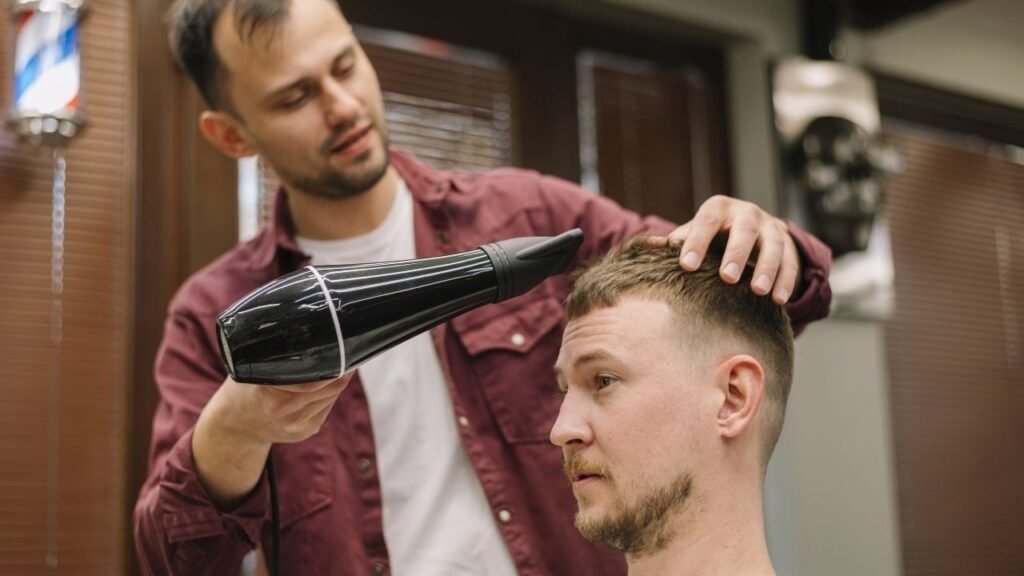
Dry shampoo or texturizing powder applied at the roots adds grip and lift, especially on second-day hair. For even more dramatic volume, use a round brush to lift each section upward while directing warm air at the roots, then finish with a cool shot to lock the shape in place. Professional stylists rely on this exact technique daily.
Using Accessories to Elevate Your Style
Hair accessories are an underrated tool for beginners because they provide instant polish with almost zero skill required. A single statement clip positioned at the side of the head transforms a basic down style into something editorial. Silk scrunchies add a retro touch while being gentler on hair than traditional elastics.
Headbands have made a strong comeback in recent years, with padded and embellished versions appearing on fashion runways. They are perfect for days when you want a styled appearance without actually styling simply push the band into place and let it do the work.
Common Mistakes Beginners Make and How to Avoid Them
Skipping heat protectant is the single most damaging error new stylists make. No hairstyle is worth compromising the long-term health of your hair. Make heat protection a non-negotiable first step every single time.
Using too much product is another frequent pitfall. A quarter-sized amount of mousse or a few pumps of serum is usually sufficient for medium-length hair. Overloading products weighs hair down, creates greasiness, and makes styles fall flat within hours.
Failing to section hair properly leads to uneven results with every tool and technique. Take the extra thirty seconds to clip your hair into top and bottom sections before blow-drying, curling, or straightening. This small habit alone will dramatically improve your outcomes.
Rushing is the underlying cause of most beginner frustrations. Professional stylists spend years perfecting their craft, so expecting salon-perfect results on your first attempt is unrealistic. Celebrate small wins, practice consistently, and allow yourself room to improve gradually.
Haircare Foundations That Support Better Styling
Daily Maintenance for Healthier Hair
Great hairstyles begin long before you pick up a tool. A consistent washing routine tailored to your hair type keeps strands clean, hydrated, and manageable. Most hair types benefit from washing every two to three days rather than daily, which can strip natural oils and leave hair dry.
Conditioner should be applied primarily to the mid-lengths and ends, avoiding the scalp where it can cause buildup. Detangling while conditioner is still in the hair, using a wide-tooth comb starting from the ends and working upward, prevents unnecessary breakage.
Deep Conditioning and Scalp Health
The broader beauty industry has embraced what experts call the “skinification” of hair care, treating the scalp with the same attention previously reserved for facial skin (The Hair Society). Weekly deep conditioning masks replenish moisture that daily styling and environmental exposure remove.
Scalp health directly influences how your hair grows, shines, and holds styles. A gentle scalp massage during washing increases blood circulation to the follicles. If you notice persistent dryness, flaking, or irritation, consult a dermatologist rather than attempting to treat the issue solely with over-the-counter products.
Final Thoughts
Mastering how to style hair for beginners is a journey that rewards patience, practice, and the willingness to experiment. Start with the fundamentals covered in this guide the right tools, proper heat protection, simple styles like ponytails and braids and build from there at your own pace.
The global hair styling products market is projected to grow from USD 29.3 billion in 2025 to USD 50 billion by 2035 (Market.us), reflecting just how many people are embracing personal hair care as part of their daily routine. You do not need professional training or expensive salon appointments to look and feel your best. Everything you need is already in your hands.
What is the easiest hairstyle for a complete beginner?
The low ponytail is the simplest starting point. It requires only a brush and an elastic band, takes under a minute, and works with every hair type and length. Once comfortable, you can progress to messy buns and basic braids.
How often should I wash my hair if I style it daily?
Most hair professionals recommend washing every two to three days. Over-washing strips natural oils that actually help your styles hold better. Dry shampoo between washes keeps hair fresh without the need for a full rinse.
Can heat styling damage my hair permanently?
Repeated heat exposure without protection can cause lasting structural damage to hair strands. However, using a quality heat protectant, keeping temperatures appropriate for your hair type, and limiting heat sessions to a few times per week minimizes this risk significantly.
What is the best tool for a beginner to buy first?
A hair dryer with adjustable heat and speed settings offers the most versatility for beginners. It handles blow-drying for volume, smoothing with a round brush, and even diffusing curls, making it the best single investment.
How long does it take to learn basic hair styling?
Most people can master two to three simple styles within one to two weeks of consistent daily practice. More advanced techniques like French braids or heatless curls typically take three to four weeks of regular repetition before they feel natural.
Do I need expensive tools to get professional-looking results?
Not necessarily. While premium brands like Dyson offer advanced technology, many affordable tools from Revlon, Conair, and Hot Tools deliver excellent results for beginners. Focus on adjustable heat settings and ceramic or tourmaline plates, which distribute heat more evenly.