

Scalp care tips from leading trichologists and dermatologists reveal that a well-nourished foundation is essential for achieving the vibrant hair you’ve always desired. Many people invest heavily in expensive hair treatments and styling products while completely overlooking the skin beneath their hair, yet this is where true transformation happens. A healthy scalp environment promotes stronger hair follicles, reduces irritation and flaking, and creates optimal conditions for natural hair growth.
In this comprehensive guide, we’ll explore professional scalp care tips backed by scientific research and clinical experience. You’ll discover how to identify your unique scalp type, implement effective cleansing routines, balance your scalp’s pH levels, address common concerns like dandruff and sensitivity, and incorporate nourishing treatments using both modern formulations and time-tested natural ingredients for long-lasting results.

Understanding Your Scalp Care Tips: The Foundation of Healthy Hair
Before implementing any scalp care tips, it’s crucial to understand that your scalp is living skin requiring the same attention as your face. Trichologists emphasize that scalp health directly influences hair texture, growth rate, and overall appearance. The scalp contains thousands of hair follicles, sebaceous glands, and a delicate microbiome that maintains balance. When this ecosystem is disrupted through harsh products, environmental stressors, or improper care routines, you may experience excessive oiliness, dryness, itching, or thinning hair. Recognizing your specific scalp type whether oily, dry, combination, or sensitive is the first step toward creating an effective personalized care routine that addresses your unique needs.
Identifying Your Scalp Type
Understanding your scalp condition helps you select appropriate products and treatments. Oily scalps produce excess sebum, leading to greasy roots and frequent washing needs. Dry scalps lack sufficient natural oils, often resulting in flakiness and tightness. Sensitive scalps react easily to ingredients, causing redness and irritation. Combination scalps display characteristics of multiple types simultaneously, requiring balanced approaches to treatment and maintenance.
Essential Daily Scalp Care Practices
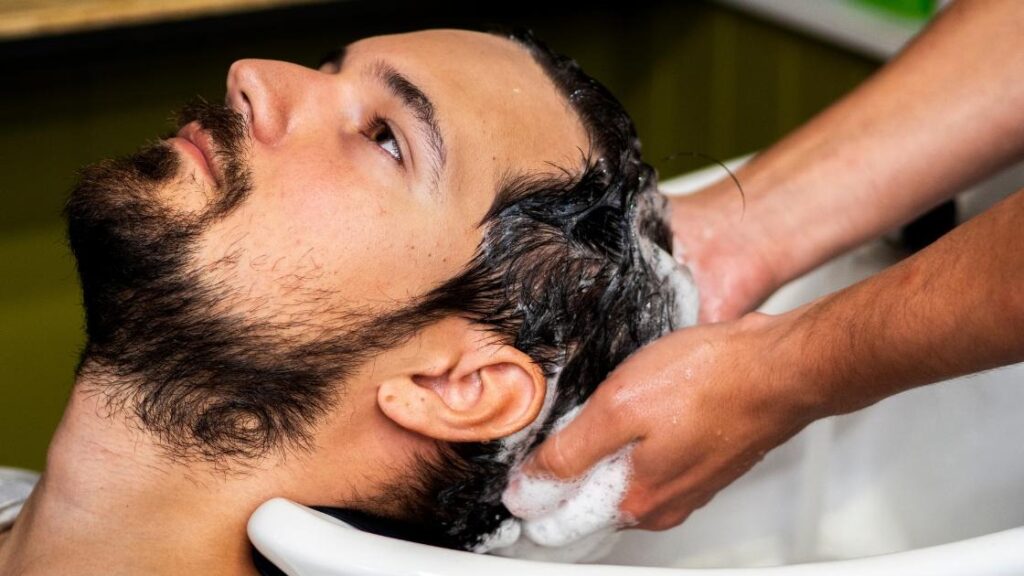
Professional scalp care tips emphasize consistency in your daily routine. Start with gentle scalp massage during shampooing to stimulate blood circulation and promote nutrient delivery to hair follicles. Use lukewarm water rather than hot temperatures, which can strip natural oils and cause dryness. Apply shampoo directly to the scalp rather than hair lengths, focusing on cleansing the skin thoroughly. Dermatologists recommend shampooing frequency based on scalp type: oily scalps benefit from daily or every-other-day washing, while dry scalps thrive with two to three washes weekly. Always rinse conditioner completely, as residue buildup contributes to scalp congestion and dullness.
Proper Cleansing Techniques
- Start by saturating your hair with lukewarm water to softly lift the cuticles for a deeper clean.
- Take a quarter-sized dollop of sulfate-free shampoo and massage it directly into your roots.
- Massage using fingertips in circular motions for two to three minutes
- Rinse completely ensuring no product residue remains on the scalp
- Follow with conditioner applied mid-length to ends, avoiding the scalp area
Exfoliation and Deep Cleansing Methods
Among the most effective scalp care tips is regular exfoliation to remove dead skin cells, product buildup, and excess sebum. Hair health experts recommend scalp scrubs containing gentle exfoliants like sugar, salt, or jojoba beads once or twice weekly. Chemical exfoliants with salicylic acid or glycolic acid work excellently for those prone to dandruff or seborrheic dermatitis. Clarifying treatments help reset your scalp’s natural balance, particularly if you use heavy styling products frequently. Apple cider vinegar rinses, diluted at a one-to-four ratio with water, restore optimal pH levels while removing mineral deposits from hard water.
Benefits of Regular Scalp Exfoliation
Consistent exfoliation improves scalp health by unclogging hair follicles, enhancing product absorption, reducing inflammation, promoting cellular turnover, and creating an environment conducive to healthy hair growth. This practice also addresses common concerns like itchiness and flaking.
Nourishing Treatments and Natural Remedies
Implementing targeted scalp care tips through weekly treatments significantly improves overall scalp condition. Tea tree oil possesses antimicrobial properties that combat dandruff-causing fungi and bacteria when diluted properly with carrier oils. Peppermint oil increases blood flow to follicles, potentially stimulating growth while providing cooling relief to irritated skin. Aloe vera gel soothes inflammation and hydrates dry scalps naturally without weighing down hair. Rosemary oil has demonstrated effectiveness in clinical studies for promoting hair density and thickness through improved scalp circulation.
Effective Natural Scalp Treatments
- Coconut oil masks provide deep moisture and antimicrobial protection for dry scalps
- Witch hazel toner balances oil production and tightens pores on oily scalps
- Chamomile tea rinses calm sensitivity and reduce redness and irritation naturally
- Biotin-rich avocado masks strengthen follicles and nourish the scalp tissue deeply
- Yogurt applications restore beneficial bacteria to support a healthy scalp microbiome
Lifestyle Factors Affecting Scalp Health
Beyond topical scalp care tips, internal factors significantly impact scalp condition. Hydration plays a vital role; drinking adequate water maintains skin moisture from within. Nutrition matters tremendously, with protein, omega-3 fatty acids, zinc, and B vitamins supporting healthy scalp function. Stress management prevents cortisol spikes that disrupt oil production and trigger inflammatory responses. Quality sleep allows cellular repair processes essential for maintaining scalp integrity. Protecting your scalp from UV damage with hats or SPF products prevents premature aging and dryness.
Common Scalp Issues and Solutions
Many individuals seek scalp care tips to address specific concerns. Dandruff requires antifungal treatments containing zinc pyrithione or ketoconazole alongside regular exfoliation. Scalp psoriasis benefits from coal tar formulations and medicated shampoos prescribed by dermatologists. Hair loss related to scalp health improves with minoxidil applications, caffeine-based treatments, and ensuring proper follicle nutrition. Seborrheic dermatitis responds well to anti-inflammatory ingredients like pyrithione zinc combined with gentle cleansing practices. Always consult healthcare professionals for persistent or severe scalp conditions requiring medical intervention.
Conclusion
Ultimately, prioritizing scalp care tips is the most effective way to transform your hair from the root up. By moving beyond basic washing and incorporating targeted exfoliation, pH-balancing treatments, and nutrient-dense natural ingredients, you create the perfect environment for lasting vitality. Remember that healthy growth depends as much on internal wellness and hydration as it does on professional topical products. Consistently applying these expert scalp care tips strategies ensures your hair remains resilient, balanced, and vibrant. Start treating your skin with the same precision as your face to unlock your hair’s true potential.