
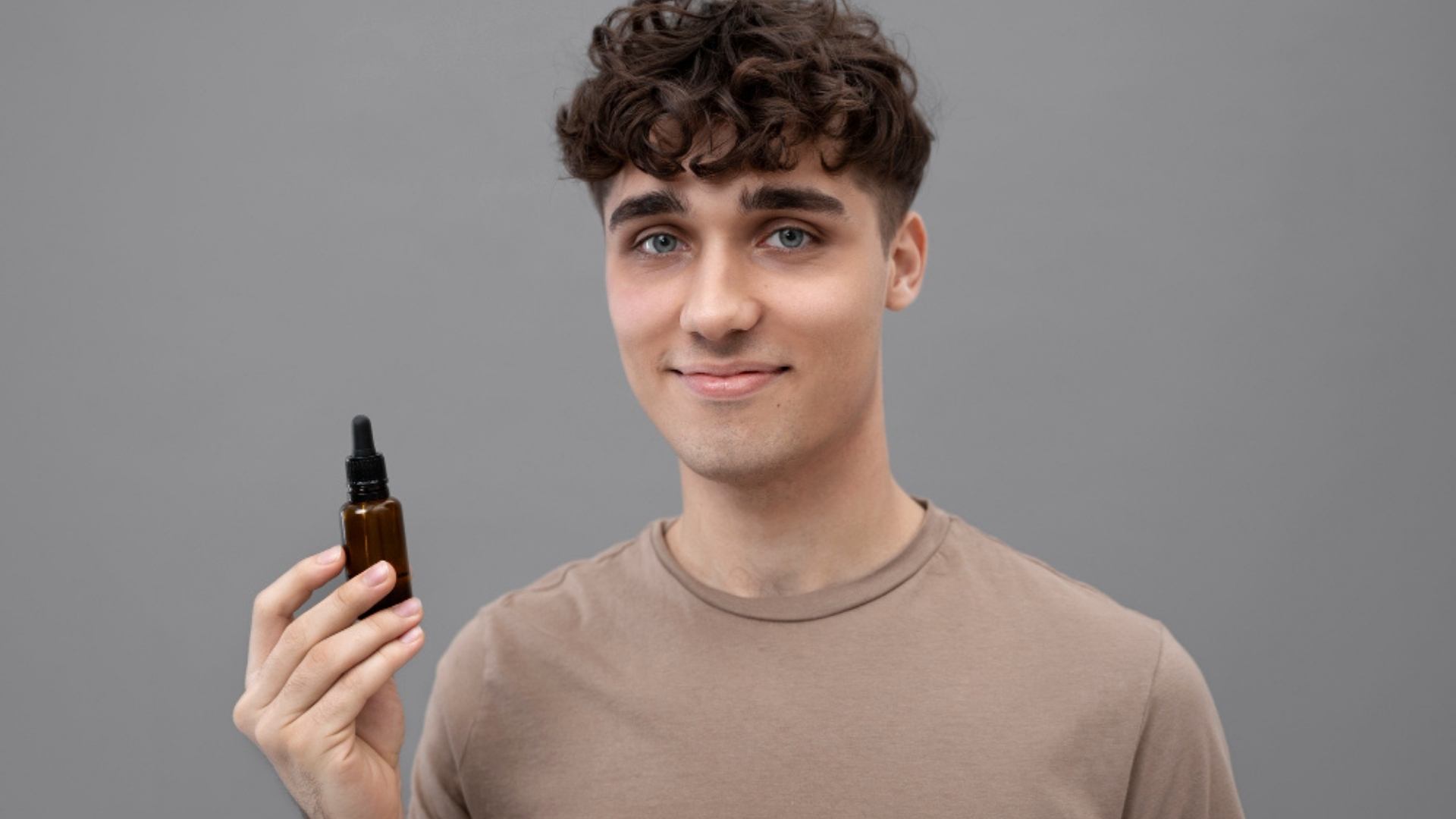

The best homemade beard growth oil combines nutrient rich carrier oils with follicle stimulating essential oils to nourish facial hair from root to tip, and you can make it in your kitchen for a fraction of the cost of store bought alternatives. If you have been spending money on commercial beard oils loaded with synthetic fillers, switching to a DIY beard oil blend gives you full control over every ingredient that touches your skin.
The global beard oil market reached nearly $980 million in 2024, according to a Grand View Research industry report, and the organic segment is growing at the fastest rate as men seek out chemical free grooming products. You do not need to contribute to that number when a handful of cold pressed oils and essential oils can deliver the same (or better) results at home.
This guide breaks down the science backed ingredients, exact recipes, and step by step instructions you need to create your own beard growth oil today.
Table of Contents
Why Make Your Own Beard Growth Oil at Home?
Making a DIY beard growth oil at home gives you three major advantages: ingredient transparency, cost savings, and customization.
Most commercial beard oils contain fragrance blends, preservatives, and filler oils that add shelf life but do nothing for hair growth. When you mix your own natural beard oil, every drop serves a purpose. You pick the carrier oils based on your skin type, choose essential oils backed by actual research, and skip anything your skin does not tolerate.
Cost is another compelling reason. A single 1 oz bottle of premium beard oil can run anywhere from $15 to $40. The same carrier and essential oils purchased separately can produce 10 to 15 bottles of homemade oil for a similar total investment.
Finally, you can adjust your formula as your beard evolves. A patchy beard in early growth stages needs different support than a full, established beard. Homemade blends give you that flexibility without buying a new product every time.
Key Ingredients in the Best Homemade Beard Growth Oil
The most effective DIY beard oil recipe starts with the right base. Every beard growth oil has two categories of ingredients: carrier oils (the bulk of the blend) and essential oils (concentrated plant extracts added in small amounts).
Carrier Oils: The Foundation of Your Blend
Carrier oils make up roughly 95% to 98% of your final product. They dilute essential oils, moisturize skin, and deliver vitamins directly to hair follicles.
| Carrier Oil | Primary Benefit | Best For |
| Jojoba Oil | Mimics natural skin sebum | All skin types, daily use |
| Castor Oil | Rich in ricinoleic acid for circulation | Patchy or thin beards |
| Sweet Almond Oil | Loaded with Vitamin E and magnesium | Dry, flaky skin under beard |
| Argan Oil | High in antioxidants and fatty acids | Coarse, wiry beard hair |
| Grapeseed Oil | Lightweight, fast absorbing | Oily or acne prone skin |
| Avocado Oil | Deep penetration, nutrient dense | Extremely dry or damaged hair |
Jojoba oil stands out because its molecular structure closely resembles the sebum your skin naturally produces. This means it absorbs quickly without clogging pores or leaving a greasy film. It works as an excellent base for virtually any beard oil formulation.
Castor oil deserves special attention. Its high concentration of ricinoleic acid improves blood flow to hair follicles, which can support thicker growth over time. However, castor oil is thick and sticky on its own, so it works best when blended with lighter oils like jojoba or sweet almond.
Essential Oils: The Growth Activators
Essential oils are where the real growth stimulation happens. These concentrated extracts should never be applied directly to skin; they must always be diluted in carrier oils.
Peppermint oil has the strongest research backing for hair growth among essential oils. A 2014 study published in Toxicological Research found that peppermint oil produced more significant hair growth results than minoxidil (a common hair loss treatment) when tested on mice. The peppermint group showed notable increases in follicle number, follicle depth, and skin thickness after just four weeks of topical application.
Rosemary oil is another essential oil with promising evidence. A 2015 study published in the journal SKINmed compared rosemary oil to 2% minoxidil over six months and found comparable improvements in hair count among participants with androgenetic hair loss.
Other essential oils worth including in your homemade beard oil:
Tea tree oil offers antibacterial and antifungal properties that keep the skin beneath your beard clean and free of beardruff (beard dandruff). Cedarwood oil may help balance oil producing glands in the skin, and lavender oil supports a healthy scalp environment while adding a naturally calming scent.
The Ideal Carrier to Essential Oil Ratio
Getting the ratio right is critical for both safety and effectiveness. Here is the standard guideline for homemade beard oil:
For a 1 oz (30 ml) bottle of beard growth oil, use:
- 28 to 29 ml of carrier oil (or a blend of carrier oils)
- 6 to 10 drops total of essential oils
This keeps your essential oil concentration between 1% and 2%, which is the sweet spot recommended by most aromatherapists for facial application. Going above 2% increases the risk of skin irritation, redness, and sensitivity, especially with potent oils like peppermint.
Quick Safety Note: Always perform a patch test before applying any new oil blend to your full beard area. Dab a small amount on the inside of your wrist, wait 24 hours, and check for redness or irritation.
5 Best Homemade Beard Growth Oil Recipes
Recipe 1: The Classic Growth Booster
This all purpose DIY beard growth oil is ideal for beginners and works well on most skin types.
Ingredients (1 oz / 30 ml):
- 15 ml jojoba oil
- 10 ml sweet almond oil
- 5 ml castor oil
- 4 drops peppermint essential oil
- 3 drops rosemary essential oil
- 2 drops cedarwood essential oil
Why it works: Jojoba provides the lightweight, fast absorbing base. Sweet almond oil delivers Vitamin E for nourishment. Castor oil adds thickness stimulating properties. The peppermint and rosemary essential oils work together to boost circulation to follicles, while cedarwood helps regulate sebum production.
Recipe 2: The Patchy Beard Filler
Designed specifically for men dealing with uneven growth or thin spots.
Ingredients (1 oz / 30 ml):
- 12 ml castor oil
- 10 ml jojoba oil
- 8 ml avocado oil
- 5 drops peppermint essential oil
- 3 drops tea tree essential oil
- 2 drops lavender essential oil
Why it works: This recipe uses a higher proportion of castor oil to maximize blood flow to underdeveloped follicles. Avocado oil penetrates deep into the skin to deliver fatty acids and potassium directly where sparse patches need the most support. Tea tree keeps the skin healthy and prevents follicle clogging breakouts.
Recipe 3: The Sensitive Skin Soother
Built for men whose facial skin reacts easily to strong oils or fragrances.
Ingredients (1 oz / 30 ml):
- 15 ml jojoba oil
- 10 ml grapeseed oil
- 5 ml sweet almond oil
- 3 drops lavender essential oil
- 2 drops chamomile essential oil
Why it works: Grapeseed oil is one of the lightest carrier oils available, making it perfect for acne prone or reactive skin. Lavender and chamomile are among the gentlest essential oils and both carry anti inflammatory properties that calm redness and irritation beneath the beard.
Recipe 4: The Winter Beard Protector
Cold, dry weather strips moisture from facial hair faster than any other season. This thick, deeply hydrating formula fights back.
Ingredients (1 oz / 30 ml):
- 10 ml argan oil
- 10 ml avocado oil
- 5 ml castor oil
- 5 ml coconut oil (fractionated, liquid form)
- 4 drops rosemary essential oil
- 3 drops peppermint essential oil
Why it works: Argan and avocado oils create a protective moisture barrier that shields both the hair shaft and the skin underneath from harsh winter air. Fractionated coconut oil adds lightweight hydration without solidifying in cold temperatures, while the rosemary and peppermint duo continues stimulating follicle activity even during slower winter growth cycles.
Recipe 5: The Maximum Growth Powerhouse
For men who want the most aggressive natural growth formula possible.
Ingredients (1 oz / 30 ml):
- 12 ml jojoba oil
- 8 ml castor oil
- 5 ml pumpkin seed oil
- 5 ml sweet almond oil
- 4 drops peppermint essential oil
- 3 drops rosemary essential oil
- 2 drops tea tree essential oil
Why it works: Pumpkin seed oil is the secret weapon here. A 2014 randomized, double blind, placebo controlled trial published in Evidence Based Complementary and Alternative Medicine found that pumpkin seed oil supplementation led to a 40% increase in hair count among male participants over 24 weeks. Combined with the circulation boosting effects of peppermint and castor oil, this recipe targets beard growth from multiple angles simultaneously.

How to Apply Homemade Beard Growth Oil (Step by Step)
Proper application matters just as much as the recipe itself. Follow these steps for the best absorption and results:
- Wash your face first. Apply your oil right after a warm shower or after washing your face with a gentle cleanser. Warm, slightly damp skin absorbs oil far more effectively than dry skin.
- Dispense the right amount. Pour 3 to 5 drops into your palm for short beards, or 6 to 10 drops for longer, fuller beards.
- Warm the oil between your hands. Rub your palms together for a few seconds. This activates the essential oils and makes the blend easier to spread.
- Massage into the skin first. Use your fingertips to work the oil into the skin beneath your beard using small circular motions.
- Distribute through the hair. After the skin is covered, run your fingers (or a beard comb) through your facial hair from root to tip to coat each strand evenly.
How Often Should You Use Beard Growth Oil?
For optimal results, apply your homemade beard growth oil once or twice daily. Morning application protects and moisturizes throughout the day. An evening application before bed gives the oils several uninterrupted hours to absorb deeply into your skin and follicles while you sleep.
Consistency is the single biggest factor in seeing visible improvement. Most men notice softer, less itchy facial hair within the first one to two weeks. Visible changes in thickness and coverage typically appear after 6 to 12 weeks of regular daily use.
Common Mistakes to Avoid With DIY Beard Oil
Even the best homemade beard growth oil will underperform if you make these errors:
- Using too much essential oil. Exceeding a 2% concentration can burn or irritate facial skin. More drops do not equal faster growth.
- Skipping the skin underneath. Applying oil only to the hair surface misses the follicles entirely. Always massage into the skin first.
- Storing oil in clear bottles. Essential oils degrade when exposed to light. Use dark amber or cobalt blue glass dropper bottles and store them in a cool, dry place.
- Expecting overnight results. Hair grows roughly half an inch per month on average. No oil, homemade or commercial, can override your genetics overnight. Give your blend at least 8 to 12 weeks before judging its effectiveness.
- Neglecting overall health. Beard growth is influenced by testosterone, nutrition, sleep, and stress levels. A solid diet rich in protein, biotin, zinc, and Vitamins A and E supports your beard from the inside while oil works from the outside.
Topical Range: What Else Supports Beard Growth Beyond Oil?
The best homemade beard growth oil delivers real results, but it works even better as part of a broader grooming and health routine.
Nutrition plays a foundational role. Foods rich in biotin (eggs, nuts, whole grains), zinc (oysters, red meat, lentils), and omega 3 fatty acids (salmon, flaxseed) feed hair follicles from within. Hydration also matters more than most men realize; dehydrated skin produces weaker hair.
Exfoliation once or twice a week removes dead skin cells that can block follicles and slow growth. A gentle face scrub or a boar bristle beard brush does the job well. Exercise supports beard growth indirectly by boosting testosterone levels and improving circulation, both of which play a role in facial hair density.
When combined, these habits create the ideal environment for your DIY beard oil to deliver maximum impact.
Conclusion
Creating the best homemade beard growth oil is simpler than most men expect. With a few quality carrier oils, a handful of research backed essential oils, and the right ratio, you can build a custom formula that rivals or outperforms anything on the shelf. The five recipes above give you a starting point for every skin type and growth stage, from patchy beginners to full beard veterans battling winter dryness.
The key is consistency. Pick a recipe, mix your first batch, apply it daily, and give your beard the time it needs to respond. Your follicles, your wallet, and your grooming routine will all be better for it.
Have you tried making your own beard oil at home? Share your favorite recipe or ingredient in the comments below, and pass this guide along to anyone working on their beard game.
Frequently Asked Questions
Does homemade beard growth oil actually work?
Yes, homemade beard growth oil can effectively moisturize skin, reduce breakage, and create healthier conditions for facial hair to grow. Ingredients like castor oil and peppermint oil have research supporting their ability to improve circulation and support hair follicle activity. Results depend on consistent daily application and realistic expectations based on your genetics.
What is the best oil combination for beard growth?
A blend of jojoba oil, castor oil, and sweet almond oil as carrier oils, combined with a few drops of peppermint and rosemary essential oils, is widely considered one of the most effective homemade beard oil combinations. This mix balances hydration, follicle stimulation, and skin nourishment in a single formula.
How long does it take for homemade beard oil to show results?
Most users notice softer, less itchy beard hair within the first two weeks of daily use. Visible improvements in thickness, coverage, and reduced patchiness generally take between 6 and 12 weeks. Faster results come from pairing your oil with proper nutrition, hydration, and regular grooming habits.
Can I use homemade beard oil every day?
Absolutely. Daily application is recommended for the best results. Applying once in the morning and once before bed gives your skin and follicles consistent nourishment. Just keep your essential oil concentration at or below 2% to avoid irritation from repeated use.
How should I store my DIY beard growth oil?
Store your homemade beard oil in a dark glass dropper bottle, preferably amber or cobalt blue, in a cool and dry location away from direct sunlight. Properly stored, a natural beard oil blend without preservatives will stay fresh for approximately 6 to 12 months depending on the carrier oils used.
Is homemade beard oil better than store bought?
Homemade beard oil gives you full control over ingredient quality and lets you customize the formula for your specific skin type and growth goals. Store bought oils often include synthetic fragrances, preservatives, and filler ingredients that add no benefit to beard growth. For men who want a pure, effective, and affordable option, DIY beard oil is often the superior choice.