
Beard oil for patchy hair is one of the most searched grooming solutions among men who want a thicker, more even beard without resorting to medications or transplants. If you have been staring at bare spots in the mirror, wondering whether a simple oil can actually make a difference, the short answer is: yes, but not in the way most people expect.
Beard oil does not generate brand new hair follicles where none exist. What it does is create the ideal environment for your existing follicles to perform at their best. It hydrates the skin underneath, reduces breakage that makes gaps look worse, and delivers nutrients directly to the roots so each strand grows stronger and fuller.
According to the Wimpole Clinic (2025), more than half of British men now sport facial hair, a sharp increase from earlier years, yet a significant portion of them struggle with uneven growth at some point. This article covers everything you need to know about using beard oil to tackle patchy facial hair, from the science behind it to the specific ingredients that deliver real results.
What This Guide Covers (Topical Range)
This guide explores why patchy beards happen and what science says about it, how beard oil works on thin and uneven facial hair, key ingredients to look for including jojoba, castor, and argan, a step by step application method for maximum absorption, supporting habits like diet, derma rolling, and exercise, common mistakes that make patchiness worse, and frequently asked questions about beard growth oils.
Table of Contents
Why Does Your Beard Grow Patchy in the First Place?
Quick Answer: Patchy beard growth is primarily caused by genetics, hormone levels (particularly DHT sensitivity), age, nutritional deficiencies, and chronic stress. Most men under 25 have not yet reached their full beard growth potential.
Before reaching for any product, it helps to understand why gaps form in the first place. Your facial hair density is largely determined by the number and distribution of androgen receptors in your skin. These receptors respond to hormones like testosterone and dihydrotestosterone (DHT), which trigger hair follicles to produce visible beard hair.
Some areas of your face may have fewer of these receptors, which means those spots grow hair slower or not at all. This is almost entirely genetic. If your father or grandfather had a patchy beard during their twenties, there is a strong chance you will experience a similar pattern.
Common Causes of Uneven Beard Growth
Genetics determines follicle density and placement across your face. It is the single biggest factor behind uneven facial hair.
Hormone Levels play a direct role. Low testosterone or poor DHT sensitivity leads to thinner, slower facial hair growth across the board.
Age is often overlooked. Most men do not reach peak beard fullness until their late twenties or early thirties, so patience alone can solve some patchiness.
Nutrition matters more than most realize. Deficiencies in biotin, zinc, iron, and vitamins D and B12 can weaken hair production significantly.
Stress elevates cortisol, which can disrupt the hair growth cycle and cause premature shedding of beard hairs.
Skin Health is the foundation. Dry, clogged, or inflamed skin beneath the beard suffocates follicles and slows regrowth.
The encouraging news is that while you cannot change your genetics, you can directly improve several of these other factors. Beard oil targets the last item on that list, skin health, with remarkable effectiveness. When the skin beneath your beard is hydrated, clean, and nourished, your follicles have the support they need to produce thicker, healthier strands.
How Does Beard Oil Actually Help Patchy Facial Hair?
Quick Answer: Beard oil helps patchy beards by deeply moisturizing the skin and hair, reducing breakage that widens visible gaps, unclogging pores around dormant follicles, and delivering vitamins that strengthen each strand from root to tip.
Think of beard oil as soil preparation rather than seed planting. It will not sprout new follicles on bare skin, but it dramatically improves conditions for the follicles you already have. Many men mistake breakage and dryness for genuine patchiness. When beard hairs snap off near the root because they are brittle, the result looks identical to a bare patch, even though the follicle is perfectly functional.
Four Ways Beard Oil Fights Patchiness
1. Prevents Breakage and Shedding. Carrier oils like jojoba and argan coat each strand with a protective layer, reducing friction and snap off. Fewer broken hairs means fewer false “bald spots” in your beard.
2. Hydrates the Skin Underneath. Dry, flaky skin chokes follicles. Quality beard oil penetrates the epidermis, keeping the foundation healthy so hair can push through without obstruction.
3. Boosts Blood Circulation Through Massage. The act of massaging oil into your beard increases blood flow to the area. Better circulation delivers more oxygen and nutrients to each follicle, supporting stronger growth.
4. Delivers Targeted Vitamins and Fatty Acids. Ingredients like vitamin E, omega fatty acids, and ricinoleic acid nourish hair at the cellular level, reinforcing strands that might otherwise grow thin or weak.
As noted by Hims (2025), the FDA has not approved any medication specifically for beard growth. While topical treatments like minoxidil show some promise, their use on facial hair is technically off label. This makes well formulated beard oils one of the safest and most accessible options available for men looking to address uneven growth without pharmaceutical intervention.
Best Beard Oil Ingredients for Patchy Growth
Quick Answer: The most effective beard oils for patchy hair contain jojoba oil, castor oil (rich in ricinoleic acid), argan oil, sweet almond oil, and vitamin E. Essential oils like peppermint and rosemary may also support follicle stimulation.
Not every beard oil is formulated equally. The difference between a product that works and one that sits on your face doing nothing comes down to its ingredient list. Below are the carrier oils and active compounds that research and grooming experts consistently recommend for tackling thin and patchy facial hair.
Jojoba Oil mimics natural skin sebum, is non comedogenic, and is rich in vitamins E and B complex. It balances oil production, prevents pore clogging, and absorbs fast to hydrate follicles without residue.
Castor Oil contains up to 90% ricinoleic acid, has a thick consistency, and is anti inflammatory. It improves blood circulation to follicles and coats hair to prevent breakage and thinning. As explained by Bootlegged Barber Co., castor oil’s ricinoleic acid may influence substances linked to follicle health, including PGD2 and PGE2, which play a role in hair cycling.
Argan Oil is rich in vitamin E, omega fatty acids, and antioxidants. It softens wiry hair, reduces friction breakage, and adds healthy shine without greasiness.
Sweet Almond Oil is lightweight and packed with zinc, magnesium, and protein. It is ideal for sensitive skin under the beard and reduces flaking and inflammation around weak follicles.
Vitamin E is a powerful antioxidant that protects against free radical damage. It strengthens existing hair, extends shelf life of oil blends, and supports cell regeneration.
Peppermint Oil provides a cooling sensation with antibacterial properties and stimulates nerve endings. Research suggests it may increase dermal thickness and follicle activity when used topically.
When shopping for a beard growth oil, scan the label for these carrier oils as the primary ingredients, not just additives. Products that list fragrance or mineral oil at the top of the ingredient list are unlikely to provide meaningful benefits for patchy areas. Look for cold pressed, organic formulations whenever possible, as the extraction method preserves more of the active nutrients. According to Badass Beard Care (2025), high quality oils absorb fast, feel light, and keep both hair and skin calm, while cheap alternatives sit on top of the hair and rely on synthetic fragrance that irritates the skin.
A solid everyday blend, as recommended by multiple grooming experts, combines roughly 60% castor oil for follicle nourishment, 35% jojoba oil for lightweight hydration, and 5% argan oil for softness and shine. You can purchase pre made formulas with similar ratios or mix your own at home using cold pressed oils from a trusted supplier.
How to Apply Beard Oil for Maximum Patchy Beard Coverage
Quick Answer: Apply beard oil to a slightly damp beard right after showering. Use 3 to 5 drops, warm them between your palms, and massage into the skin underneath your beard first, then work outward through the hair. Brush or comb afterward to distribute evenly.
Even the highest quality beard growth oil will underperform if you apply it carelessly. The method matters just as much as the product itself. Applying oil to a dry beard sitting on top of flaky skin wastes most of its nourishing potential because the ingredients cannot penetrate properly.
Step by Step Application for Thin and Patchy Beards
Step 1: Wash Your Face with a Gentle Cleanser. Start with a clean canvas. Removing dirt and excess sebum ensures the oil reaches your follicles instead of sitting on top of grime.
Step 2: Pat Your Beard Until Slightly Damp. Do not towel dry completely. A slightly damp beard opens hair cuticles, allowing carrier oils to absorb deeper into each strand and into the skin.
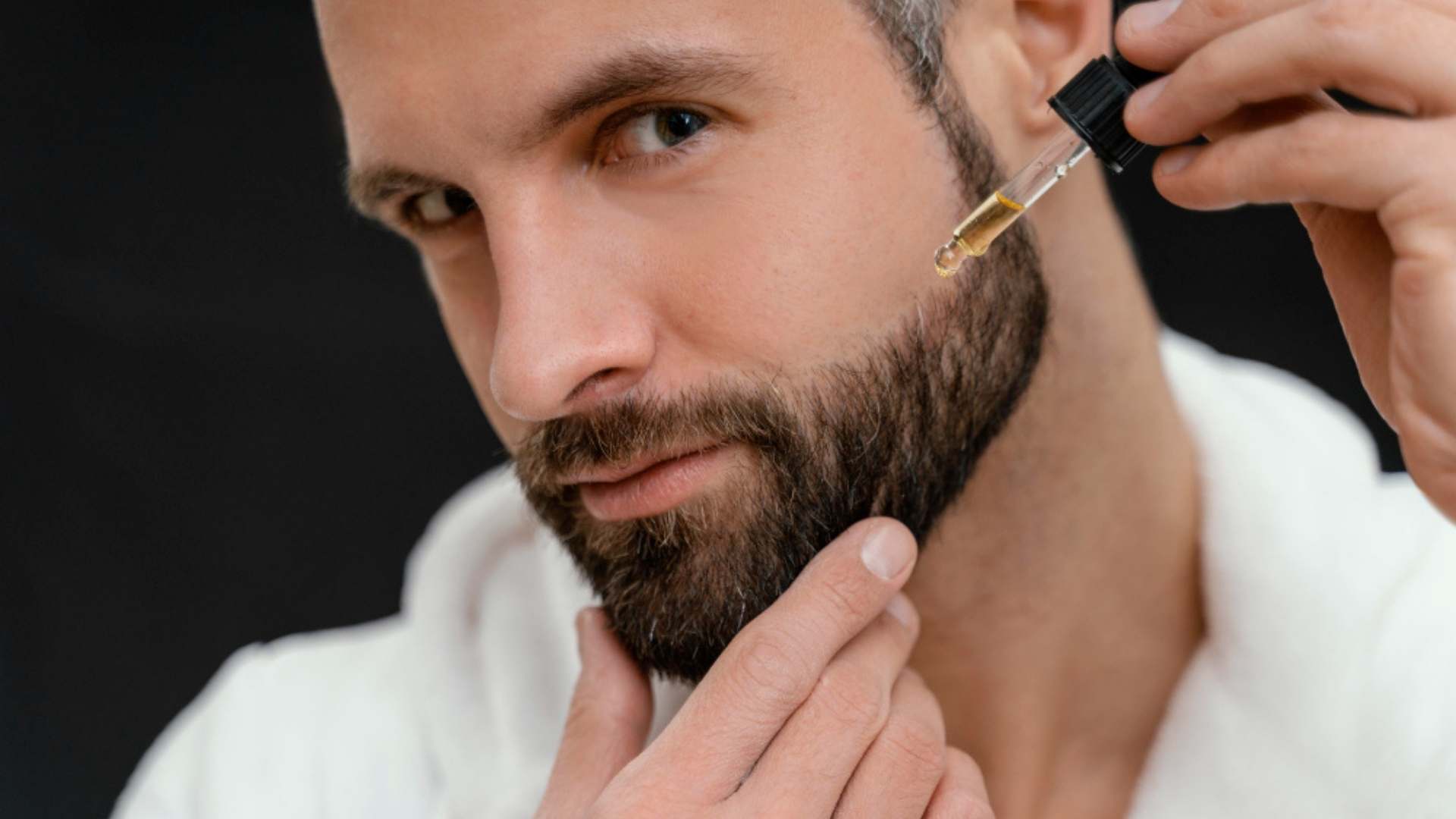
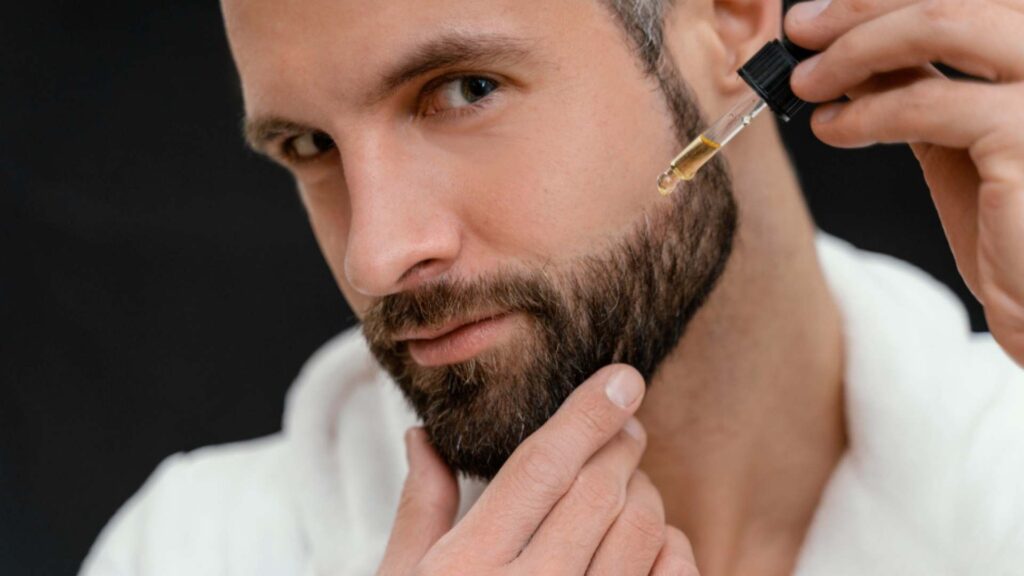
Step 3: Dispense 3 to 5 Drops into Your Palm. Shorter or patchier beards need fewer drops. Rub your palms together for a few seconds to warm the oil and activate its nutrients.
Step 4: Massage into the Skin First. Press your fingertips through the hair and work the oil into the skin underneath. Spend extra time on bare or thin patches. This massage step also boosts blood circulation to dormant follicles.
Step 5: Work Outward Through the Hair. Once the skin is covered, run your palms along the length of your beard to coat every strand evenly from root to tip.
Step 6: Comb or Brush to Finish. A boar bristle brush or wide tooth comb distributes remaining oil, trains hair direction, and helps thin areas blend with fuller sections for a more uniform appearance.
Consistency is the key variable here. Applying beard oil once and expecting overnight results is unrealistic. Most grooming professionals suggest a minimum of 8 to 12 weeks of daily use before evaluating whether a product is working for your patchy areas. As highlighted by Badass Beard Care (2025), an itchy, dry, or patchy beard usually means your skin and hair are dehydrated, and daily oil use restores balance over time.
Supporting Habits That Boost Beard Oil Results
Quick Answer: Pairing beard oil with a protein rich diet, regular exercise, adequate sleep, and optional derma rolling can significantly accelerate improvements in thin or uneven facial hair.
Beard oil handles the external side of the equation, but internal health plays an equally important role. Think of it this way: the oil feeds your follicles from the outside, while nutrition and lifestyle support them from the inside.
Nutrition for Beard Density
Your beard is made of keratin protein, and producing it requires a steady supply of biotin, zinc, iron, and vitamins A, D, and E. Eggs, salmon, spinach, nuts, and lean red meat are among the most beard friendly foods you can eat. If your diet consistently falls short, a biotin supplement (typically 2,500 to 5,000 mcg daily) can help fill the gap, though food sources are always preferable. As pointed out by Scotch Porter (2024), nutritional deficiencies can be a sneaky cause of patchy beards, and supplements packed with biotin, zinc, and other beard friendly nutrients can give your facial hair the boost it needs.
Derma Rolling: A Powerful Companion to Beard Oil
Microneedling has become one of the most talked about tools for patchy beard recovery. A pilot study published in the International Journal of Trichology (Dhurat et al., 2013) found that participants who combined microneedling with minoxidil saw a fourfold increase in average hair count compared to those using minoxidil alone. In that study, 82% of the microneedling group reported more than 50% improvement, versus just 4.5% in the minoxidil only group. While that research focused on scalp hair, the biological mechanism of stimulating collagen and activating growth factor pathways applies to facial follicles as well.
For beard use, a 0.5mm derma roller or derma stamp used once or twice per week is the standard recommendation. Apply your beard oil immediately after rolling while the micro channels are still open. This allows the nourishing ingredients to penetrate far deeper than surface level application alone. As noted by Apothecary 87 (2025), dermatologists reviewing early case reports have observed thicker cheek coverage in 8 to 12 weeks when men rolled twice weekly alongside a quality beard oil.
According to a 2025 systematic review cited by the Wimpole Clinic, combined microneedling and minoxidil treatment significantly improved both hair count and hair diameter in those affected by pattern baldness, further supporting microneedling as a valuable companion tool. As Healthline explains, microneedling works by inducing collagen production, and collagen consists of amino acids that hair follicle cells use to produce keratin proteins that promote hair growth and strength.
Exercise and Sleep
Resistance training has been shown to temporarily elevate testosterone levels, which supports facial hair production. Aim for at least three strength sessions per week. Equally important is sleep: your body repairs and regenerates hair cells primarily during deep sleep cycles. Consistently getting fewer than six hours limits your body’s ability to maintain healthy follicle turnover.
Common Mistakes That Make Patchy Beards Worse
Quick Answer: Shaving too early, using cheap oils with synthetic fillers, skipping the skin underneath, and expecting overnight results are the most frequent errors men make when dealing with patchy facial hair.
Shaving or trimming too soon is the number one mistake. Many men give up at 4 to 6 weeks when patches are most visible. Waiting at least 12 weeks lets slower follicles catch up.
Using oils with synthetic fragrance or mineral oil clogs pores and suffocates follicles, making gaps worse over time instead of better.
Applying oil only to the hair misses the point entirely. The skin underneath is where follicles live. If oil never reaches the skin, it is only conditioning existing strands, not encouraging new growth.
Inconsistent routine resets your progress. Skipping days or weeks undermines cumulative follicle nourishment. Daily application is essential.
Comparing your timeline to others creates unnecessary frustration. Genetics determine speed. Some men fill patches in 3 months; others need 6 to 12. Patience is non negotiable.
As Fresh Beards (2025) points out, when your beard is hydrated and your follicles are not dealing with buildup or irritation, hair can grow in stronger and more consistently over time, leading to a fuller beard that is less prone to patchiness.
Conclusion
Growing a fuller beard over patchy areas requires the right combination of quality products, smart habits, and genuine patience. Beard oil for patchy hair works by strengthening the follicles you already have, reducing the breakage that widens visible gaps, and keeping the skin underneath healthy enough to support new growth.
Choose an oil built around proven carrier ingredients like jojoba, castor, and argan. Apply it daily to damp skin, massage thoroughly, and give your body the nutritional support it needs from the inside. If you want to accelerate progress, adding a derma roller to your weekly routine is one of the most promising complementary strategies available.
Your patchy beard is not permanent. It is a starting point. Commit to the process for at least 90 days, track your progress with monthly photos, and you will likely be surprised at how much ground those bare spots can cover.
Found this guide helpful? Share it with a friend who is struggling with thin facial hair, or drop a comment below with the beard oil that has worked best for you. Your experience could help someone else find the right product for their patchy growth.
Frequently Asked Questions About Beard Oil for Patchy Hair
Q1: Can beard oil actually grow hair where there is none?
No. Beard oil cannot create new hair follicles on bare skin. What it does is optimize conditions for the follicles you already have by hydrating the skin, delivering vitamins, and reducing breakage. Many apparent “bald patches” are actually areas where hair exists but grows thin, weak, or breaks off early, and beard oil directly addresses those issues.
Q2: How long does it take for beard oil to show results on patchy areas?
Most men begin noticing softer texture and reduced flaking within 2 to 3 weeks. Visible improvements in patchiness typically require 8 to 12 weeks of consistent daily application. Full results often take 3 to 6 months because hair growth cycles are slow and individual follicles activate at different times.
Q3: What is the best beard oil ingredient for filling in thin spots?
Jojoba oil is widely considered the top carrier oil for patchy beards because it closely mimics your skin’s natural sebum, absorbs quickly, and does not clog pores. For added follicle stimulation, look for formulas that also contain castor oil (rich in ricinoleic acid) and vitamin E for antioxidant protection.
Q4: Should I use a derma roller with beard oil for patchy growth?
Combining a 0.5mm derma roller with beard oil is one of the most effective complementary approaches available. Microneedling creates tiny channels in the skin that allow oil to absorb deeper and also triggers your body’s natural wound healing response, which sends growth factors to the treated area. Use the roller once or twice a week and apply oil immediately afterward.
Q5: Is beard oil safe for sensitive skin?
Yes, provided you choose formulas with non comedogenic carrier oils like jojoba and sweet almond, and avoid products loaded with synthetic fragrances or alcohol. Always patch test a new oil on a small area of your jawline for 24 hours before applying it across your entire beard to rule out any allergic reaction.
Q6: Can I use beard oil if I only have stubble?
Absolutely. Starting beard oil early in the growth process is actually ideal. It calms the itching and irritation that cause many men to shave prematurely, and it begins conditioning your skin and follicles before patchiness becomes a visible problem. Even a few drops massaged into stubble can set the stage for healthier long term growth.