
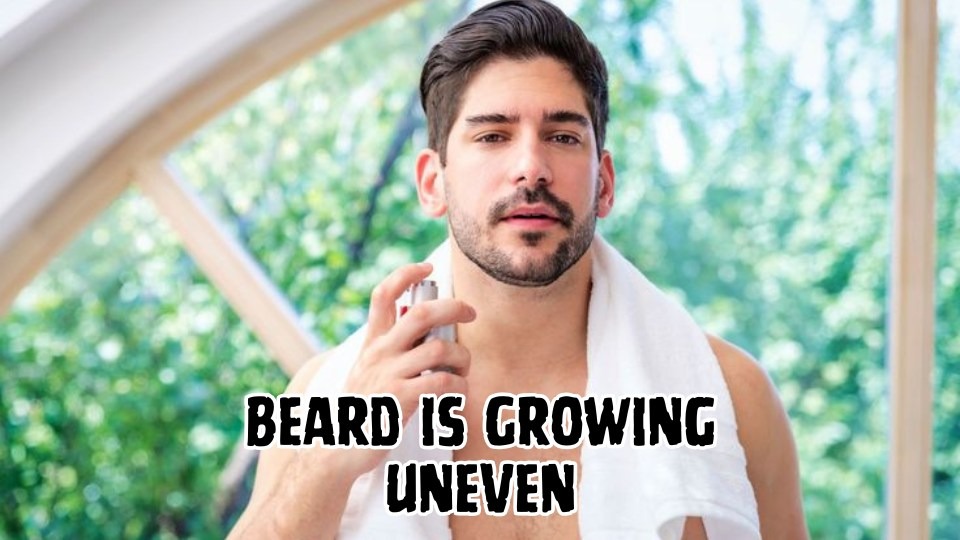
If your beard is growing uneven, you are far from alone. Patchy, lopsided, or inconsistent facial hair ranks among the most widespread grooming concerns men face worldwide, yet the topic remains poorly understood leaving many men frustrated and tempted to reach for a razor before giving their beard a fair chance.
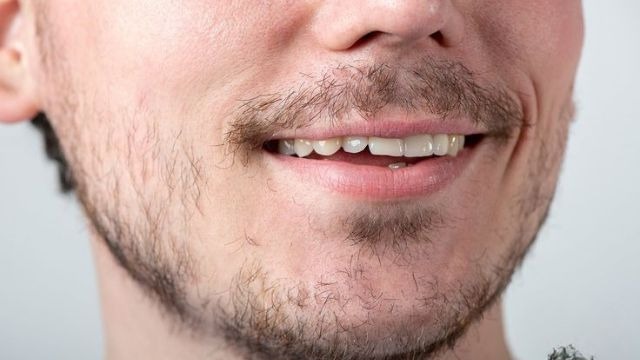
In practical terms, an uneven beard describes a situation where some zones of the face sprout thick, visible hair while other areas lag behind noticeably. You might see lopsided density between the left and right cheeks, bare patches along the jawline, or a robust chin accompanied by thin sideburns.
The encouraging reality is that understanding the biological mechanisms at play makes it far easier to choose an effective response. This guide walks through every major cause, ranks the most reliable solutions, and includes style recommendations designed specifically for men working with patchy or asymmetric growth.
Table of Contents
What Causes an Uneven Beard? 7 Evidence-Based Factors
Rarely does a single variable explain patchy facial hair. Instead, most cases result from an interplay of inherited traits, hormonal dynamics, biological age, immune function, skin health, daily habits, and even how you sleep.
1. Genetics The Dominant Variable in Beard Development
Your DNA is the primary architect of your beard. Data from the Gitnux 2026 Beard Statistics Report indicates that inherited factors explain about 80 percent of the variation in beard thickness among men of European descent. Density, color, growth speed, and distribution of your facial hair are largely inherited traits that you cannot change through willpower alone.
Meanwhile, researchers at Ancestry have identified more than 500 DNA markers connected to facial hair thickness, including variants in the LNX1 gene on chromosome 4 that influence how densely or sparsely your beard grows (AncestryDNA Traits Facial Hair Thickness).
Every man is born with approximately 25,000 to 30,000 follicles across the lower face, but those follicles are distributed unevenly from birth. This built-in asymmetry means your chin may fill in rapidly while your cheeks remain sparse and that pattern is inherited rather than earned.
What you can do: You cannot rewrite your genetic code, but knowing your family’s beard history helps you set realistic expectations and select grooming strategies that complement your natural pattern.
2. Hormones The Testosterone and DHT Connection
Two hormones steer beard development: testosterone and its potent derivative, dihydrotestosterone (DHT). DHT binds to androgen receptors inside each follicle, triggering the conversion of fine, nearly invisible vellus hair into thick terminal strands.
Critically, individual follicles differ in their receptor sensitivity. Even when systemic testosterone levels fall within the normal range, certain facial zones may house follicles that respond weakly to DHT while neighboring zones respond strongly. This receptor-level variation not overall hormone quantity is the primary hormonal reason behind patchy growth (The Beard Club Beard Genetics).
A patchy beard is therefore not a reliable indicator of low testosterone. A man with high testosterone can still have sparse facial hair if his follicles lack sufficient androgen receptor sensitivity.
3. Age Your Beard Is Probably Still Developing
If you are under 25 and disappointed by your coverage, biological time is likely on your side. Facial hair maturation is a slow, multi-year process that continues long after puberty ends. Most men do not reach their maximum follicle density until somewhere between 30 and 35 years of age, and some continue gaining coverage well into their early 40s.
On the other end of the timeline, beard growth slows by approximately 25 percent after age 50 as androgen receptor activity and blood flow to the skin gradually decline (Gitnux 2026 Beard Statistics Report).
Age and Beard Development Timeline:
| Age Range | Typical Beard Stage |
| 15–20 | Early activation significant patchiness is biologically normal |
| 20–25 | Moderate filling many gaps are still maturing |
| 25–30 | Noticeable density improvements as more follicles produce terminal hair |
| 30–35 | Peak beard density for the majority of men |
| 35–45 | Continued refinement some men still gaining new coverage |
| 50+ | Gradual thinning may begin in certain areas |
4. Alopecia Barbae Sudden Circular Bald Patches
Smooth, coin-shaped patches of missing beard hair that appear over days or weeks may signal alopecia barbae a subset of alopecia areata in which the immune system mistakenly targets healthy follicles. According to a comprehensive review published in the Journal of Clinical Medicine, the beard is the second most common site affected by alopecia areata, accounting for roughly 28 percent of all cases (PMC Beard Alopecia: An Updated and Comprehensive Review, 2023).
A separate systematic review in PMC found that alopecia barbae most commonly affects men around age 31, and the condition is frequently associated with other autoimmune disorders including thyroiditis (PMC Alopecia Areata Barbae in a Nutshell).
Unlike genetic patchiness, alopecia barbae patches are sharply outlined and the skin within them is completely smooth. Treatment options include topical corticosteroids, intralesional corticosteroid injections, and newer JAK inhibitor medications (American Academy of Dermatology Alopecia Areata Treatment). If this description matches your experience, booking an appointment with a board-certified dermatologist is the single most productive step you can take.
How to Tell the Difference Between Genetic Patchiness and Alopecia Barbae:
| Feature | Genetic Patchiness | Alopecia Barbae |
| Onset | Gradual, present since early growth | Sudden, over days or weeks |
| Shape of bare areas | Irregular, diffuse thinning | Smooth, circular, sharply defined |
| Skin in bare spots | Normal, fine vellus hairs visible | Completely smooth, no hair at all |
| Progression | Stable or slowly improving | May expand without treatment |
| Recommended response | Grooming and lifestyle changes | Medical treatment from a dermatologist |
5. Skin Conditions That Compromise Follicle Health
Your skin serves as the biological infrastructure supporting every hair follicle. When dermatological problems compromise that infrastructure, beard growth suffers directly. Conditions that frequently contribute to patchy facial hair include seborrheic dermatitis, bacterial folliculitis, tinea barbae (a fungal infection of the beard area), psoriasis, and severe cystic acne.
Dermatologists at the Wimpole Clinic caution that leaving infections untreated can occasionally produce permanent scarring that blocks regrowth in affected zones (Wimpole Clinic Do Beard Rollers Work for Beard Growth?). Early detection and treatment of skin conditions is essential for protecting long-term beard density.
6. Lifestyle Habits That Undermine Beard Growth
Everyday behaviors exert a measurable influence on how evenly your facial hair fills in, often without you realizing it. The Gitnux 2026 Beard Statistics Report documents several key correlations:
Nutritional gaps: Deficiencies in zinc, biotin, iron, and vitamin D are each independently associated with slower, thinner hair production. Biotin deficiency alone has been linked to a 15 to 20 percent reduction in growth rate.
Chronic stress: Persistent elevation of cortisol can push follicles into a premature resting phase a phenomenon known as telogen effluvium which produces diffuse thinning rather than isolated patches.
Sleep deprivation: Deep sleep is when the body performs the bulk of its cellular repair and hormone regulation. Sleep deprivation has been associated with a 15 percent decrease in growth rates via reduced IGF-1 hormone levels.
Tobacco use: Smoking constricts blood vessels in the skin, reducing the flow of oxygen and nutrients to follicles. The data associates smoking with a 25 percent reduction in overall beard density.
Excessive alcohol consumption: Drinking beyond moderate levels disrupts testosterone metabolism and liver function, both of which indirectly affect hair production.
7. Sleep Position and Repetitive Friction
Consistently sleeping on one side creates friction between the face and pillow that can cause breakage and localized thinning, producing the appearance of asymmetric growth. Similarly, habitual behaviors such as resting your chin on your hand, repeatedly touching one cheek, or wearing tight-fitting headgear can disrupt follicle activity in the affected zone.
Uneven Beard Growth Versus a Patchy Beard: Knowing the Difference
Although the terms are frequently used interchangeably, they describe distinct situations that call for different strategies.
| Feature | Uneven Growth | Patchy Beard |
| Appearance | One side thicker or longer than the other | Scattered bare spots or visible gaps |
| Common cause | Directional differences, sleep friction, timing | Genetics, DHT sensitivity, medical conditions |
| Severity | Usually mild and grooming-correctable | Ranges from mild to significant |
| Typical fix | Brushing, trimming, patience | Lifestyle changes, topicals, or medical care |
The Four-Week Beard Rule: Stop Judging Your Beard Too Early
One of the most common mistakes men make is evaluating their beard after just seven to fourteen days of growth. The widely endorsed four-week rule recommends letting facial hair grow completely untouched for a minimum of 30 days before drawing any conclusions about its potential.
The biological reasoning is straightforward: different follicles on your face operate on independent activation timelines. Some hairs emerge within the first few days while others need three to four weeks to break through the skin surface. Trimming too early eliminates any chance for the slower follicles to catch up.
What to expect week by week:
Week 1: Fast-growing areas dominate and itching is common. The beard looks uneven by default.
Week 2: More follicles activate. The beard looks messy and patchy. Resist the urge to trim.
Week 3: Slower-growing hairs begin filling gaps. Discomfort usually subsides.
Week 4: You finally see an honest representation of your natural growth pattern and density.
How to Fix an Uneven Beard: 7 Proven Methods Ranked by Effort
The right approach depends on the underlying cause. These strategies are ordered from the simplest first step to the most advanced intervention.
1. Commit to a Longer Growth Period
This remains the single most undervalued remedy. Slower-activating follicles may need three to six months to catch up with their faster counterparts. A beard that looks hopelessly patchy at two weeks can appear surprisingly full by month three. Resist making any permanent decisions about your beard’s potential until you have allowed at least 90 to 120 days of uninterrupted growth.
2. Train Hair Direction with Consistent Brushing
Perceived unevenness is sometimes an illusion created by hairs growing in different directions on each side of the face. Brushing or combing the beard downward several times daily gradually trains the hairs to lie flatter and follow a uniform direction. A boar bristle brush is particularly effective because it also distributes natural sebum across the beard, reducing dryness and promoting healthier strands.
3. Use Trimming as a Precision Balancing Tool
Instead of shaving everything off, trim the denser side slightly shorter to match the thinner side. Maintaining crisp neckline and cheek borders creates a polished, deliberate appearance regardless of underlying patchiness. For men with significant gaps, shorter styles maintained at three to five millimeters offer the most effective camouflage.
4. Optimize Nutrition to Support Follicle Function
Hair is composed primarily of keratin, a structural protein, so adequate protein intake is foundational. Research suggests targeting at least 1.6 grams of protein per kilogram of body weight daily to support keratin synthesis (YouveBeenBearded The Science of Beard Growth).
Beyond protein, prioritize these nutrients:
Zinc: Plays a direct role in follicle cell division and repair. Excellent sources include oysters, beef, pumpkin seeds, and chickpeas.
Biotin (vitamin B7): Supports the keratin infrastructure that makes up each hair strand. Found in eggs, almonds, sweet potatoes, and spinach.
Vitamin D: Low levels have been linked to hair loss conditions including alopecia areata. Aim for safe sun exposure, fatty fish, or a supplement if your levels test low.
Iron: Carries oxygen to hair follicles through your blood. Iron deficiency is one of the most common nutritional causes of hair thinning worldwide.
5. Refine Daily Lifestyle Habits
Resistance training three to four times per week supports healthy testosterone and DHT levels. Managing stress through physical activity, mindfulness, or improved sleep hygiene keeps cortisol from pushing follicles into premature dormancy. Aim for seven to nine hours of quality sleep nightly, as growth hormone and testosterone production both peak during deep sleep stages.
6. Consider Topical Minoxidil Under Medical Supervision
For men who have addressed the fundamentals and still struggle, minoxidil is one of the few treatments backed by controlled research.
A randomized, placebo-controlled trial published in the Journal of Dermatology (2016) demonstrated that men applying three percent minoxidil twice daily for 16 weeks showed statistically significant increases in facial hair count compared to those receiving a placebo (PubMed Ingprasert et al., J Dermatol 2016).
Separately, a 2024 case report in SAGE Open Medical Case Reports documented noticeably greater beard density in one identical twin who applied five percent minoxidil foam daily for 16 months compared to his untreated brother effectively controlling for genetic variables (PMC Shokravi & Zargham, Facial Hair Enhancement With Minoxidil, 2024).
A broader 2024 review in the Skin Health and Disease journal confirmed that topical minoxidil remains well-tolerated across its various dermatological applications, though the exact mechanism promoting hair growth is still not fully understood (Wiley Hussein et al., Applications and Efficacy of Minoxidil in Dermatology, 2024).
Important considerations before starting minoxidil:
- Minoxidil is not FDA-approved for beard use. It is considered an off-label application.
- Results vary widely between individuals. Some men see dramatic improvement while others experience minimal change.
- Common side effects include skin dryness, irritation, flaking, and temporary shedding during the first few weeks.
- Gains may not be permanent. Many dermatologists advise that discontinuing treatment could gradually reverse the results unless follicles have fully matured into terminal hair during the treatment period.
- Always consult a dermatologist before starting minoxidil, especially if you have a history of heart conditions, low blood pressure, or skin sensitivities.
7. Explore Microneedling to Reactivate Dormant Follicles
Microneedling uses a roller fitted with 0.5 to 1.0 millimeter needles to create controlled micro-injuries that trigger the body’s wound-healing cascade, increasing local blood flow and collagen synthesis around follicles.
A landmark 2013 pilot study published in the International Journal of Trichology found that men who combined microneedling with minoxidil achieved a mean hair count increase nearly four times greater than those using minoxidil alone over 12 weeks. Furthermore, 82 percent of participants in the microneedling group reported more than 50 percent improvement, compared to just 4.5 percent in the minoxidil-only group (PubMed Dhurat et al., Int J Trichology 2013).
While this study focused on scalp hair, dermatologists widely consider the underlying biological mechanism transferable to facial follicles. No large-scale clinical trial has yet confirmed this for beard-specific use, so treat the evidence as promising rather than definitive (Healthline Derma Roller for Beard Growth).
A 2025 systematic review further confirmed that combining microneedling with minoxidil significantly improved both hair count and diameter compared to monotherapy, with side effects remaining generally mild and self-limiting (Wimpole Clinic Derma Roller for Hair Growth: Expert Review 2026).
Microneedling safety guidelines:
- Use a clean, sterile derma roller every session.
- Replace your roller every four to six weeks as needles dull with use.
- Limit sessions to once or twice per week to allow adequate healing time.
- Do not microneedle over active acne, open wounds, or infected skin.
- Wait at least 24 hours after a session before applying any topical product.
- Disinfect the roller with isopropyl alcohol before and after each use.
When to Consult a Dermatologist About Your Beard
Not every case of uneven growth needs medical attention, but certain signs warrant professional evaluation. Schedule a visit if you experience any of the following:
- Smooth, circular bald patches that appeared abruptly
- Rapid worsening of beard thinning over weeks or months
- Redness, swelling, or pus around follicles suggesting active infection
- Persistent scaly or flaky patches unresponsive to over-the-counter treatments
- Beard hair loss occurring alongside thinning on the scalp, eyebrows, or body
- No visible improvement after six months of consistent grooming and lifestyle changes
A board-certified dermatologist can run blood panels to assess hormone and thyroid levels, screen for autoimmune markers, and prescribe targeted treatments ranging from topical corticosteroids to injectable therapies or JAK inhibitors (American Academy of Dermatology Alopecia Areata Treatment).
For alopecia barbae specifically, the most common treatment approaches include intralesional triamcinolone injections and topical immunotherapy, with platelet-rich plasma (PRP) therapy emerging as a promising newer option (PMC Successful Treatment of AAB With PRP).
Best Beard Styles for Men With Uneven or Patchy Growth
Choosing a style that works with your natural growth pattern instead of against it can make a dramatic visual difference. The core principle is simple: keep the densest areas and cleanly trim or shave the weakest zones.
| Style | Best For | Why It Works |
| Heavy stubble (3–5 mm) | Thin cheeks, decent overall coverage | Short length minimizes visible gaps |
| Goatee | Strong chin, weak cheeks | Draws attention to the densest zone |
| Van Dyke | Good mustache and chin, patchy sides | Eliminates sparse sides entirely |
| Chin strap | Defined jawline, weak cheeks | Creates a clean architectural frame |
| Extended goatee | Decent chin and mustache, partial cheeks | Blends naturally, hides weak spots |
| Shaped stubble | Moderate coverage, uneven density | Sharp borders create an intentional look |
A well-shaped partial beard always looks more polished and deliberate than a struggling full beard.
Understanding the Beard Hair Growth Cycle
Every follicle cycles independently through three phases. Understanding this cycle explains why your beard may appear uneven even when the underlying follicle distribution is perfectly healthy.
Anagen (active growth phase): The follicle actively produces new hair. For beard hair, this phase typically lasts two to six years. The length of your anagen phase is genetically determined and directly controls how long your beard can grow (Gitnux 2026 Beard Statistics Report).
Catagen (transition phase): The follicle shrinks and detaches from its blood supply. This phase lasts approximately two to three weeks. The hair stops growing but remains anchored in place.
Telogen (resting phase): The old hair rests in the follicle while a new one begins forming beneath it. After roughly three months, the old hair sheds and a fresh anagen cycle begins.
Because adjacent follicles are almost never synchronized, different parts of your beard are always in different phases simultaneously. This asynchrony is one of the primary biological explanations for why beards can look uneven during early growth stages even when nothing is actually wrong.
Frequently Asked Questions
Is it normal for a beard to grow unevenly?
Extremely common. The majority of men experience some degree of asymmetry or patchiness, particularly during their teens and twenties. Different follicles activate on independent timelines and mature at different rates. In many cases, coverage improves naturally with age as dormant follicles gradually convert from producing fine vellus hairs to thick terminal strands.
At what age does a beard fully fill in?
Peak density typically arrives between 30 and 35, though some men continue seeing meaningful gains into their early 40s. If you are under 25, substantial development likely remains ahead of you. Most men reach 95 percent of their genetic beard potential by age 35 (YouveBeenBearded The Science of Beard Growth).
Does shaving make a beard grow back thicker?
No. This is a myth without scientific support. Shaving cuts the hair shaft at its widest point, so regrowth feels coarser to the touch, but the follicle itself is entirely unaffected. Neither thickness, color, nor growth speed changes as a result of shaving (AncestryDNA Traits Facial Hair Thickness).
Can minoxidil permanently fix a patchy beard?
Minoxidil can increase facial hair density during active use, but dermatologists generally caution that discontinuing treatment may gradually reverse gains unless the stimulated follicles have fully matured into terminal hair during the treatment window. Some anecdotal reports suggest that terminal hairs gained through minoxidil may persist after stopping the medication, but no formal studies have confirmed this (PMC Shokravi & Zargham, 2024).
Why is one side of my beard thicker than the other?
Follicle distribution is inherently asymmetric on most faces. Sleep position, habitual face-touching, directional growth differences, and localized blood flow patterns all contribute to visible side-to-side discrepancies. In most cases, consistent brushing and strategic trimming are sufficient to create visual balance.
What foods best support beard growth?
Foods high in protein, zinc, biotin, iron, and vitamin D form the nutritional foundation for healthy hair production. Lean meats, eggs, nuts, seeds, leafy greens, fatty fish, and legumes are all excellent dietary staples. No single food transforms a patchy beard overnight, but correcting nutritional deficiencies can produce measurable improvements over months.
How long should I wait before concluding my beard is permanently patchy?
Follow the four-week rule as a minimum baseline. For a truer picture, many grooming professionals recommend waiting three to four months, as some follicles simply need that much time to activate and produce visible hair.
When should I see a doctor about my beard?
Consult a dermatologist if you notice sudden circular bald patches, rapidly worsening thinning, persistent signs of skin infection such as redness or swelling, or no improvement after six months of consistent effort. These symptoms may point to autoimmune conditions, fungal infections, or other issues requiring medical rather than cosmetic intervention (Healthline Alopecia Barbae: Causes, Symptoms, and Treatments).
Final Thoughts
Uneven beard growth is far more prevalent than most men assume, and for the vast majority, it is not a lifelong condition. Genetics, hormonal dynamics, biological age, skin health, and daily habits collectively shape how your facial hair develops and understanding those drivers positions you to respond effectively.
Begin with the fundamentals: grant your beard adequate time, brush it consistently, feed your body the nutrients it needs, sleep well, and keep stress in check. If those foundations prove insufficient after several months of discipline, explore targeted interventions such as style adaptation, topical minoxidil, or microneedling with appropriate medical oversight.
Should you notice sudden or unusual hair loss patterns at any stage, consult a dermatologist without delay. Your beard is a long-term project, and every incremental step forward counts.