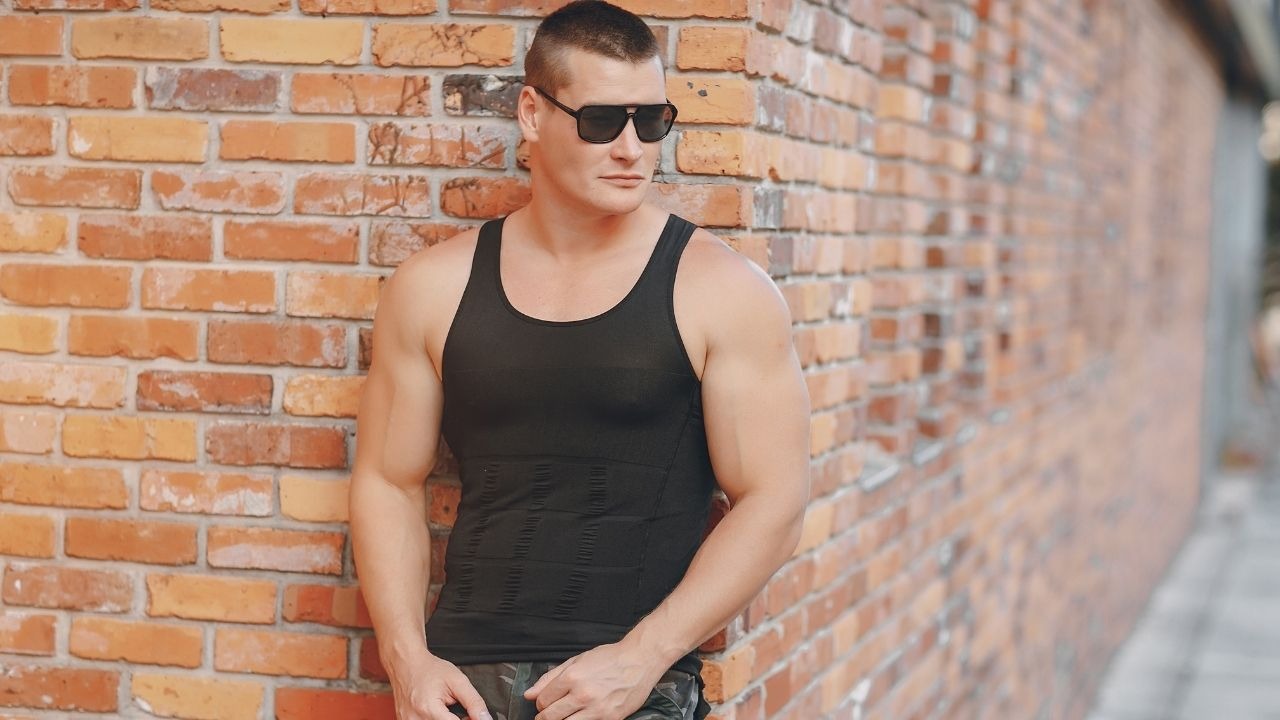

Casual style for muscular guys starts with one brutal truth most clothing brands don’t design for you. If you’ve spent years building broad shoulders, thick arms, and a tapered waist, you already know the frustration of sleeves that choke your biceps and midsections that billow like a parachute.
You’re not alone in this struggle. Research published in Clothing and Textiles Research Journal found that roughly 40% of men report significant dissatisfaction with apparel fit and sizing, a problem that hits muscular builds the hardest. Meanwhile, the global activewear market has ballooned to an estimated $440 billion in 2025, proving that millions of fitness-conscious men are hunting for clothing that actually works with their physique.
This guide breaks down everything from fabric science to wardrobe building, giving you a concrete system for looking sharp in everyday clothes without hiding your hard-earned gains.
Table of Contents
Why Standard Sizing Fails Athletic Bodies
The V-Taper Problem
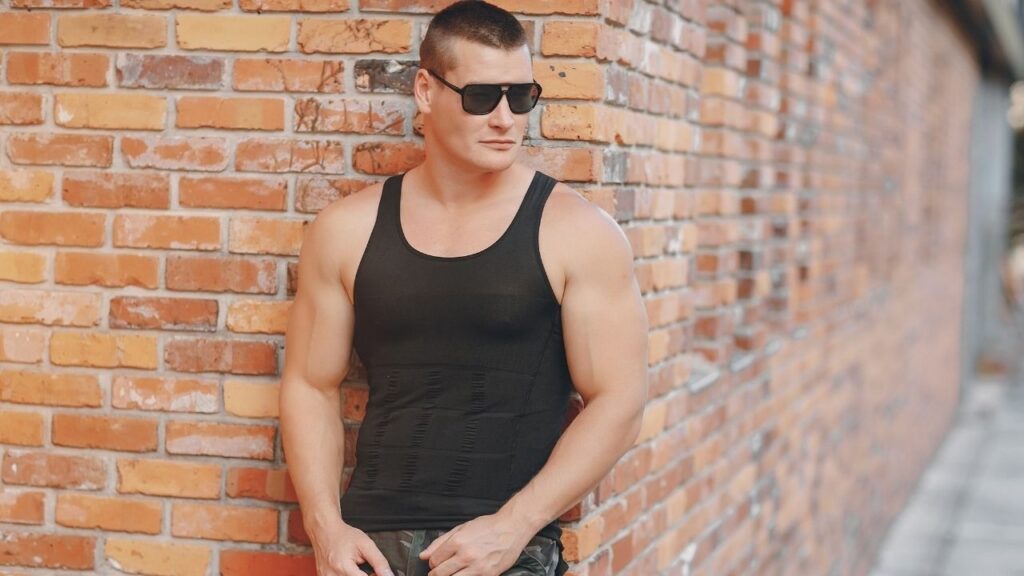
Men who train regularly develop what tailors call a “V-taper” silhouette: wide shoulders, a developed chest, and a narrow waist. Standard sizing assumes a far more uniform torso. When you size up to fit your chest and shoulders, you inherit excess fabric around the waist that makes you look sloppy.
This isn’t a minor inconvenience. As The Kavalier’s Muscular Style blog explains, most mainstream brands design for average proportions, leaving athletic men stuck between garments that are restrictive up top or shapeless around the middle. The result? Many muscular men default to oversized athletic wear because nothing else fits properly.
Legs Get Ignored Too
The fit problem extends below the waist. Developed quadriceps and glutes make standard straight-leg jeans feel like compression bandages. Athletic-taper cuts roomier through the thigh and seat but narrower at the ankle solve this, yet most men don’t know they exist.
Fit Beats Everything Else
Why a $30 Shirt Can Outshine a $300 One
An inexpensive t-shirt that follows your body’s contours will always look better than a premium piece that pulls across your chest or balloons at your waist. For muscular builds, fit is the single biggest factor in looking put-together.
Here’s the practical test: stand sideways in front of a mirror. The shirt should skim your torso without grabbing or floating. Sleeve hems should hit around mid-bicep (not higher, not at the elbow). Shoulder seams should sit exactly at your shoulder bone not an inch past it.
The Sizing-Up Trap
Buying a larger size to accommodate your upper body is the most common mistake athletic men make. A medium that’s tight in the chest with a large that’s roomy everywhere is not actually a choice it’s two bad options. The real fix involves seeking out athletic-fit or muscle-fit cuts from brands that grade their patterns differently, or investing in a tailor for wardrobe staples.
According to State and Liberty, custom-made shirts can run $150 to $200, and tailoring a standard shirt adds both cost and turnaround time. Athletic-fit brands offer a middle ground that often costs the same as regular retail.
Fabric Selection: The Detail Most Men Skip
Stretch Changes Everything
The single most important fabric property for athletic builds is stretch. Cotton blends with 2% to 5% elastane allow garments to conform to your shoulders and chest without restricting movement, then recover their shape throughout the day.
Spandex (also called elastane) can stretch up to five times its original length and snap back without losing shape. This means a well-constructed stretch shirt moves with you during normal activity reaching for a top shelf, driving, or sitting at a desk instead of pulling tight and distorting.
Fabrics to Prioritize and Avoid
Not all materials work equally well on muscular frames. Here’s a quick breakdown:
- Best choices: Jersey cotton, cotton-elastane blends (97/3 or 95/5 ratio), performance knit fabrics, and soft modal blends. These drape naturally over muscle without clinging or pulling.
- Avoid: Stiff 100% cotton oxfords, heavy denim without stretch, linen without blend fibers, and anything labeled “non-iron” or “wrinkle-free” (these tend to be rigid and unforgiving on larger upper bodies).
A 2025 industry guide from Athleisure Basics notes that everyday streetwear with 2% to 5% elastane offers better structure and wash resistance compared to pure cotton, making it ideal for daily casual wear.
Building Your Athletic Casual Wardrobe
T-Shirts: The Foundation Piece
A well-fitting t-shirt is the workhorse of any athletic man’s closet. Look for “athletic cut” or “tapered fit” options that accommodate broad shoulders and taper inward toward the waist.
Crew necks work for most builds, but V-necks can balance a larger chest by creating a vertical line that draws the eye downward. Stick to mid-weight fabrics (around 180-220 GSM) that provide enough structure to drape without clinging to every muscle.
Button-Downs That Don’t Pop Open
Casual button-down shirts are where most muscular men give up. The key specifications to look for include higher armholes (so the sleeves don’t billow), wider shoulder measurements, and a tapered body through the midsection.
Performance fabrics have transformed this category. Brands now offer dress and casual shirts with four-way stretch that sit snug across the chest and shoulders while tapering cleanly to the waist. Tailored Athlete builds their patterns from measurements taken from thousands of athletes, creating what they call a “True Muscle Fit” larger in the chest, arms, and quads, with aggressive tapering to match natural muscle contours.
Jeans and Casual Pants
Athletic-fit or athletic-taper jeans are designed with roomier thighs and a more generous seat, then taper down to a standard leg opening. This cut accommodates built legs without the baggy look of relaxed-fit denim.
Chinos and casual trousers follow similar logic. Choose options with at least 2% stretch for comfort during normal activity. Dark washes and solid colors create a cleaner line that photographs well and pairs easily with most tops.
Color Strategy for Muscular Frames
Dark Tones Create Visual Balance
A large-scale crowdsourcing study published in the Journal of Social Computing confirmed that dark clothing decreases perceived body weight the effect is statistically significant, though modest. For muscular men, this isn’t about looking smaller. It’s about creating visual cohesion so your physique looks proportional rather than top-heavy.
Navy, charcoal, deep olive, and burgundy absorb light and create a streamlined silhouette. Black works too, but monochromatic dark outfits in non-black colors tend to look more intentional and less severe in casual settings.
Monochromatic Dressing Works
Wearing a single color family from top to bottom creates an unbroken vertical line that the eye follows naturally. This elongates your frame and prevents visual “breaks” at the waist that can make a muscular torso look stocky.
You don’t need exact matches. A dark navy polo with medium-wash navy jeans, or a charcoal henley with dark grey chinos, achieves the same smoothing effect. The goal is minimal contrast between your top and bottom halves.
Layering: Your Secret Weapon
Why Layers Work on Athletic Builds
Strategic layering adds visual depth without bulk. A well-fitted overshirt, unstructured blazer, or bomber jacket over a slim t-shirt creates dimension and draws attention to the overall silhouette rather than individual muscle groups.
The key is getting the outer layer right. It should sit cleanly at the shoulders without bunching and be long enough to reach mid-hip. Avoid padding in the shoulders your frame provides all the structure the garment needs.
Best Layering Pieces for Muscular Men
Bomber jackets, denim jackets (in a size that accommodates your chest), lightweight zip-up jackets, and shackets (shirt-jackets) all work exceptionally well. Each adds a structured frame around your upper body that looks intentional rather than thrown together.
Avoid puffy insulated jackets in casual settings. They add visual volume where you already have plenty, and most aren’t cut with enough taper to flatter an athletic torso.
Style Mistakes That Sabotage Your Look
Going Too Tight
There’s a significant difference between fitted and skin-tight. Shirts that show every ab line or veins through the fabric don’t read as stylish they read as costumey. Your clothing should suggest your physique, not announce it.
A properly fitted garment follows your body’s outline with about half an inch of ease throughout. You should be able to pinch a small amount of fabric at the side seam without pulling.
Ignoring Proportions
Pairing a skin-tight shirt with skin-tight jeans makes your entire outfit look compressed. Balance is essential. If your top is fitted, let your bottoms be slightly relaxed (athletic taper, not slim). If you’re wearing looser trousers, keep the top more structured.
The Market Is Finally Catching Up
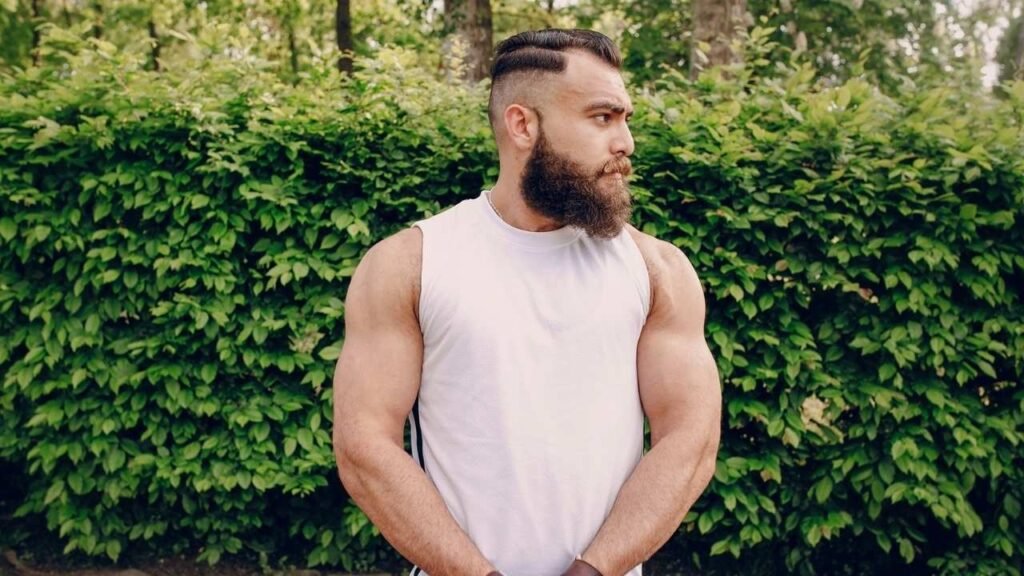
The men’s activewear segment is projected to grow at a 9.6% compound annual rate through 2033, driven partly by brands like Gymshark and Lululemon that blur the line between gym wear and everyday clothing. Meanwhile, the athleisure market reached an estimated $472 billion in 2025, reflecting a massive consumer shift toward clothing that accommodates active lifestyles.
With 77 million Americans holding gym memberships in 2024 a record high the demand for clothing that fits athletic builds is only accelerating. More brands are introducing athletic-fit lines, performance fabrics, and cuts designed specifically for men who train.
When shopping, look for terms like “athletic fit,” “muscle fit,” or “performance cut” on labels. Read reviews from buyers who mention their chest, shoulder, or thigh measurements these real-world fit reports are more useful than any brand’s size chart.
Practical Wardrobe Checklist
If you’re starting from scratch or rebuilding your casual wardrobe, prioritize these foundational pieces:
- Three to four athletic-fit t-shirts in neutral colors (black, navy, white, charcoal)
- Two pairs of athletic-taper jeans (one dark wash, one medium wash)
- One pair of stretch chinos in a versatile color (olive, khaki, or navy)
- Two casual button-downs with stretch fabric (one solid, one subtle pattern)
- One layering piece (bomber jacket, denim jacket, or unstructured blazer)
- Clean, minimalist sneakers in white or neutral tones
This capsule covers coffee dates, weekend errands, casual dinners, and most social situations without needing a wardrobe overhaul.
What is the best t-shirt fit for muscular guys?
Athletic-fit or tapered-fit t-shirts work best because they accommodate wider shoulders and chests while narrowing through the waist. Look for cotton-elastane blends with 2% to 5% stretch in the 180-220 GSM weight range for the ideal drape.
Should muscular men avoid slim-fit clothing?
Not necessarily. Slim fit works if the brand grades for athletic proportions. The issue is that most “slim fit” labels assume narrow shoulders and a straight torso. Test the fit across your chest and shoulders first if it pulls or restricts, it’s not the right cut for your build.
What colors look best on muscular body types?
Dark neutrals like navy, charcoal, olive, and black create a streamlined silhouette. Monochromatic outfits (similar tones from top to bottom) are especially flattering because they create an unbroken vertical line that prevents a top-heavy appearance.
How much should muscular men spend on tailoring?
Budget $15 to $30 per garment for basic alterations like tapering a shirt or hemming trousers. Focus tailoring on pieces you wear most daily t-shirts and casual shirts yield the biggest visual return for the money.
Are athletic-fit brands worth the extra cost?
For most muscular men, yes. Athletic-fit brands pattern their clothing for larger upper bodies and tapered waists, eliminating the excess fabric you’d get from sizing up in standard brands. The per-garment cost is often comparable to mainstream options once you factor in tailoring savings.
What fabric should muscular guys look for in casual shirts?
Cotton-elastane blends (95% cotton, 5% elastane) or performance knit fabrics provide the best combination of stretch, structure, and breathability. Avoid stiff non-stretch cottons, which restrict movement and pull visibly across developed muscles.