
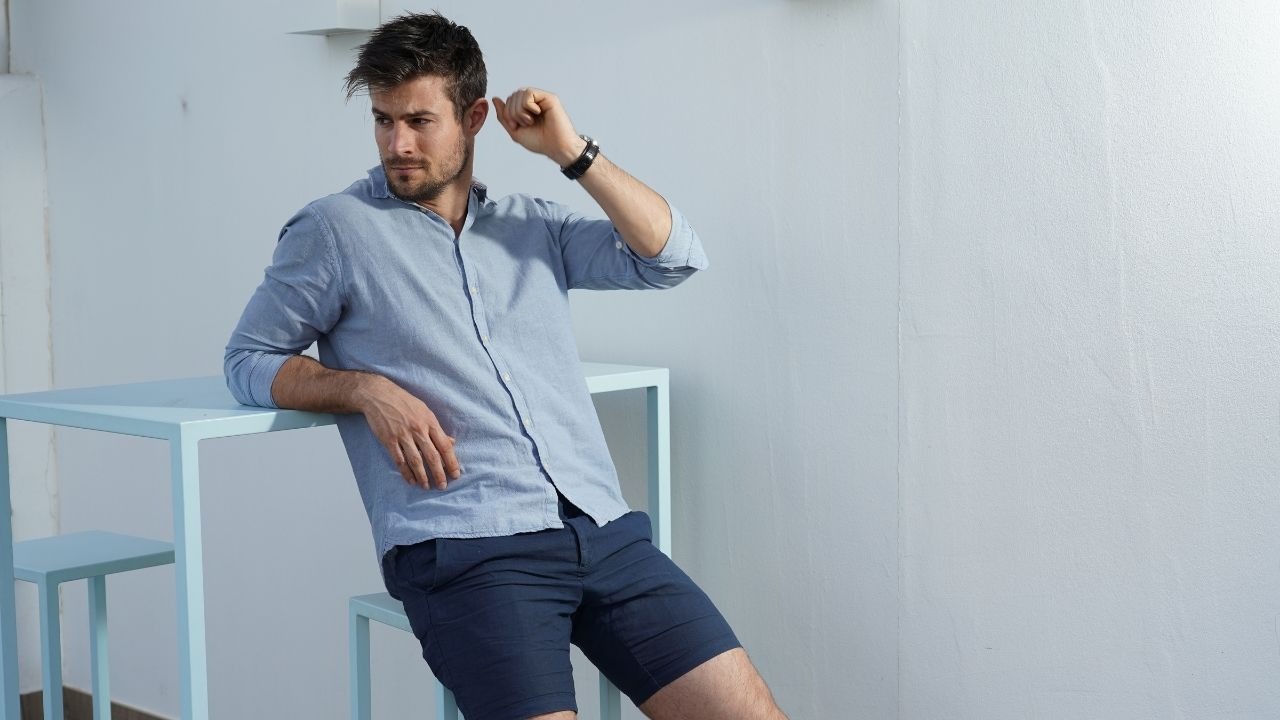

Understanding how not to dress during the warmer months is the fastest shortcut to looking polished without spending a fortune. According to the U.S. Bureau of Labor Statistics, the average American household spent over $2,000 on apparel and services in 2024, yet most people still repeat the same seasonal errors year after year.
The real issue is not a lack of money or clothing options. It is a lack of awareness. From choosing heat-trapping fabrics to misreading dress codes at outdoor events, summer styling mistakes are surprisingly common and easy to fix once you spot the pattern.
This guide walks through nine specific warm weather fashion errors backed by textile research, expert insights, and real-world data. By the end, you will know exactly what to avoid, what to reach for instead, and why each swap matters for both comfort and confidence.
Table of Contents
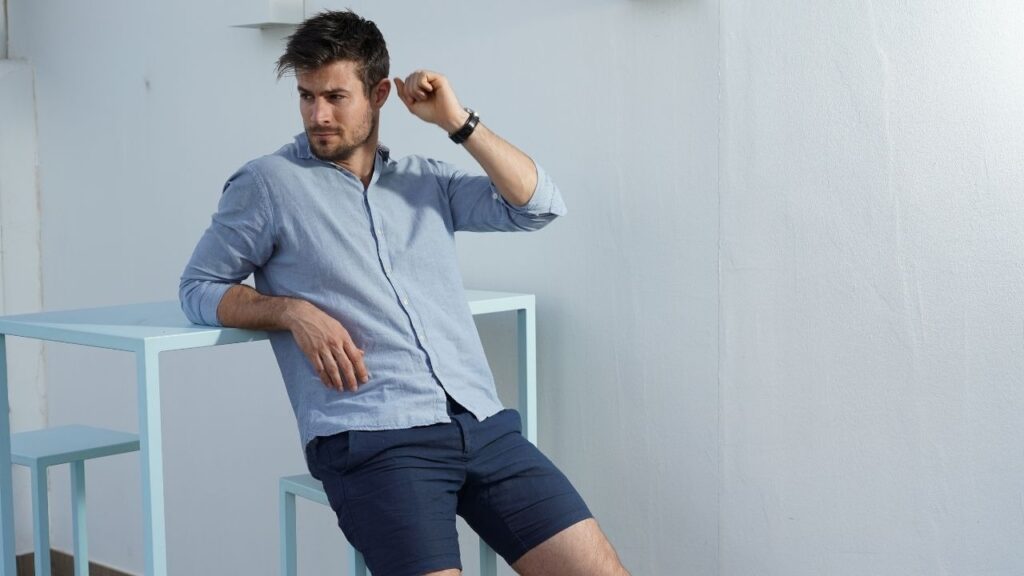
Why Summer Styling Errors Cost More Than You Realize
Poor warm weather choices affect far more than your appearance. A KPMG Consumer Pulse report found that nearly four in ten U.S. households experienced declining income in 2025, making every clothing purchase count. When you buy pieces that look wrong for the season, those items sit unused in your closet, wasting both money and space.
Beyond finances, wearing the wrong materials in extreme heat directly impacts your physical comfort and energy levels. Synthetic fabrics trap body heat, dark colors absorb sunlight, and overly tight fits restrict airflow. Each of these errors compounds throughout the day, leaving you drained by afternoon.
Confidence takes a hit, too. When you sense that your outfit feels off at a summer gathering, it subtly changes your posture, social interactions, and overall mood. Smart seasonal dressing eliminates that friction entirely.
Fabric Choices That Work Against You in Warm Weather
Why Polyester and Nylon Trap Heat
Synthetic materials like polyester, nylon, and thick denim are among the worst offenders during summer. These textiles have tightly woven structures that prevent air from circulating around your body. Instead of releasing moisture, they lock sweat against your skin and create a sticky, uncomfortable feeling within minutes of stepping outside.
According to textile researchers at Georgia Tech, the moisture vapor transport rate of synthetic blends is significantly lower than that of natural fibers. This means your body cannot efficiently cool itself through evaporation when wrapped in polyester, even if the garment feels lightweight on a hanger.
Breathable Alternatives Worth Switching To
Linen stands out as the top performer for hot and humid conditions. Research indicates that linen allows roughly 20 to 40 percent more airflow than cotton, depending on the weave. Its natural rigidity also prevents the fabric from clinging to your body, which further improves ventilation.
Cotton remains a solid everyday choice thanks to its softness and wide availability, though it absorbs moisture more slowly than linen. Chambray, a lightweight cotton weave, offers the visual appeal of denim without the weight. Rayon and Tencel are semi-synthetic options that drape beautifully and wick moisture efficiently.
| Fabric | Breathability | Moisture Wicking | Best For |
| Linen | Excellent | Very High | Outdoor events, daily wear in dry heat |
| Cotton | Good | Moderate | Everyday casual outfits, layering |
| Chambray | Good | Moderate | Smart-casual looks, office settings |
| Tencel | Very Good | High | Active wear, humid climates |
| Polyester | Poor | Low | Avoid in summer heat |
Color Mistakes That Make Hot Days Even Worse
The Science Behind Dark vs. Light Clothing
Wearing head-to-toe black in July is one of the most common warm weather fashion errors, and the science confirms why. An experiment conducted by the National Weather Service in Kansas City found that black and maroon shirts registered surface temperatures above 150°F under direct sunlight, while white garments stayed significantly cooler.
Research published on ScienceDirect confirmed that dark clothing reduces total heat loss by approximately 4.5 percent compared to lighter colors at moderate solar radiation levels. Over the course of a full day outdoors, that difference translates into noticeably higher body temperature and fatigue.
Building a Summer Color Palette That Works
Whites, soft blues, sage greens, and warm neutrals like beige and sand reflect sunlight rather than absorbing it. These shades keep you visually fresh and physically cooler without forcing you to abandon all personality in your wardrobe.
This does not mean dark tones are entirely off-limits. A navy linen shirt or charcoal shorts can work well during cooler evening hours. The key is balancing darker accent pieces with a predominantly lighter palette during peak sun hours.
Fit and Proportion Errors People Repeat Every Season
Overdressing for Casual Settings
Summer naturally calls for a relaxed approach, yet many people overdress for the occasion. Showing up to a backyard barbecue in a blazer or layering accessories at a beach gathering signals a disconnect between your outfit and the setting. A McKinsey consumer sentiment report showed that only 29 percent of consumers planned to splurge on apparel, meaning most people are shopping smarter and more intentionally than ever.
A practical rule is to dress one notch above what you expect the event requires. A clean pair of chinos with a linen button-down or a relaxed midi dress with flat sandals strikes the right balance between polished and approachable.
Ignoring the Power of Proper Fit
Oversized clothing might feel cooler, but excessively baggy garments make you look shapeless and unkempt. On the other end, skin-tight fits trap heat and restrict movement. The sweet spot is a relaxed fit that skims the body without clinging.
Fashion consultants consistently emphasize that a well-fitted basic piece will always outperform a trendy but ill-fitting alternative. Spending a few dollars on simple tailoring adjustments can transform inexpensive summer staples into outfits that look intentional.
Seasonal Footwear Blunders That Drag Down Your Entire Outfit
Footwear is one of the most overlooked areas of summer styling, and poor shoe choices can undermine an otherwise solid outfit. Wearing heavy leather dress shoes on a scorching afternoon or relying on flip-flops for every occasion from brunch to dinner are both classic missteps.
- Socks with open-toe sandals in social settings: this combination clashes with the relaxed intent of sandals and creates an awkward visual disconnect.
- Heavy boots or leather loafers at daytime outdoor events: these trap heat and look out of season, signaling that you did not plan your outfit for the weather.
- Flip-flops as your only summer footwear: while fine for the beach, wearing them to restaurants or social gatherings reads as careless.
- Ignoring worn-out or scuffed shoes: damaged footwear undercuts even the most thoughtfully assembled outfit.
- Mismatching shoe formality with the rest of the outfit: athletic sneakers with tailored shorts or dressy loafers with board shorts create visual confusion.
Investing in three versatile pairs solves most of these problems: clean white sneakers for casual days, leather or woven sandals for relaxed gatherings, and espadrilles or loafers for slightly elevated occasions.
Accessory Overload and Unnecessary Layering
Accessories should complement your outfit without weighing it down. Piling on chunky bracelets, thick belts, and oversized bags during summer adds visual bulk and physical discomfort. Similarly, unnecessary layering defeats the entire purpose of warm weather dressing. A long-sleeve shirt under a t-shirt or a decorative scarf when temperatures exceed 85°F makes the whole look feel heavy and confused.
The most effective summer accessory kit is surprisingly minimal: a quality pair of sunglasses, a simple watch, and a structured crossbody or tote. These three pieces complete most warm weather outfits without overcomplicating them.
Pro Tip: If you are spending on summer clothing in 2026, prioritize quality basics over trendy pieces. A report from Consumer Edge found that value-driven brands gained significant market share in 2025, as shoppers shifted toward pieces that offer clear quality and versatility rather than chasing fleeting trends.
Occasion-Specific Mistakes Worth Avoiding
Beach and Poolside Gatherings
The errors here go beyond swimwear. Arriving at a beach event in jeans, heavy cover-ups, or overly formal resort wear signals discomfort with the setting. Lightweight cover-ups, breathable shorts, and simple tank tops that transition easily from sand to a nearby café are the smarter choice.
Also avoid bringing accessories you are afraid to damage. Expensive watches, leather bags, and delicate jewelry do not belong near saltwater or chlorine. Opt for water-friendly alternatives that let you relax fully.
Outdoor Weddings and Garden Parties
Formal summer events require a balance between elegance and practicality that many people misjudge. Choosing wrinkle-prone fabrics for a long outdoor ceremony, wearing stiletto heels on grass, or selecting a dark heavy suit when a lighter option would work better are all avoidable errors.
Quick Checklist for Summer Event Dressing
Before heading to an outdoor event, verify that your fabric resists wrinkles, your footwear suits the terrain, your colors align with the time of day, and you have at least one sun-protection accessory like a stylish hat or quality sunglasses.
Expert-Backed Principles for a Smarter Summer Wardrobe
Professional image consultants and stylists converge on several core principles. First, always prioritize fit over trend. No amount of trend-chasing compensates for garments that do not suit your body. Second, plan outfits the night before. Morning rushing leads to poor combinations and forgotten accessories.
Third, build a capsule wardrobe of quality basics: neutral-toned shorts, breathable button-downs, versatile sundresses, and reliable sandals. These pieces mix and match effortlessly, reducing decision fatigue and ensuring you always have a solid option ready.
Finally, remember that how not to dress awareness is a skill that improves with each season. New trends and weather challenges emerge every year, and staying open to small adjustments keeps your warm weather wardrobe consistently strong.

Wrapping Up: Make Every Summer Outfit Count
Great summer styling is not about expensive purchases or chasing every trend. It comes down to thoughtful decisions about fabric, color, fit, and occasion awareness. Each of the nine mistakes covered in this guide is straightforward to fix once you recognize what is going wrong.
Choosing breathable materials like linen and cotton, favoring lighter shades during peak sun hours, investing in versatile footwear, and keeping accessories minimal will transform your seasonal wardrobe with relatively little effort or expense. Comfort and style are not opposites they are partners when you make intentional choices.
Step into this summer with clarity, confidence, and a wardrobe that genuinely works for the way you live. The difference between looking polished and looking out of place often comes down to a handful of small, smart decisions.
What is the single biggest summer styling mistake most people make?
Choosing the wrong fabric. Wearing synthetic materials like polyester in extreme heat traps moisture against your skin and overheats your body far faster than natural alternatives. Switching to linen or lightweight cotton is the simplest upgrade with the biggest impact.
Can I still wear dark colors during summer?
Yes, but with balance. Reserve darker shades like navy or charcoal for evening outings or as accent pieces. During peak daytime hours, lighter colors reflect sunlight and keep your body temperature noticeably lower.
Is linen really better than cotton for hot weather?
For extreme heat and humidity, yes. Research shows linen allows 20 to 40 percent more airflow than cotton and wicks moisture away from the body faster. However, cotton is softer, more affordable, and easier to maintain, making it excellent for milder summer days.
What footwear should I avoid in summer?
Avoid heavy leather boots, closed-toe dress shoes during daytime heat, and flip-flops as your sole footwear option. A rotation of clean white sneakers, woven sandals, and espadrilles covers nearly every summer occasion.
What are the essential pieces for a summer capsule wardrobe?
Focus on neutral-toned shorts, two to three breathable button-down shirts in linen or chambray, a couple of quality t-shirts, one versatile sundress or smart-casual outfit, and three pairs of appropriate footwear. These pieces mix and match for nearly any summer scenario.
Does clothing fit affect body temperature in summer?
Absolutely. Tight clothing traps heat and prevents the evaporation that naturally cools your skin. Loose or relaxed-fit garments allow air to circulate around your body, making a tangible difference in comfort during hot weather.