
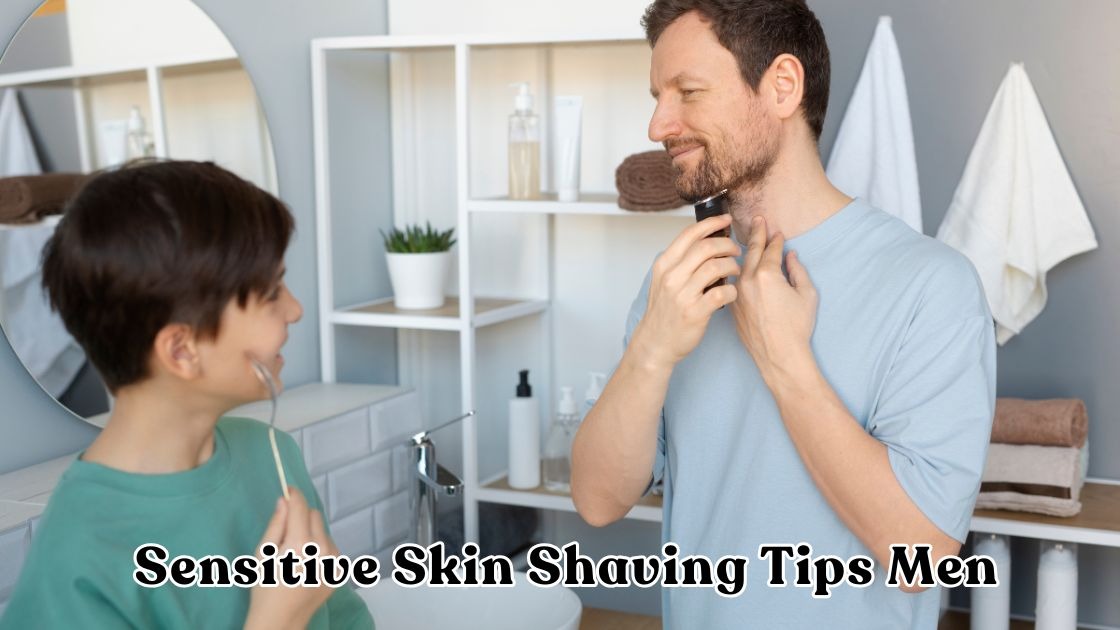

If you have been searching for reliable sensitive skin shaving tips for men can actually use without getting razor burn, redness, or painful bumps, you are in the right place. The short answer is this: a comfortable shave starts with proper skin preparation, the right razor, and a gentle technique that respects your skin’s natural barrier.
You are not alone in dealing with this frustration. According to a 2019 review published in Frontiers in Medicine, roughly 50% to 60% of men report having some degree of sensitive skin. That means over half of all men who shave daily are fighting irritation every single morning. Yet most grooming guides skip the specific adjustments that reactive skin truly needs.
This guide covers everything from pre shave preparation and razor selection to shaving technique and soothing aftercare, all backed by dermatologist recommendations and published research. By the time you finish reading, you will have a complete routine built for men with easily irritated, reactive, or delicate facial skin.
Table of Contents
Why Does Shaving Irritate Sensitive Skin So Easily?
Shaving irritates sensitive skin because the process drags a sharp blade across a weakened skin barrier, stripping away moisture and protective oils along with facial hair. For men whose skin already struggles to retain hydration, this mechanical friction triggers redness, stinging, and inflammation almost immediately.
According to grooming research from Razor Den, sensitive skin reacts more intensely to environmental factors, products, and mechanical stress like shaving, often because the skin’s barrier function is compromised. This means your face loses moisture faster and becomes inflamed more easily than someone with a resilient complexion.
Several factors make the problem worse:
- Dull or dirty razor blades that tug at hair instead of cutting it cleanly
- Shaving against the grain, which pulls follicles and encourages ingrown hairs
- Harsh chemical ingredients in shaving creams, foams, or aftershaves containing alcohol, menthol, or artificial fragrance
- Skipping pre shave prep, which leaves dry, stiff facial hair harder to cut
- Underlying conditions such as eczema, rosacea, or contact dermatitis that amplify razor sensitivity
New York City dermatologist Dr. Jeremy Fenton of Schweiger Dermatology Group explains that razor burn is essentially skin irritation from shaving, and while it is not dangerous on its own, it can create longstanding, chronic skin conditions if left unmanaged.
Understanding why your skin reacts this way is the first step. Now let’s fix the routine that is causing the damage.
Step 1: Pre Shave Preparation for Sensitive Facial Skin
The most important sensitive skin shaving tip for men is this: never touch a razor to unprepared skin. Proper preparation softens your facial hair, opens pores, and creates a smoother surface for the blade to glide across.
Cleanse with a gentle, fragrance free face wash. Removing dirt, excess oil, and bacteria reduces the chance of clogged pores and post shave breakouts. Avoid cleansers with sulfates or strong exfoliating acids before you shave.
Hydrate with warm water for two to three minutes. Dermatologist Jeffrey Benabio, M.D., Physician Director of Healthcare Transformation at Kaiser Permanente, notes in Men’s Journal that warm water softens the hairs and dilates the pores, helping the blade cut more easily and reducing the pulling that causes irritation. The easiest way to do this is to shave right at the end of a warm shower.
Exfoliate gently two to three times per week (not every shave). According to the American Academy of Dermatology, regular gentle exfoliation can reduce the risk of ingrown hairs and irritation. A mild scrub or a soft washcloth removes dead skin cells that would otherwise clog your blade and create drag. Just avoid exfoliating on the same day you shave if your skin is extremely reactive.
Apply a pre shave oil or hydrating balm. A thin layer of pre shave oil creates a protective barrier between the blade and your skin. Look for formulas with jojoba oil, vitamin E, or argan oil, which lubricate without clogging pores.
Step 2: Choosing the Right Razor for Reactive Skin
Your razor choice can make or break your shave. Many men assume that more blades equal a closer, better result. The reality is quite different when sensitive skin is involved.
According to Dermatology of Connecticut, dermatologists caution that razors with multiple blades can actually increase friction, leading to more irritation, razor burn, and ingrown hairs, and that men with sensitive skin often benefit from a single blade razor or one with fewer blades. Schweiger Dermatology Group similarly recommends limiting yourself to two or three blades if your skin is prone to irritation.
Here is a quick comparison to help you decide:
| Razor Type | Best For | Sensitive Skin Rating |
| Single blade safety razor | Maximum control, minimal irritation | Excellent |
| Double blade cartridge | Balance of closeness and comfort | Good |
| 5+ blade cartridge | Convenience on normal skin | Poor for sensitive skin |
| Electric foil shaver | Quick trims, less direct contact | Good (varies by model) |
The American Academy of Dermatology (AAD) advises replacing blades or discarding disposable razors after five to seven shaves to minimize irritation, and storing your razor in a dry spot between uses to prevent bacterial buildup. If your blade feels like it is dragging or pulling even slightly, swap it out immediately. A fresh, sharp edge slices through stubble cleanly, while a dull one tears at the hair shaft and scrapes the surface of your skin.
Step 3: Mastering Your Shaving Technique
Even the best razor and pre shave routine will fail if your stroke technique is wrong. For men with sensitive, easily irritated skin, how you move the blade matters just as much as what you put on your face before and after.
Always shave in the direction your hair grows. This is called shaving “with the grain.” The American Academy of Dermatology (AAD) recommends figuring out which direction your facial hair grows and shaving with it, not against it, to prevent razor bumps and irritation. Run your fingers along your jawline, cheeks, and neck. The direction that feels smooth is the direction of growth, and that is the path your razor should follow.
Use light, short strokes and let the blade do the work. Pressing hard does not give you a closer shave. It only increases friction and raises the risk of nicks, micro cuts, and raw patches. Think of it as gliding the razor across the surface rather than pushing it into your skin.
Rinse the blade after every two to three strokes. As noted in Men’s Journal, hair, cream, and dead skin cells build up quickly between the blades, which hinders smooth gliding and can trigger a rash. A quick rinse under warm running water clears the buildup and keeps each pass clean and efficient.
Avoid going over the same spot more than once. Repeated passes strip away more of your skin’s protective layer with each stroke. If you missed a patch, reapply a small amount of shaving cream before making a second gentle pass.
Step 4: Best Shaving Cream Ingredients for Men With Sensitive Skin
The product you lather on your face acts as a shield between the blade and your skin. Choosing the wrong one can cause just as much damage as a dull razor.
Ingredients to look for:
- Aloe vera for natural soothing and anti inflammatory protection
- Glycerin to lock in moisture and create a slick surface
- Shea butter or jojoba oil for deep hydration and reduced friction
- Oat extract (colloidal oatmeal) to calm itching and redness
- Vitamin E for antioxidant protection and skin repair
Ingredients to avoid:
- Alcohol (listed as denatured alcohol or ethanol), which strips moisture and stings reactive skin
- Artificial fragrance or parfum, a common trigger for contact dermatitis
- Menthol and peppermint, which create a cooling sensation but can inflame delicate skin
- Sodium lauryl sulfate (SLS), a harsh foaming agent that disrupts the skin barrier
Board certified dermatologist Dr. Yoram Harth advises in MDacne that men with sensitive skin should avoid astringents like alcohol, witch hazel, menthol, and peppermint in their shaving products, as these ingredients can trigger heightened irritation.
As a general rule, opt for non foaming, fragrance free shaving creams or shaving soaps over aerosol cans. Canned foams are convenient, but they frequently contain drying chemicals that reactive skin does not tolerate well.
Step 5: Post Shave Aftercare and Soothing Routine
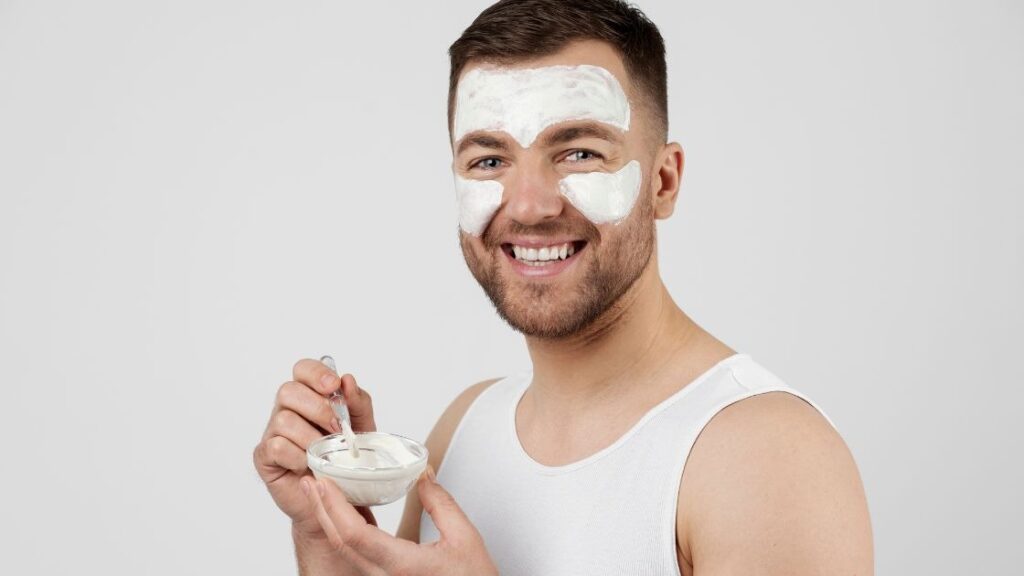
What you do in the two minutes after your last razor stroke determines whether your skin stays calm or erupts in redness. A proper aftercare routine seals in moisture, reduces inflammation, and helps your skin recover from the mechanical stress of shaving.
Rinse with cool water immediately after finishing. Cool water helps constrict the pores and reduces surface inflammation. Avoid hot water at this stage, as it can intensify redness and stinging.
Pat dry with a clean, soft towel. Rubbing creates friction on freshly shaved skin, which is the last thing reactive skin needs. Gentle patting absorbs moisture without aggravating the surface.
Apply an alcohol free aftershave balm or moisturizer. Look for balms containing ceramides, hyaluronic acid, or centella asiatica (cica), all of which support barrier repair and lock in hydration. Dermatology San Antonio recommends applying moisturizer immediately after shaving while the skin is still slightly damp for optimal absorption and results.
Use SPF protection every morning. Cleveland Clinic dermatologist Dr. Shilpi Khetarpal notes that shaving makes your skin more sensitive to the sun, and recommends using a broad spectrum sunscreen with SPF 30 or higher on freshly shaved skin. A lightweight, mineral based sunscreen works best for men with reactive complexions.
Common Mistakes Men With Sensitive Skin Should Avoid
Even experienced shavers fall into habits that worsen irritation over time. Here are the most frequent errors to watch for:
- Dry shaving or using soap instead of shaving cream. Dr. Jeremy Fenton of Schweiger Dermatology Group warns that soap dries the skin out, which is the opposite of what you need during a shave, and suggests using conditioner as a substitute if shaving cream is unavailable.
- Leaving your razor in the shower. Moisture breeds bacteria on the blade, which can cause post shave infections and breakouts.
- Shaving too frequently without rest days. If your skin is flaring up, skip a day or two and let it recover before picking up the razor again.
- Using heavily fragranced aftershaves. That classic burning splash might feel masculine, but it is one of the fastest ways to trigger inflammation on sensitive skin.
- Ignoring persistent irritation. VitalSkin Dermatology advises men who experience ongoing shaving related skin problems to consult a board certified dermatologist for a personalized routine, as conditions like pseudofolliculitis barbae or rosacea may require medical treatment.
Topical Range: Related Grooming Topics for Men With Sensitive Skin
Shaving is just one part of a broader grooming routine. If your skin reacts to razors, you may also benefit from exploring these connected topics:
Choosing the right facial cleanser for reactive male skin, building a simple moisturizing routine for men prone to dryness and flaking, understanding the difference between razor burn, razor bumps, and ingrown hairs, exploring electric shaver options as a lower irritation alternative, and evaluating whether laser hair removal could be a long term solution for chronic shaving discomfort. Each of these subjects connects directly to the core problem of managing facial sensitivity, and addressing them together gives you a more complete approach to skin health.
Conclusion: Build a Shaving Routine That Works With Your Skin, Not Against It
Getting a clean, comfortable shave with sensitive skin is absolutely possible once you stop fighting your skin and start working with it. The key takeaways from these sensitive skin shaving tips for men are straightforward: prepare your face with warm water and gentle cleansing, choose a razor with fewer blades and replace it often, shave with the grain using light pressure, pick fragrance free and alcohol free products, and finish with a soothing moisturizer and sun protection.
With research showing that over half of all men experience some level of skin sensitivity, there is no reason to treat this as a rare problem. A few small adjustments to your morning routine can eliminate the redness, stinging, and bumps that have likely followed you for years.
Try implementing just one or two of these changes this week and see how your skin responds. If you found this guide helpful, share it with a friend who struggles with post shave irritation, or drop a comment below with the tip that made the biggest difference for you.
Frequently Asked Questions
What is the best way to shave with sensitive skin? The best approach is to shave right after a warm shower, use a sharp single or double blade razor, apply a fragrance free shaving cream, and always stroke in the direction your hair grows. Finish by rinsing with cool water and applying an alcohol free moisturizing balm.
How often should men with sensitive skin shave? Most dermatologists suggest shaving every two to three days rather than daily if your skin is highly reactive. Giving your face a rest day between shaves allows the skin barrier to recover and reduces cumulative irritation.
Does shaving cream or shaving gel work better for sensitive skin? Fragrance free shaving creams, particularly non foaming formulas, tend to work better for sensitive skin than gels or aerosol foams. Creams provide a thicker cushion between the blade and skin, and they typically contain fewer harsh surfactants that strip natural moisture.
Can an electric razor reduce irritation for sensitive skin? Yes, electric foil razors can be a good alternative because they do not make direct blade to skin contact the way manual razors do. However, results vary by model and individual skin type, so it may take some trial and error to find one that works for you.
What ingredient should I avoid in aftershave if I have sensitive skin? Alcohol is the number one ingredient to avoid. Denatured alcohol, ethanol, and witch hazel can all sting, dry out, and further inflame reactive skin immediately after shaving. Choose balms with aloe vera, ceramides, or hyaluronic acid instead.
When should I see a dermatologist about shaving irritation? If you consistently experience razor bumps, persistent redness, or painful ingrown hairs despite following proper technique, it is time to book an appointment. A dermatologist can evaluate whether an underlying condition like pseudofolliculitis barbae or rosacea is contributing to the problem and recommend targeted treatments.