
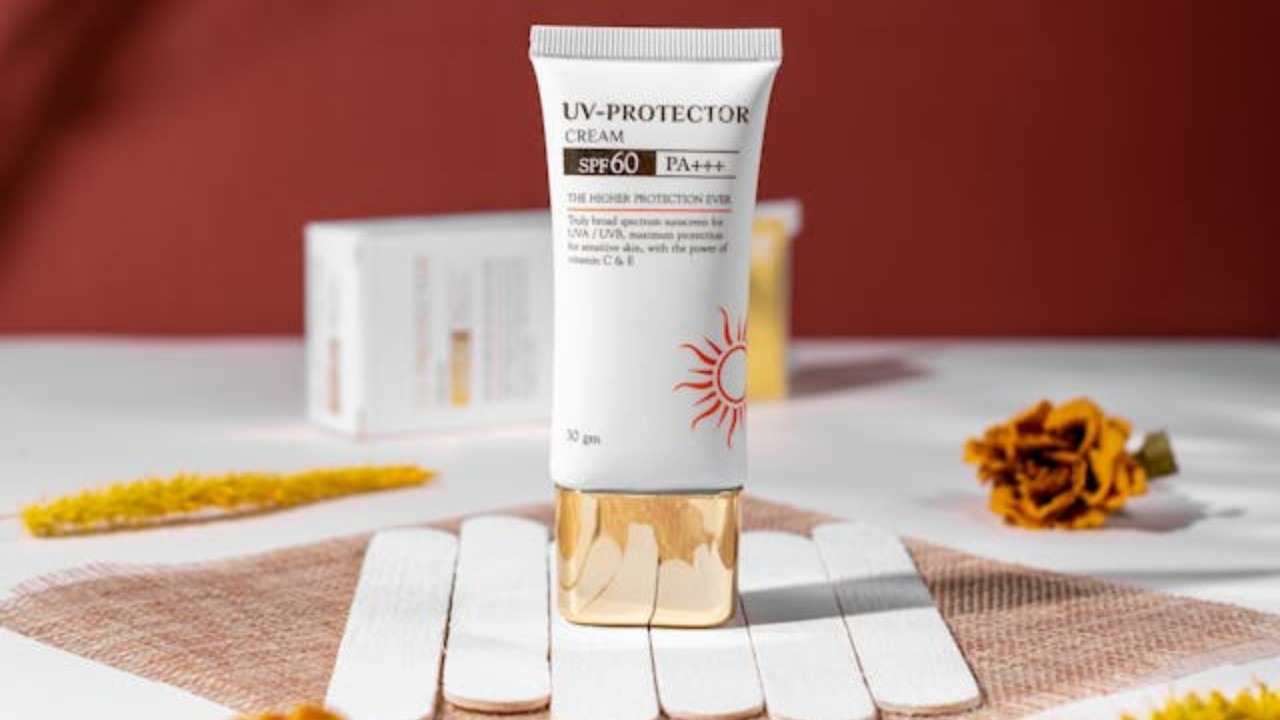

Choosing the right sunscreen for men combination skin comes down to one thing: finding a formula that controls oil in your T zone without stripping moisture from your cheeks. The short answer is to look for a lightweight, non comedogenic, broad spectrum SPF 30 or higher sunscreen that contains niacinamide or hyaluronic acid. These ingredients regulate sebum in oily areas while keeping dry patches hydrated.
Most guys either grab whatever bottle is closest or skip SPF entirely because every product they have tried left them greasy, flaky, or both. That cycle ends here. This guide walks you through exactly which formulas work, why they work, and how to apply them so your skin stays protected and balanced all day.
Table of Contents
What Is Combination Skin and Why Do So Many Men Have It?
Combination skin means two or more skin types exist on your face at the same time. The most common pattern is an oily forehead, nose, and chin paired with normal to dry cheeks and jawline.
This happens because the T zone contains a higher concentration of sebaceous glands that produce more oil. Testosterone amplifies this effect, which is why combination skin shows up more frequently in men than in women.
According to the American Academy of Dermatology, understanding your specific skin type is the foundation of building a routine that actually works. If you have been using products meant purely for oily or purely for dry skin, you may be making your imbalance worse without realizing it.
How to Confirm You Have Combination Skin
Try this simple at home test. Wash your face with a gentle cleanser, pat dry, and wait 30 minutes without applying anything. Then check:
- Forehead, nose, and chin look shiny or feel slick — that is your oily T zone
- Cheeks feel tight, rough, or slightly flaky — those are your dry zones
- Some areas feel normal while others are clearly oily or dry — classic combination pattern
If oil appears everywhere, you likely have oily skin. If tightness dominates your entire face, dry skin is more probable. But if you see a clear split between zones, combination skin is what you are working with.
Why Daily Sunscreen Matters More Than You Think for Combination Skin
Skipping sunscreen does not just raise your risk of sunburn. For combination skin specifically, unprotected UV exposure triggers excess sebum production in oily zones while pulling moisture out of dry areas. Over time, this widens the gap between your two skin types and makes the imbalance harder to manage.
The Skin Cancer Foundation states that UV radiation is responsible for up to 90% of visible skin aging, including wrinkles, dark spots, and loss of firmness. The American Cancer Society projects that roughly 60,550 men will receive a melanoma diagnosis in 2025, compared to about 44,410 women. Men face higher rates largely because they are less consistent with daily sun protection.
Even on overcast days, research published in the Journal of the American Academy of Dermatology indicates that up to 80% of UV rays pass through cloud cover. UVA rays, the ones that cause deep skin aging, also penetrate window glass during your commute and office hours.
The Role of SPF and Broad Spectrum Protection
SPF stands for Sun Protection Factor and measures how effectively a product shields your skin from UVB rays. The AAD recommends SPF 30 as the minimum for daily use, which blocks approximately 97% of UVB radiation. SPF 50 blocks roughly 98%.
However, SPF alone is not enough. You need the label to say “broad spectrum,” which confirms the product also guards against UVA rays. UVB rays burn the surface and drive skin cancer risk. UVA rays penetrate deeper, breaking down collagen and accelerating aging. A sunscreen that only covers one type leaves your skin partially exposed.
What to Look for in Sunscreen for Men Combination Skin
The ideal sunscreen for combination skin must solve two problems at once: mattify the T zone and moisturize the cheeks without clogging pores anywhere.
Texture and Finish
Heavy cream based sunscreens sit on the surface, attract dirt, and block pores within hours. Instead, prioritize gel based, fluid, or water based formulas that absorb quickly. These textures leave a matte or semi matte finish that works across both oily and dry zones without feeling heavy.
Key Ingredients That Pull Double Duty
Not all sunscreen ingredients are equal when your face has competing needs. These are the ones that matter most:
- Niacinamide (Vitamin B3) — Regulates oil production in greasy areas, strengthens the skin barrier in dry patches, and evens out skin tone over time
- Hyaluronic Acid — Draws moisture into the skin without adding oil, keeping dry cheeks hydrated while staying lightweight on the T zone
- Zinc Oxide — Provides broad spectrum UV protection with natural oil absorbing and anti inflammatory properties
- Ceramides — Restore and maintain the skin’s protective barrier, especially beneficial for dry and sensitive zones
Ingredients to Avoid
Certain ingredients actively work against combination skin. Steer clear of heavily fragranced formulas that can irritate dry patches. Avoid high concentrations of denatured alcohol, which strips moisture from cheeks while triggering rebound oil production on the forehead. Thick, old school mineral formulas without modern microfine particle technology tend to leave a chalky white cast and feel uncomfortable throughout the day.
Chemical vs. Mineral vs. Hybrid Sunscreen: Which Type Suits Combination Skin?
The best sunscreen type for men with combination skin depends on your sensitivity level and finish preference. Chemical sunscreens feel lighter and absorb invisibly, mineral sunscreens are gentler on reactive skin, and hybrid formulas offer the benefits of both.
Chemical Sunscreen
Chemical filters like avobenzone and homosalate absorb UV rays and convert them into heat. These formulas tend to be thinner, spread easily, and leave zero white cast. For combination skin, the lightweight texture makes them comfortable across both oily and dry zones. The drawback is that some chemical filters may irritate sensitive or acne prone skin.
Mineral Sunscreen
Mineral sunscreens use zinc oxide or titanium dioxide to physically block UV rays on the skin’s surface. They start working immediately without a 15 minute absorption wait. Modern micronized versions have largely solved the old chalky residue problem. If your combination skin leans toward sensitivity, mineral options are usually the safest pick.
Hybrid Sunscreen
Hybrid formulas blend chemical and mineral filters together. This gives you the invisible finish of chemical sunscreens with the gentle, broad spectrum reliability of mineral ones. Many dermatologist recommended products for combination skin now fall into this category.
How to Apply Sunscreen Correctly on Combination Skin

Proper application is just as important as choosing the right product. Even a premium SPF underperforms when applied incorrectly.
- Cleanse first — Wash your face with a gentle cleanser to remove overnight oil and debris
- Moisturize dry zones — Apply a thin layer of oil free moisturizer on cheeks and jawline before sunscreen (skip this if using a 2 in 1 SPF moisturizer)
- Use the right amount — A nickel sized dollop covers your face and neck. The AAD notes that most people apply only 25% to 50% of what they need, which cuts actual protection dramatically
- Blend gently upward — Dot the product across your forehead, nose, cheeks, chin, and neck, then blend with light upward strokes
- Reapply every two hours — This is the step most men skip. If you are outdoors, reapply after two hours or immediately after sweating
Pro tip: If your T zone gets excessively oily by midday, try applying a mattifying formula on your forehead and nose while using a more hydrating option on your cheeks. Dermatologists sometimes call this “multi zone SPF application,” and it is one of the most effective strategies for stubborn combination skin.
5 Common Sunscreen Mistakes Men Make
Avoiding these errors will significantly improve how well your sunscreen actually protects you.
- Applying too little — Using less than a nickel sized amount can reduce your SPF protection by more than half
- Skipping cloudy days — A study cited by the Skin Cancer Foundation confirms that up to 80% of UV rays penetrate cloud cover
- Using body sunscreen on the face — Body formulas are thicker and contain pore clogging ingredients that trigger facial breakouts
- Forgetting the neck and ears — These areas are among the most common sites for sun damage yet consistently overlooked
- Depending on SPF in moisturizer alone — Most men apply moisturizer too thinly to reach the labeled SPF level, leaving skin partially unprotected
Simple Morning Routine for Men With Combination Skin
A complete routine takes under three minutes and only requires three steps.
| Step | Product | Time |
| 1 | Gentle cleanser | 30 seconds |
| 2 | Lightweight moisturizer on dry zones | 30 seconds |
| 3 | Broad spectrum sunscreen SPF 30+ | 60 seconds |
Consistency with this basic routine delivers better results than occasional use of expensive serums or treatments. The sunscreen step alone accounts for the majority of long term skin health benefits.
Conclusion
Finding the right sunscreen for men combination skin is not about buying the most expensive product on the shelf. It is about matching the formula to your skin’s specific needs. Prioritize lightweight, non comedogenic, broad spectrum options that contain balancing ingredients like niacinamide or hyaluronic acid. Apply the correct amount, reapply consistently, and your skin will look healthier, clearer, and more even within weeks.
Sun protection is the single most effective anti aging habit any man can adopt. The best time to start was years ago. The second best time is today.
If this guide helped you find the right SPF, share it with a friend who is still using body sunscreen on his face. Have a product recommendation or question? Drop it in the comments below.
Can I use the same sunscreen on both oily and dry parts of my face?
Yes, as long as you choose a formula designed for combination skin. Look for non comedogenic, oil free sunscreens with niacinamide or hyaluronic acid that balance both zones. If your skin extremes are severe, applying different formulas to different zones works even better.
Is SPF 30 enough for daily protection?
TheAmerican Academy of Dermatology recommends SPF 30 as the daily minimum, which blocks about 97% of UVB rays. SPF 50 offers marginally more coverage at 98%. The most important factor is applying the full recommended amount and reapplying every two hours outdoors.
Are mineral or chemical sunscreens better for combination skin?
Both types work well depending on your preferences. Chemical sunscreens feel lighter and blend invisibly, while mineral sunscreens are gentler and less likely to cause breakouts. Hybrid formulas that combine both filter types often provide the best overall balance for combination skin.
Does sunscreen cause acne or breakouts in men?
The wrong sunscreen can clog pores and trigger breakouts, but this is almost always caused by comedogenic ingredients, heavy textures, or added fragrance. Choosing a non comedogenic, oil free formula specifically made for acne prone or combination skin eliminates this problem for most men.
Should I wear sunscreen if I have a beard?
Absolutely. Apply sunscreen to all exposed skin around and beneath thinner beards. For full, dense beards, focus coverage on exposed areas like the forehead, nose, cheekbones, ears, and neck. The hair provides partial natural shielding, but exposed zones still require proper protection.
How do I stop my sunscreen from pilling or balling up?
Pilling typically happens when sunscreen layers over incompatible skincare products. Allow 60 seconds between your moisturizer and sunscreen so each layer absorbs properly. Use gentle patting motions instead of rubbing back and forth. Switching to a gel or fluid texture formula also reduces pilling significantly.