
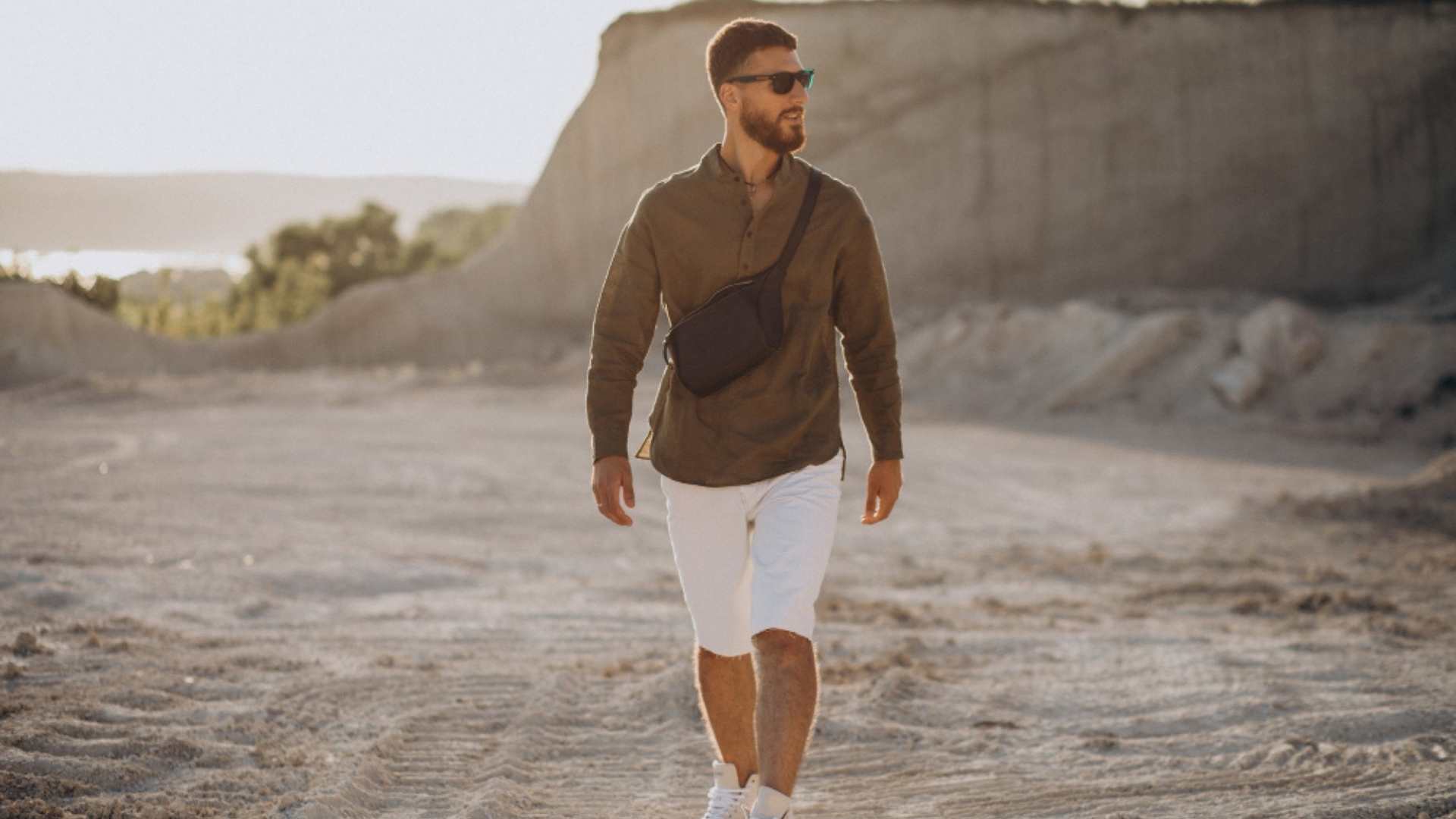

Relaxed outfits for men have become one of the fastest-growing segments in the global apparel industry, driven by shifting workplace norms, rising health consciousness, and a genuine desire for clothing that feels as good as it looks. According to Fortune Business Insights, the global menswear market reached approximately $676.6 billion in 2025 and is projected to surpass $1.2 trillion by 2034, with casual wear commanding nearly 48% of total demand.
This guide walks you through everything you need to know about building a comfortable, versatile wardrobe. From choosing the right fabrics and mastering fit to understanding the different categories of laid-back menswear, every section is designed to help you dress with confidence and ease.
Table of Contents
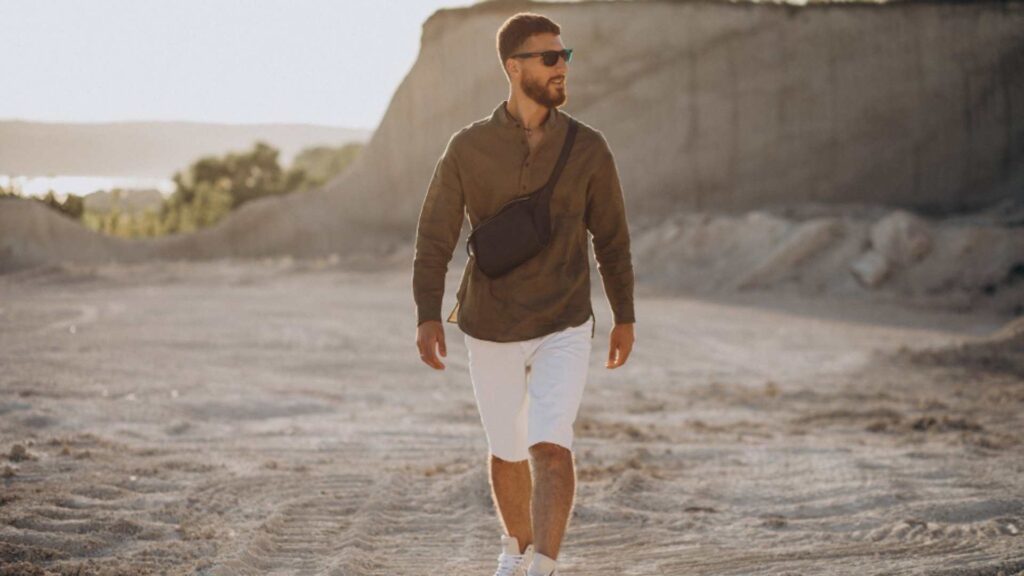
Why Comfortable Men’s Fashion Is Dominating the Industry
The rise of remote and hybrid work has fundamentally changed what men wear every day. When your commute is from the bedroom to the home office, stiff collars and structured blazers no longer make sense. Men are actively choosing soft, breathable garments that allow them to move between work calls, errands, and social plans without needing a full wardrobe change.
This shift is backed by hard numbers. The global athleisure market alone was valued at $368.61 billion in 2025, according to Fortune Business Insights, with projections showing a 9.7% compound annual growth rate through 2034. Meanwhile, a GWI consumer study found that weekly athleisure wearers are only 6% more likely to play sports than average consumers, confirming this movement is about lifestyle, not just fitness.
The Casualization of Men’s Wardrobes
Major fashion houses and everyday brands have noticed. LVMH’s menswear division reported 11% organic growth in 2025, largely fueled by demand for premium casual pieces, as noted by Mordor Intelligence. Brands like Uniqlo, Zara, and Nike are investing heavily in stretch-fabric innovations, performance blends, and casual silhouettes that cater to the modern man’s preference for versatility.
The European Union’s Ecodesign for Sustainable Products Regulation, effective in 2026, further encourages brands to produce durable, multifunctional garments. This means the laid-back clothing you buy today is increasingly built to last, making your investment smarter and more sustainable.
Choosing the Right Fabrics for Everyday Comfort
Fabric quality is the single most important factor separating great casual menswear from forgettable pieces. No amount of clever design can overcome cheap, scratchy, or poorly constructed material. The right fabric breathes with you, resists wrinkling, and holds its shape wash after wash.
Best Fabrics for Laid-Back Men’s Clothing
Organic Cotton
Cotton remains the king of casual wear. According to IMARC Group, cotton accounted for over 44% of menswear revenue in 2025, thanks to its breathability and skin-friendly properties. Organic cotton elevates this further by avoiding pesticide residues and offering a softer hand-feel.
Linen
For warmer climates, linen is unmatched. Its naturally loose weave allows exceptional airflow, making it perfect for summer shirts, unstructured blazers, and wide-leg trousers. The deliberate wrinkles in linen add character rather than sloppiness when styled correctly.
Performance Blends and French Terry
Polyester-cotton blends and French terry fabrics offer the best of both worlds. Polyester dries three times faster than pure cotton, resists wrinkles, and costs 30–40% less per kilogram, as highlighted by Mordor Intelligence’s market analysis. French terry, with its looped interior, provides warmth and cushioning without bulk.
Bamboo and Tencel
These emerging eco-friendly materials are gaining popularity among men who want sustainability without sacrificing softness. Bamboo is naturally antimicrobial, while Tencel (lyocell) drapes beautifully and absorbs moisture effectively.
Mastering the Art of Fit Without Sacrificing Comfort
The biggest misconception about casual men’s clothing is that “relaxed” means “baggy.” In reality, a sloppy silhouette can make even expensive clothes look cheap. The goal is intentional drape, which means pieces that hang naturally off your body without clinging or swimming.
Key Fit Principles for Easygoing Men’s Style
Shoulder seams should sit at or just past your natural shoulder line. Slightly oversized tees work when the shoulders are correct, even if the body is roomy. For trousers, straight-leg and wide-leg cuts offer freedom of movement while maintaining a clean shape. Avoid excess pooling at the ankles, as a clean break or a slight crop instantly sharpens the look.
Unstructured blazers, those without internal padding, offer a polished silhouette without the rigidity of traditional tailoring. They pair effortlessly with chinos, joggers, or even well-fitting denim for occasions that call for a step above pure casual.
The Role of Proportions
When your top is loose, keep the bottom slightly more fitted, and vice versa. This balance prevents the outfit from looking shapeless. A roomy crew-neck sweater tucked into tapered chinos, for example, creates visual interest through contrasting volumes.
Categories of Laid-Back Menswear You Should Know
Casual Streetwear
Oversized hoodies, graphic tees, joggers, and chunky sneakers define this accessible category. It is the easiest entry point for anyone exploring comfortable men’s fashion. Streetwear brands often combine bold visual designs with ultra-soft fabrics, making these pieces ideal for weekends, travel, and low-key social gatherings.
The key to elevating streetwear is restraint. Limit bold graphics to one piece per outfit and balance with neutral, well-fitting basics. A statement hoodie, for instance, looks far sharper with clean black joggers and white sneakers than with heavily branded bottoms.
Smart Casual and Elevated Comfort
This category bridges the gap between dressed-up and dressed-down. Think knit polo shirts, relaxed-fit chinos, suede loafers, and lightweight linen jackets. These pieces give you confidence at brunches, casual office settings, and dinner gatherings without ever feeling restrictive.
A practical example: pair a textured cotton-knit polo with olive chinos and clean leather sneakers. Add a minimalist watch, and you have an outfit suitable for a client lunch or a weekend dinner date. This kind of versatility is what makes smart casual a cornerstone of any modern man’s wardrobe.
Athleisure and Performance Casual
Athleisure is no longer a niche. It has become a lifestyle category, with Precedence Research estimating the segment at $472.71 billion globally in 2025. Moisture-wicking joggers, tapered track pants, breathable quarter-zips, and minimalist training sneakers form the backbone of this style.
What makes athleisure powerful is its dual functionality. You can transition from a morning gym session to a coffee meeting without looking out of place. Brands like Vuori, Lululemon, and Nike have mastered the art of creating pieces that perform athletically while looking socially polished.
Fabric Comparison for Men’s Casual Wardrobe Essentials
Choosing the right material matters more than choosing the right brand. Below is a practical comparison of the most popular fabrics used in everyday menswear.
| Fabric | Breathability | Durability | Wrinkle Resistance | Best For |
| Organic Cotton | High | Moderate | Low | T-shirts, casual shirts |
| Linen | Very High | Moderate | Very Low | Summer shirts, trousers |
| Polyester Blend | Moderate | High | High | Joggers, activewear |
| French Terry | Moderate | High | Moderate | Hoodies, sweatshirts |
| Bamboo | High | Moderate | Moderate | Underwear, base layers |
| Tencel / Lyocell | High | Moderate | Moderate | Polos, casual jackets |
Practical Tips for Building Your Everyday Wardrobe
Creating a cohesive, comfortable wardrobe does not require a massive budget or a fashion degree. It does require intentionality. Here are proven strategies that work for men at every style level.
- Start with neutral basics. Invest in high-quality plain tees, well-fitting joggers, and a versatile lightweight jacket in earth tones, greys, or navy before adding statement pieces. These create the foundation everything else builds on.
- Prioritize footwear. Clean white sneakers, suede loafers, or minimalist slides can elevate even the simplest outfit. Footwear is the first thing most people notice, so a quality pair transforms your entire look.
- Stick to a cohesive color palette. Muted blues, olive greens, off-whites, charcoal, and tan create a wardrobe where every piece works together. This eliminates the daily struggle of figuring out what matches.
- Choose fit over brand. A well-fitting $30 tee always looks better than an ill-fitting $150 designer piece. Try clothes on, pay attention to shoulder placement and hem length, and do not let brand prestige override poor construction.
- Layer with intention. Combining different textures and weights adds depth. A knit cardigan over a cotton tee, a denim jacket over a henley, or a linen overshirt over a plain crew-neck creates visual interest without complexity.
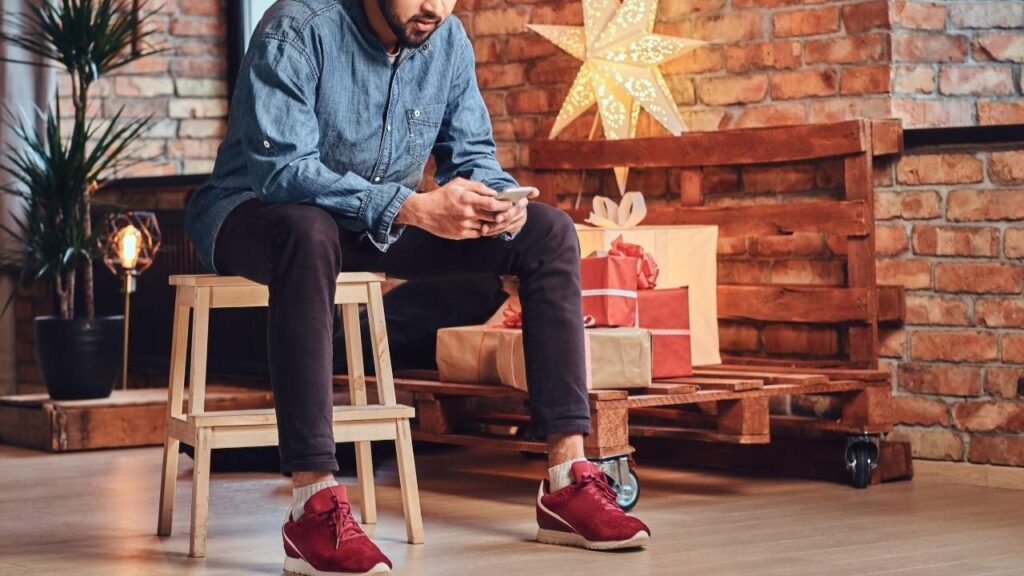
Common Mistakes That Ruin an Otherwise Great Look
Even within the world of comfortable menswear, certain habits undermine your style. The most frequent is wearing clothing that is excessively oversized. There is a meaningful difference between a relaxed fit and a garment that drowns your frame. Intentional drape looks confident; formless excess looks careless.
Neglecting grooming and accessories is another common trap. Comfortable clothing actually benefits more from a clean haircut, a simple watch, or a well-chosen crossbody bag because there is less “structure” in the outfit to compensate. These small details signal that your casual look is a deliberate choice, not a lazy default.
Finally, relying too heavily on one category limits your range. Wearing only athleisure everywhere, for example, creates a monotonous wardrobe. The strongest approach mixes elements from streetwear, smart casual, and performance wear, adapting to the setting while maintaining your personal style.
Sustainability and the Future of Comfortable Men’s Fashion
Today’s consumers, particularly Millennials and Gen Z, care deeply about how their clothing is made. According to IMARC Group, the sustainable fashion segment is projected to grow at a 9.1% compound annual growth rate, reaching $15.17 billion by 2030. Brands like Patagonia (with its NetPlus recycled fishing net fabric) and Outerknown are setting new standards for ethical production.
For the average consumer, this means looking for certifications like GOTS (Global Organic Textile Standard), OEKO-TEX, and Fair Trade when shopping. Choosing durable, timeless pieces over fast-fashion trends is also one of the most impactful sustainability decisions you can make. A well-made linen shirt worn 100 times has a dramatically smaller environmental footprint than five cheap alternatives worn 20 times each.
Real-World Outfit Formulas You Can Use Today
Theory is helpful, but practical combinations are what actually get you dressed in the morning. Below are four proven outfit templates that work across different settings and seasons.
Weekend Errands
A heavyweight cotton crewneck in oatmeal, paired with straight-leg dark wash jeans and white leather sneakers. Add a simple canvas tote and sunglasses. This look takes 30 seconds to assemble and reads as effortlessly put-together.
Casual Friday at Work
An unstructured navy blazer layered over a grey crew-neck tee, with tapered olive chinos and clean suede desert boots. The blazer adds just enough polish without veering into “trying too hard” territory.
Summer Social Gathering
A relaxed-fit linen camp-collar shirt in a muted stripe, paired with tailored shorts in a neutral khaki tone and woven leather sandals or minimal espadrilles. Roll the sleeves once for a finishing touch.
Travel Day Comfort
Tapered joggers in a technical stretch fabric, a merino wool zip-neck pullover, and cushioned running-style sneakers. Throw a packable puffer jacket in your carry-on for temperature changes. This outfit handles airports, trains, and city walking with equal ease.
Final Thoughts on Building a Wardrobe That Works for You
The modern approach to relaxed outfits for men is not about being careless with your appearance. It is about making smarter, more intentional choices that serve both your comfort and your personal style. When you invest in quality fabrics, pay attention to fit, and understand how different categories of casual menswear work together, getting dressed becomes one of the easiest parts of your day.
The data supports this shift. With casual wear commanding nearly half the global menswear market and athleisure growing at nearly 10% annually, the clothing industry itself is betting that comfort-driven style is the future. By starting with a few versatile basics, sticking to a cohesive color palette, and layering thoughtfully, you build a wardrobe that adapts to any situation without overthinking.
Start small, invest wisely, and let your clothing work for your lifestyle rather than against it.
What is the difference between relaxed fit and oversized fit in menswear?
A relaxed fit offers extra room in the chest, waist, and hips while maintaining a defined silhouette. Oversized fit intentionally uses exaggerated proportions for a fashion-forward statement. The key difference lies in shoulder placement: relaxed-fit garments keep shoulders aligned naturally, while oversized pieces deliberately drop them for a looser, more dramatic effect.
How can I look stylish in comfortable clothing without appearing sloppy?
Focus on three elements: fit, fabric quality, and grooming. Even a simple tee and joggers look polished when the fit flatters your body, the material has visible quality, and you pair them with clean sneakers and a fresh haircut. Adding one intentional accessory, such as a watch or a structured bag, also elevates the look significantly.
What are the best brands for affordable casual menswear?
Uniqlo, COS, H&M’s premium lines, Zara, and Target’s Goodfellow & Co offer strong value. For athleisure specifically, brands like Vuori, ASOS, and Amazon Essentials provide well-constructed basics at reasonable price points. Prioritize fabric composition over brand name when shopping on a budget.
Is athleisure appropriate for all occasions?
Athleisure works well for casual outings, travel, work-from-home settings, and informal social events. However, it is generally not appropriate for formal dinners, job interviews, weddings, or business meetings unless the dress code explicitly permits it. Smart casual pieces offer a better middle ground when you need to look more polished.
How many basic pieces do I need to start a casual wardrobe?
A solid starting point includes 3–4 quality tees in neutral colors, 2 pairs of well-fitting trousers or chinos, 1 pair of versatile joggers, a lightweight jacket, a knit sweater, and 2 pairs of shoes (clean sneakers and a leather or suede option). This core of roughly 10–12 pieces can generate dozens of outfit combinations.
What colors work best for a versatile men’s casual wardrobe?
Earth tones like olive, tan, and brown form a strong foundation. Pair these with neutrals such as navy, charcoal, off-white, and black. These shades mix effortlessly, allowing every piece in your closet to work with multiple combinations without clashing.